Planning the best time to travel to Ireland means balancing weather, crowds, and activities. Ireland’s climate is famously changeable – “think four seasons in a day” – so timing can greatly affect your trip. Summer (June–August) brings long, sunny days and warm weather, but also peak crowds and prices. Shoulder seasons like spring (March–May) and autumn (September–November) offer milder weather, vibrant landscapes and fewer tourists. Winter (December–February) is cold and wet, yet Christmas markets and off-season deals make it attractive for budget travelers. This seasonal guide will help you choose the best time to travel to Ireland for your interests.
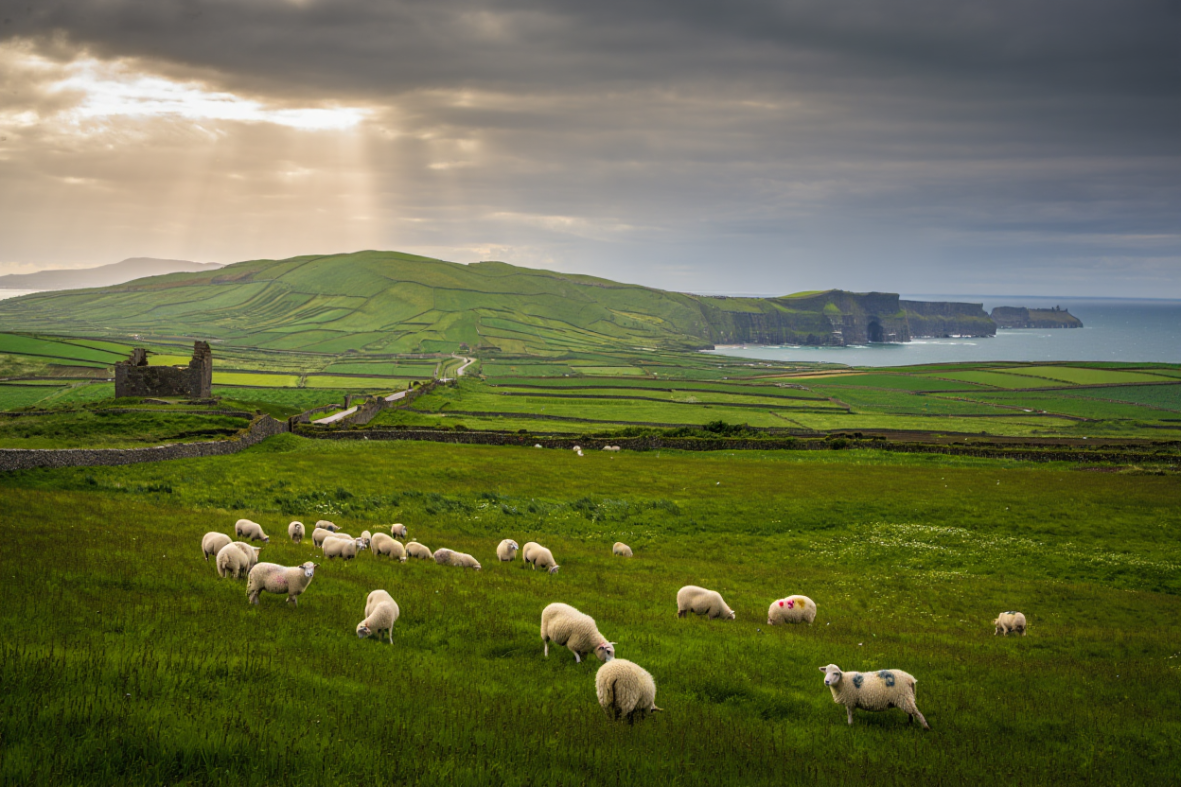
Scenic sunset at the Cliffs of Moher, County Clare, Ireland.
Why Timing Matters for Ireland Travel
Ireland’s weather varies by season. Summers are mild and relatively dry, with average highs around 66–68°F (19–20°C), while winters hover in the 40s–50s°F (4–9°C). Rain can fall in any season, so a waterproof jacket is a must. Timing also affects crowds and costs. Summer is peak season: expect busy attractions and higher prices. By contrast, the shoulder seasons (spring and fall) are praised as the best time to travel to Ireland for avoiding crowds and scoring deals. In fact, travel experts say the optimal months are May, June and September – when weather is still pleasant but many tourists are absent.
-
Summer (Jun–Aug): Warmest weather and long days, ideal for sightseeing and hiking. Cons: peak crowds and prices
-
Spring (Mar–May): Lush green landscapes, wildflowers and festivals (e.g. St. Patrick’s Day). Fewer tourists means quieter roads and sites. Cons: Unpredictable rain showers.
-
Fall (Sep–Nov): Gorgeous autumn foliage and harvest festivals. Shoulder season bargains on hotels and flights. Cons: Days shorten and weather cools by November
-
Winter (Dec–Feb): Off-season deals and festive markets in Dublin, Cork, Galway and Belfas. Cons: Cold, rain and limited daylight
The above pros and cons show there’s no one-size-fits-all answer – the best time to travel to Ireland depends on what you want (see FAQs below).
Spring in Ireland (March–May)
Spring brings mild weather, blooming wildflowers and local festivals. Tourist crowds are still low (except for St. Patrick’s Day in mid-March. Temperatures typically range from 50–60°F (10–16°C), and April–May are especially pleasant. This is a popular time for hiking and cycling, as green valleys and gardens burst into color. In fact, a travel guide notes that “many consider spring to be the best time to go to Ireland”. Major events include St. Patrick’s Day parades (March 17) and Easter festivals. Spring Tip: Pack layers and rain gear – showers come often but usually clear quickly
Highlights: Blossoming countryside (bluebells, gorse), lambing season on farms, St. Patrick’s Day festivities, long daylight by May.
Consider: Cool nights, some attractions may not yet be in full summer mode.
Summer in Ireland (June–August)
Summer is widely seen as the best time to travel to Ireland for weather. You get roughly 16–18 hours of daylight and daytime highs around 64–68°F (18–20°C). Clear skies and warm sun are ideal for sightseeing on the Wild Atlantic Way and coastlines. For example, June is “regarded as the best time to travel to Ireland by many” due to dry, warm weather and long days
Figure: Cliffs of Moher at sunset, County Clare (summer weather).
Peak summer also means every festival and attraction is in full swing. Outdoor activities – hiking in Killarney, kayaking in Connemara, or golfing by the coast – are most enjoyable now. (Indeed, golf courses report May–September as prime season.) However, be ready for crowds: popular sites like the Cliffs of Moher and Ring of Kerry will be busy. Accommodations and flights are at their priciest. If you must travel in summer, book well in advance and consider visiting known spots early or late in the day to beat the rush.
Highlights: Long, mostly dry days for hiking and road trips; seasonal festivals (see below); warmest weather.
Consider: July and August overlap with European school holidays – many Irish families travel locally too Prices peak in these months (December is actually higher due to holiday travel but summer is high).
Fall/Autumn in Ireland (September–November)
Autumn is often cited as one of the best times to visit Ireland after summer. September and October combine mild weather (highs ~55°F) with fewer tourists and lower costs. The landscapes turn golden as trees shed leaves, creating stunning scenery. Festivals continue: harvest fairs, food events and Halloween celebrations abound. Dublin’s Bankside Halloween Festival and the Dublin Fringe run in early fall, while Galway’s Oyster & Seafood Festival in late September draws food lovers
By November, crowds thin dramatically. As one guide notes, “November is the best time to travel to Ireland for a city break” – many towns (Galway, Cork, Dublin, Belfast) host Christmas markets. Hotel and flight prices drop significantly. However, daylight shrinks and it gets quite chilly by late fall. Tour schedules begin to wind down and some country attractions may have reduced hours.
Highlights: Autumn foliage in the Wicklow Mountains and Killarney; shoulder-season deals; cultural events (Galway Arts Festival in July [see Festivals section] and Oyster Festival in Sept).
Consider: By mid-November it’s cool (40s–50s°F) and wettest month, so pack layers.
Winter in Ireland (December–February)
Though winter is not traditionally “the best time to travel to Ireland” weather-wise, it has its own charms. Temperatures hover around 40–50°F, and rain (or even sleet) is common. Days are short, but the cozy atmosphere makes up for it. Major cities light up with holiday cheer: Dublin’s Theatre Festival (late Feb) and Cork’s Christmas markets (Dec) are highlights. And in clear winter nights, lucky visitors in Northern Ireland might glimpse the Northern Lights.
On the plus side, virtually no crowds means attractions feel empty and airfare/accommodations can be surprisingly affordable. The Dublin-Cork highway is quiet for driving. If you can handle the damp and early sunsets, you’ll enjoy famously warm Irish hospitality by a pub fire or wandering a snowy country road.
Highlights: Christmas markets in December; cozy pub sessions with trad music; off-season hotel rates; winter festivals (TradFest in Dublin, New Year’s celebrations).
Consider: Many rural sites (gardens, small museums) close or have limited hours. Plan city-based itineraries or guided tours. Dress very warmly for outdoors – gloves and wool hats are essential.
Activities & Interests: Best Times to Visit
-
Golf: Ireland is a golfer’s paradise year-round thanks to superb course drainage. However, May through September is prime time: milder weather, longer days, and perfectly manicured fairways. Late spring often has the driest conditions, and championship events (Irish Open, The Open at Royal Portrush) occur in summer.
-
Hiking & Walking: The trail season typically runs from April through September, when days are longer and green landscapes are vivid. June–August offer peak weather (though not always hot – rarely above 70°F). For wildflowers, late April–May is ideal. Even autumn (Sept) has crisp air and fewer midges, but be ready for early sunsets
-
Castle Tours: Ireland’s historic castles and stately homes can be visited any time, but spring through fall is bestShoulder seasons allow touring in relative peace: “visit in a quieter time… the shoulder season, just before or after summer” to avoid crowds. In winter, many are open but check closures – some close for Jan/Feb maintenance Remember castles often have beautiful grounds, which look their best with greenery or fall colors.
-
Road Trips: The Emerald Isle is made for scenic drives. Summer’s extended daylight is “perfect for a road trip” In fact, Ireland’s famous Wild Atlantic Way (2,500 km coastal route) highlights must-see sights like the Cliffs of Moher and Skellig Michae. Spring and early fall drives offer quieter roads with equally stunning scenery. Winter driving is doable but roads to remote regions (like the Aran Islands or Skellig Michael ferries) run mainly in summer
No matter your interest, plan around Ireland’s opening hours: many attractions reduce schedules after October Book tours and car rentals in summer well ahead.
Festivals and Events
Ireland’s social calendar is packed year-round. While summer sees the most events, each season has highlights:
-
St. Patrick’s Day (Mar 17): Nationwide parades and festivals (Dublin, Cork, Galway all celebrate)
-
Bloomsday (Jun 16, Dublin): Literary festival celebrating James Joyce’s Ulysses (readings, costume walk).
-
Galway International Arts Festival (late July): Large arts and music festival with global acts.
-
Electric Picnic (Aug, Laois): Major multi-day music festival in the Irish countryside.
-
Cork Jazz Festival (Oct): World-renowned jazz and arts festival (usually last weekend of October).
-
Oktoberfest & Tradfest (Oct): Traditional music festivals in Dublin and other cities, plus Galway Oyster & Seafood Festival in late Sept.
-
Christmas Markets (Dec): Dublin, Cork and Galway host festive markets from mid-November through December
You’ll find events (music, food, literature) throughout the year, so align your visit with any special interests. For example, folk music fans may enjoy TradFest (Jan) or Fleadh Cheoil competitions (July–Aug).
Weather, Budget & Travel Tips
-
Weather: Expect rain any time – two-thirds of days have <1mm and you may see showers morning or evening. Spring and fall are generally mild and green, summer is pleasantly warm, and winter is often damp. Always pack layers and a light raincoat. Check forecasts for coastal winds if you plan hikes; the west coast can be wetter than the east.
-
Budget Travel: For cheaper rates, visit off-peak. According to Skyscanner data, November is the cheapest month to fly to Ireland. Avoid July–August when hotels are costly (apart from winter holiday surges in December). Late fall and winter offer “rock-bottom prices” on lodging though daylight is shortest. Book at least 2–3 months ahead for summer; for winter trips, aim for late October deals.
-
Saving Tips: Consider staying outside city centers or smaller towns in shoulder season for the best value. Many B&Bs and guesthouses offer discounts in April–May and Sept–Oct. Use discount passes for museums and attractions if you plan multiple visits. Public transport (trains, buses) can be less frequent on weekends/off-season, so plan accordingly or rent a car.
Engagement & Social Sharing
We hope this guide helps you plan the best time to travel to Ireland for your trip. Bookmark this page and share it on social media to help fellow travelers! Have questions or your own tips? Leave a comment below – we love hearing how others enjoyed Ireland in different seasons.
Frequently Asked Questions
-
When is the best time to travel to Ireland overall? Most experts agree that spring (May–June) and early fall (September) combine good weather with fewer crowds. Summer has the sunniest weather, but also high prices and busy roads
-
What’s the cheapest time to visit Ireland? The cheapest months are winter shoulder season (November is statistically lowest airfare) or early spring. Accommodation and flights drop after October except for Christmas travel.
-
Is summer the best time to travel to Ireland? Summer (June–August) offers the warmest, driest weather and long days, making outdoor activities easy. However, it’s peak tourist season. If you don’t mind crowds (and high prices), summer is ideal for golf, road trips and festivals.
-
When is the best time to travel to Ireland for hiking? April through September is ideal for hiking, with June and July as the warmest months. Spring offers wildflowers and green trails, summer has long daylight, and early fall has crisp air and color.
-
What is the best time to travel to Ireland on a budget? Visit in the shoulder or off-season. Specifically, late autumn (Oct–Nov) and winter (Jan–Mar) offer lower hotel rates and cheaper flights. You’ll trade off daylight and warmth for savings.