
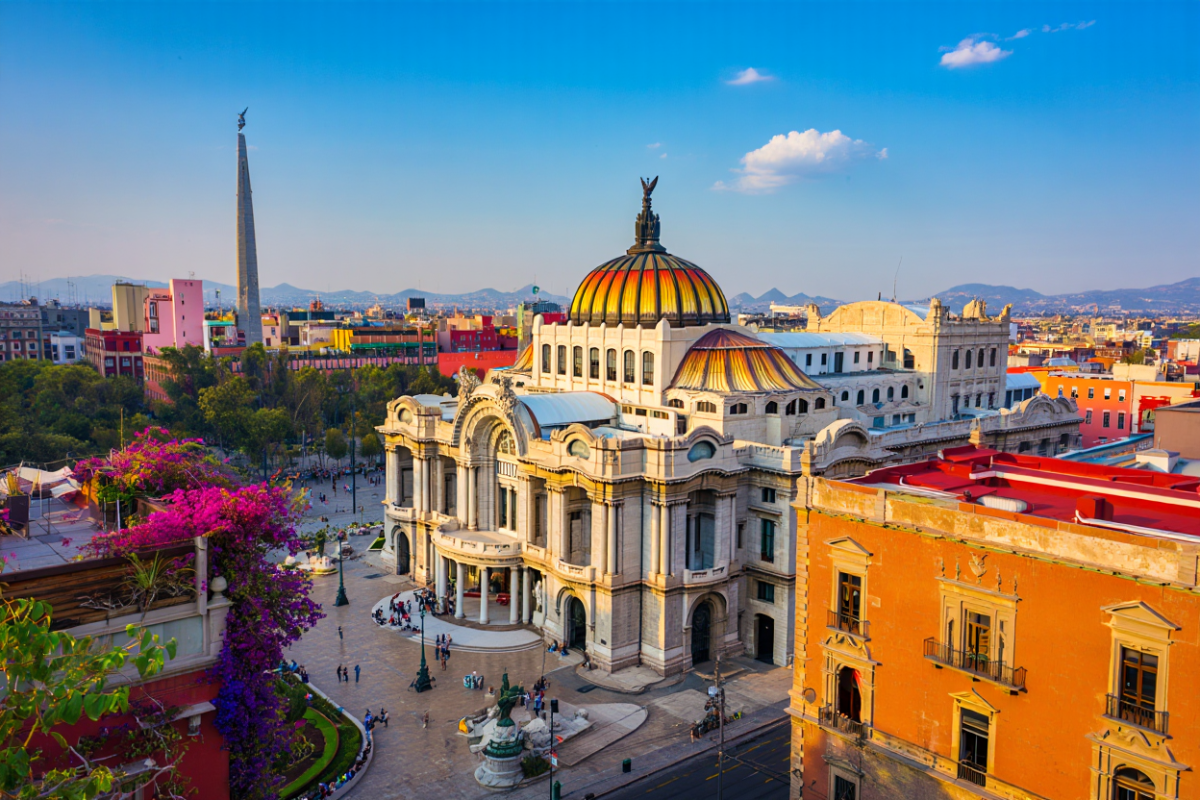
Mexico City’s climate is surprisingly mild year-round thanks to its high altitude. The key to planning a trip is knowing when is the best time to travel to Mexico City. This guide breaks down each season’s weather, major festivals, and travel tips. You’ll learn which months offer comfortable weather, affordable prices, or vibrant events. We’ll cover the dry vs. rainy seasons, festival highlights, budget considerations, museums & historic sites, nightlife, and answer common FAQs – all to help you choose the ideal time for your Mexico City adventure.
Mexico City Weather at a Glance
Mexico City sits on a high plateau (about 2,240 meters or 7,350 feet above sea level). This elevation moderates temperatures, making days pleasantly warm and nights cooler. The city has two main seasons: a dry season (roughly November through April) and a rainy season (May through September) In general:
-
Dry Season (Nov–Apr): Warm days with lots of sunshine and cool nights. This is widely considered the best time to travel to Mexico City for outdoor sightseeing. Morning and midday skies are usually clear. For example, average highs are around 72–75°F (22–24°C) from December through February, rising to about 77–81°F (25–27°C) by spring (March–May)
-
Rainy Season (May–Sep): Hot afternoons with frequent short-lived downpours. June through August are the hottest and wettest months. Rain usually falls in the afternoon or evening, so mornings can still be used for city tours. Despite the rains, temperatures only drop slightly (highs ~72–77°F, 22–25°C) compared to spring.
Mexico City’s Ayuntamiento (City Hall) at dawn, illustrating how the high elevation often yields clear morning weather
Below are typical monthly averages (source: Intrepid Travel
-
March–May (Spring): High ~81°F (27°C), low ~48°F (9°C). Warmest dry-season weather; jacarandas bloom in late April.
-
June–August (Summer): High ~77°F (25°C), low ~54°F (12°C). Daily rains start in June.
-
September–November (Autumn): High ~72°F (22°C), low ~46°F (8°C). Dry season returns in October; winds down with cool, clear weather.
-
December–February (Winter): High ~72°F (22°C), low ~43°F (6°C). Cool, sunny days. Nights can feel chilly (sometimes near freezing in cold snaps
In summary, the dry season (Nov–Apr) offers the nicest, driest weather – ideal for sightseeing and outdoor fun. The rainy season (Jun–Sep) brings afternoon storms and lush scenery, with generally fewer tourists and lower prices Each season has its pros and cons, which we explore below.
Seasonal Travel Guide
Spring (March–May): Warm and Festive
Spring in Mexico City is warm and increasingly dry. Temperatures climb into the high 70s–80s°F (25–28°C) by late April, with cool mornings and evenings. This is often cited as one of the best times to travel to Mexico City for weather. Mosquitoes are few, and the city’s parks and gardens (like Chapultepec) bloom. Spring humidity is relatively low, making walking the city comfortable
Key reasons to visit in spring:
-
Great Weather: Mostly sunny days and mild nights before the summer heat. Average highs ~80°F.
-
Festivals & Events:
-
Semana Santa (Holy Week) in late March/April brings processions and religious events. Many locals travel, so book early.
-
Festival de México (Feb–Mar): A major international arts festival with concerts and performances (note: dates vary yearly).
-
CondexPo Cultural Corridor (spring): Neighborhood pop-ups in Roma and Condesa showcasing local art and food
-
Cinco de Mayo (May 5): National holiday; Mexico City has moderate celebrations (the biggest parties are in Puebla)
-
-
Outdoors: Cherry blossoms and jacaranda trees (purple blooms) usually peak in late April in many neighborhoods.
-
Crowds & Price: Crowds increase over spring break, especially April. May starts to see more locals begin travel, but still fewer than summer peak. Early spring can be a good shoulder season (fewer tourists than November or late December), with decent hotel rates.
Tip: Plan city tours in the afternoon to enjoy warm daytime, and reserve mornings for breakfast walks. Stay hydrated – spring sun at altitude can be stronger than expected.
Summer (June–August): Warm, Rainy & Lush
Summer in Mexico City (really June–mid-Sept) means warmer weather and regular rains. Daytime temperatures average in the mid-70s°F (24–26°C), quite warm in direct sun. High humidity and afternoon thunderstorms become common by June Most rain falls July–August, but showers are usually brief (20–60 minutes) and the sky clears quickly.
Why consider summer travel:
-
Budget-Friendly: June–September is Mexico City’s off-season. As Travel+Leisure notes, “you can typically save by booking during the off-season when demand is lower” Hotels and flights often have deals, and some sources cite September as the absolute cheapest month to visit
-
Green City: Rain washes away dust, making parks and plazas very green and clean. The city’s famous tree-lined boulevards (Reforma, Chapultepec) look lush.
-
Fewer Tourists: Mornings are pleasantly warm, and many international tourists avoid summer, so popular attractions like the Anthropology Museum or Frida Kahlo Museum may feel less crowded outside peak hours.
-
Indoor Comforts: Air-conditioned malls and cafes provide respite. Summer is a great time to indulge in Mexico City’s world-class museums and dining.
-
Evening Activities: The rain often stops by nightfall, leaving warm (though sometimes misty) evenings for nightlife.
Things to note:
-
The rainiest month is July, though even then most rain falls late afternoon into evening. Plan outdoor plans for mornings.
-
National holidays in this period:
-
Independence Day (Grito de Dolores): Midnight of Sept 15–16, massive celebrations in Zócalo with fireworks(This technically enters September.)
-
Summer Festivals: There are occasional music and cultural festivals, but the rainy season has fewer large public festivals. (Museums and concert halls hold indoor events year-round.)
-
Tip: Pack a light rain jacket or umbrella. Schedule big outdoor excursions (like Teotihuacán pyramids) for early daytimes before storms. Even if afternoons get wet, clear mornings still make July–Aug a doable travel time if you seek deals.
Autumn (September–November): Cool and Festive
Autumn brings the tail-end of the rainy season and then back into dry, cooler weather. Early September can still be humid (with Independence Day fireworks on the 15th). By mid-October, rains have mostly stopped, and the city enjoys crisp, sunny days (average highs ~72°F, 22°C).
Highlights of autumn:
-
Independence Day (Sept 15–16): Mexico’s biggest patriotic holiday. The president re-enacts the “grito” on the National Palace balcony, fireworks erupt in the Zócalo, and people dance in the streets. The capital is alive with parades and national pride.
-
Day of the Dead (Día de los Muertos): The crown jewel of autumn. Celebrated Nov 1–2, this unique festival fills Mexico City with colorful altars, sugar skulls, and Catrina parades. The annual Mega Desfile de Día de Muertos (Day of the Dead Parade) through downtown features giant skeletal floats (as shown in the image below). This is a UNESCO-recognized cultural eventand a must-see experience.
Day of the Dead parade in Mexico City featuring giant c alavera (skull) floats and performers. The city’s vibrant Nov 1–2 celebrations are a major draw for travelers.
Beyond the parade, public altars and street parties happen all over the city. Museums and neighborhoods like Coyoacán light up with festivities. For many travelers, visiting in late October–early November means witnessing this beloved tradition. -
Comfortable Climate: By October and November, daytime highs are comfortable (low-70s°F) and nights cool. The air is often very clear, ideal for panoramic views from Chapultepec Castle or Torre Latinoamericana.
-
Shoulder-Season Travel: Early fall (Sept/Oct) is still shoulder season for tourism. You can often find deals before the winter holiday surge. November (pre-Thanksgiving) offers a festive vibe with Christmas lights starting but before mid-December crowds.
-
Nature & Parks: Autumn colors appear in Mexico City’s parks, making strolls in Chapultepec or Bosque de Tlalpan especially nice.
Tip: Book lodging well in advance for the Day of the Dead period – hotels often sell out around late October. If visiting in September, be prepared for one of the busiest nights (Sept 15) of the year. If you prefer quieter streets, late October (before the big parade) can be an excellent compromise with pleasant weather.
Winter (December–February): Dry and Cool
Winter is the second half of the dry season and generally one of the best times for clear skies and cool weather. Daytime temperatures are mild (around 70–72°F, 21–22°C), but nights can drop sharply (often into the 40s°F, ~5–9°C). Compared to northern climates, even a frosty night is far warmer, but layer up for pre-dawn outings.
Why winter can be a good time to visit:
-
Sunny Days: December through February tend to have minimal rain The sun is out and skies are blue, perfect for outdoor sightseeing in the high-altitude city.
-
Holiday Festivities: Mexico City celebrates Christmas and New Year with decorations, lights, and a festive atmosphere. The Zócalo often has a big Christmas tree and ice skating rink. Late December (after Dec 24) can be busy with locals, but early January quiets down.
-
Lower Prices in Jan: Immediately after New Year’s, the crowds thin. Many travelers note that January can be a great bargain time. As Travel+Leisure notes, “January is a great option for lower-cost travel” because people return home after the holidays
-
Cultural Events:
-
Epiphany (Jan 6): Mexico’s Three Kings Day – families share the Rosca de Reyes bread in the morning. (Not a tourist event per se, but part of cultural immersion.)
-
Art & Music: Some classical and contemporary performances happen in winter; keep an eye on venues like Palacio de Bellas Artes.
-
Winter considerations:
-
Chilly Evenings: Nights can get down to freezing or just above. Pack warm layers for evening strolls or early mornings.
-
Altitude Effects: Dry air and cold mornings can accentuate altitude effects (e.g. strong sun, dry nose). Wear sunscreen and stay hydrated.
-
Air Quality: Occasionally, winter mornings see smog or haze before winds clear it. Check air quality forecasts if sensitive.
Tip: If you can choose, late February and early March often have the best combination: still dry, warming into mid-70s°F, with nature coming alive after winter. But as a rule, any time from November to March is generally favorable weather-wise
Festivals and Cultural Events
Mexico City’s calendar is packed with cultural events year-round. Planning your visit around a festival can make your trip unforgettable. Here are some highlights:
-
Día de los Muertos (Day of the Dead, Nov 1–2): Perhaps Mexico’s most famous festival. Colorful parades, elaborate face-painting, and ornate altars fill the city Key dates: Nov 1 (children’s altars) and Nov 2 (adult altars). The Mega Desfile de Catrinas is a star attraction with giant paper-mâché skulls.
-
Independence Day (Sept 15–16): On the night of September 15, the president rings the Independence Bell and shouts “¡Viva México!” from the National Palace in the Zócalo. Fireworks and patriotic celebrations ensue through Sept 16. It’s one of the biggest events of the year in the capital.
-
Carnaval (Date varies, Feb–Mar): Mexico City has its own Mardi Gras, though more low-key than Veracruz or Mazatlán. Look for parades in neighborhoods and big parties just before Ash Wednesday.
-
Cinco de Mayo (May 5): Important in Mexican history, but surprisingly minor in Mexico City. Nearby city of Puebla throws the largest parades and reenactments. In CDMX you’ll see themed menus and small festivities in some bars, but it’s not a must-plan event for the city itself.
-
Corona Capital Music Festival (late Nov): A major international rock/pop music festival held at the Autódromo (race track) in early November each year. International headliners draw crowds.
-
MUTEK Mexico (Oct): A digital and electronic music festival each October.
-
Festival de México (March/April): An annual arts festival with concerts, theater, and dance by international and local artists.
-
Oktoberfest (Sept): Mexican-German cultural mixes; not as big as Munich’s, but some breweries and clubs celebrate.
-
Long weekends and Holy Week: Mexico has many multi-day holiday breaks. Semana Santa (Holy Week, March/April) sees many locals traveling. Sites can be crowded, and some businesses close on Good Friday/Easter.
Best Times for Festivals: Late October–November (Day of the Dead) and mid-September (Independence Day) are peak times to experience local culture. If you want to avoid crowds, note that these periods also see many domestic tourists. Conversely, visiting just after these events often means good weather and fewer people.
Budget Travel Tips
If you’re watching your wallet, timing can save you a lot. Generally, Mexico City is surprisingly affordable, but prices do fluctuate with seasons.
-
Cheapest Months: September is often cited as the cheapest month to travel, since it’s smack in the rainy/low season and between major holidays. Hotel rates and airfare drop sharply. Late May/early June can also be cheaper before summer peak.
-
Off-Season Savings: June–October (wet season) is low-season. You can often find flight and hotel deals. Even parts of January (mid-month) have bargains once holiday travelers depart Keep an eye on promotions around Black Friday (Nov) or travel sales.
-
Shoulder Seasons: Late April and early May see fewer tourists but still good weather. Similarly, late October (before Day of the Dead) can offer lower rates than winter holidays.
-
Avoid Peak Holidays: Christmas (late Dec) and Spring Break (Mar) are high demand. Prices spike then. If traveling in winter, aim for mid-Jan rather than Dec 20–31. If traveling in spring, avoid Holy Week.
-
Look for City Passes: If planning to visit many museums, consider a tourist pass or “paquete” deals. Some attractions offer free entry on certain days (e.g. many museums are free on Sundays in Mexico City).
-
Public Transit: Use the Metro and Metrobus to save money on cabs. A single Metro ride is only a few pesos. (Just be mindful of rush-hour crowds on the Metro.)
-
Food & Drink: Eating at local mercados or fondas (small eateries) is very affordable. Tipping is customary (~10–15%); don’t forget to include it as part of your budget.
Quick Money-Saving Tips:
-
Book flights 6–8 weeks ahead for the best deals, or use fare alerts.
-
Stay just outside the Historic Center (e.g. Roma or Condesa) for slightly lower hotel rates but still close to attractions.
-
Look for all-inclusive tours of major sites (like Teotihuacán or Coyoacán) that bundle transport and guide – often cheaper than DIY.
-
Travel overnight buses on long-distance trips (e.g. Puebla, Oaxaca) to save a night’s accommodation.
Museums, Historic Sites & Attractions
Mexico City’s history and culture are world-renowned. No matter the season, these attractions are must-sees (and many are indoors, so perfect during summer rains or winter chill):
-
Museo Nacional de Antropología (National Anthropology Museum): The largest and most visited museum in Mexico. Home to priceless Aztec and Maya artifacts (like the Aztec Calendar Stone). Plan 2–3 hours here.
-
Museo Frida Kahlo (Casa Azul) in Coyoacán: The famous blue house where artist Frida Kahlo lived. Tickets sell out fast; book online in advance.
-
Museo de Bellas Artes (Fine Arts Palace): Stunning art nouveau building in the historic center. Free entry to the main halls; catch a music recital in the concert hall if possible.
-
Templo Mayor and Zócalo: The downtown square (Zócalo) is flanked by the Cathedral and National Palace. The Templo Mayor ruins (old Aztec temple) museum is adjacent. Both the Cathedral and Templo Mayor offer insight into Mexico’s layered history.
-
Chapultepec Park: One of the world’s largest city parks. Includes Chapultepec Castle (with city views), Modern Art Museum, and more.
-
Teotihuacán Pyramids (nearby): About 50 km (1–1.5 hrs) northeast of CDMX, the ancient pyramids of the Sun and Moon are a UNESCO World Heritage site. They receive ~1.2 million visitors per year. Best visited early (or late afternoon) to beat the heat and crowds.
-
Xochimilco: For a unique experience, take a trajinera (colorful boat) ride through the canals. An end-of-summer or weekend activity.
-
Historic Neighborhoods: Walk through Coyoacán, San Ángel, Roma, Condesa, and Centro Histórico. Each has its own charm, markets, and architecture.
-
Other Museums: National History Museum (Chapultepec Castle), Templo Mayor Museum, Museo de Arte Moderno, Museo Soumaya (Polanco, free entry), and countless smaller galleries.
Mexico City’s museums attract millions. The National Museum of Anthropology is “the most popular museum among national and foreign tourists alike,” and Mexico City holds the country’s busiest historic sites and museums. Visited to as you like. Many museums have free or discounted days (for example, the Anthropology Museum has free Sundays).
Best Time to Visit Museums & Sites: Since indoor attractions are popular year-round, consider visiting them on rainy afternoons or evenings. When outdoors, go early or late in the day. Late spring and autumn (dry and mild) are ideal for exploring pyramids and plazas with less risk of rain.
Nightlife & Culture
Mexico City’s nightlife is legendary and vibrant in all seasons. Hotspots like Condesa, Roma Norte, and Polanco boast trendy bars, clubs, and jazz lounges. The Historic Center (Zócalo area) has traditional cantinas and casinos. In Zona Rosa, you’ll find LGBTQ+-friendly clubs and a youthful scene. Highlights:
-
Late-Night Bars and Clubs: Condesa & Roma – chill cocktail bars and hipster clubs. Polanco – upscale lounges. Juárez – wine bars and speakeasies.
-
Live Music: Catch Latin jazz or mariachi at Plaza Garibaldi. Look for Mexican folk dance performances at places like the Palacio de la Ballet Folklórico (performances Fri–Sat).
-
Food Culture: Mexico City’s food scene is a cultural experience. From street taco stands to high-end restaurants, there’s always something open late. Don’t miss the late-night food markets like Mercado Roma (Condesa) or 24-hour taco shops.
-
Safety Note: Stick to well-lit, busy streets at night. Using rideshare apps or yellow taxis from stands is safer than hailing cabs on the street.
Many travelers say there’s never a bad time for Mexico City’s nightlife, since bars and clubs typically open late and go into the early morning. If you like warm outdoor patios, spring/fall evenings are pleasant. If you prefer indoor venues, winter and rainy season work fine too. Just check schedules – some popular clubs may be quieter on weekdays or during long holiday periods when families stay home.
Culture and Local Life
Understanding local customs adds to the travel experience:
-
Language: Spanish is the official language. Learn a few basic phrases (greetings, ordering food) – locals appreciate the effort. Many people in tourism areas speak English, but not everywhere.
-
Courtesy: Mexicans are polite and family-oriented. Greetings often involve a handshake or light cheek kiss in social settings.
-
Tipping: Service staff expect 10–15% tips. If service is excellent, don’t hesitate to give a bit more.
-
Safety and Alerts: Mexico City is a large metro, so use normal big-city caution. Keep valuables discreet, especially on crowded buses/Metro. The city operates a tourist police force – ask them or Locatel (phone 55-5658-1111) for help if needed.
-
Water & Health: Don’t drink tap water. Stick to bottled or purified water to avoid stomach upset. High altitude can cause mild headaches or fatigue; go easy on yourself the first day or two.
-
Dress Code: Casual is standard. Layers are wise (day vs night temperature). In winter, a warm jacket is useful at night, even if daytime is short-sleeve weather. Always carry a small umbrella or light jacket in summer rains.
Frequently Asked Questions
Q: When is the best time to travel to Mexico City?
A: For most travelers, the dry season (November through April) is ideal. During these months, you’ll enjoy sunny days and little rain. Peak times are spring (Mar–May) for warm weather, and November (around Day of the Dead) for cultural events. However, if you want the lowest prices and fewer crowds, the summer rainy season (Jun–Sep) can be attractive. September is often the cheapest month to visit.
Q: What months have the best weather in Mexico City?
A: The most pleasant weather tends to be November–April (dry season). March through May see average highs in the upper 70s–80s°F (25–27°C). December to February are cooler (highs ~72°F/22°C, lows ~43°F/6°C) but very sunny. Avoid June–August if you dislike humidity and afternoon showers
Q: Is Mexico City cold in winter?
A: Daytime in winter is quite mild (around 70°F/21°C), but nights can be chilly (often near 5–10°C). It rarely snows, but mornings and evenings may feel cold. Pack a warm jacket and layers if traveling December–February.
Q: When is the rainy season in Mexico City?
A: Mexico City’s rainy season runs roughly from June through September, peaking in July. During these months, expect regular afternoon or evening rain (sometimes heavy). Mornings are often dry and sunny even in summer, so plan outdoor activities early in the day.
Q: Which months are the cheapest to visit Mexico City?
A: Travel costs drop significantly in the low season. September is frequently the cheapest month since it falls at the end of the rainy season with fewer tourists. Late April and early May are good shoulder-season options (nice weather, lower prices). Also, early January (after New Year’s) often has deals. In general, booking in the off-season (June–October) yields the lowest hotel and flight rates.
Q: What should I pack for a Mexico City trip?
A: Always pack layers and be prepared for variable weather. Essentials include: a rain jacket or umbrella (for summer showers), sunscreen and hat (sun is strong at altitude), and warm clothes for winter nights. Comfortable walking shoes are a must for city streets. For festivals like Día de los Muertos, consider a light scarf or shawl for evenings in fall.
Q: Are Mexico City’s museums and sites worth visiting in the off-season?
A: Absolutely. Many of Mexico City’s top attractions are indoors or weather-independent. For instance, the world-famous Anthropological Museum, Frida Kahlo Museum, and Palacio de Bellas Artes are great any time of year. Even in the rainy season, mornings are often clear for outdoor sites (and rainouts make museum breaks feel cozy).
Conclusion
Choosing the best time to travel to Mexico City depends on your priorities. If perfect weather for sightseeing is your goal, plan for the dry months (late fall through spring) For cultural events, try late October–November (Day of the Dead) or mid-September (Independence Day) If you need to save money, the summer low season offers budget-friendly deals despite afternoon rains.
No matter when you go, Mexico City offers something special in every season: lively festivals, world-class museums, rich history, and vibrant neighborhoods. Plan ahead, check the weather, and book accommodations early for peak times. With the tips above, you’ll be ready to choose the perfect time for your trip to Mexico City and make the most of its weather, culture, and attractions.