
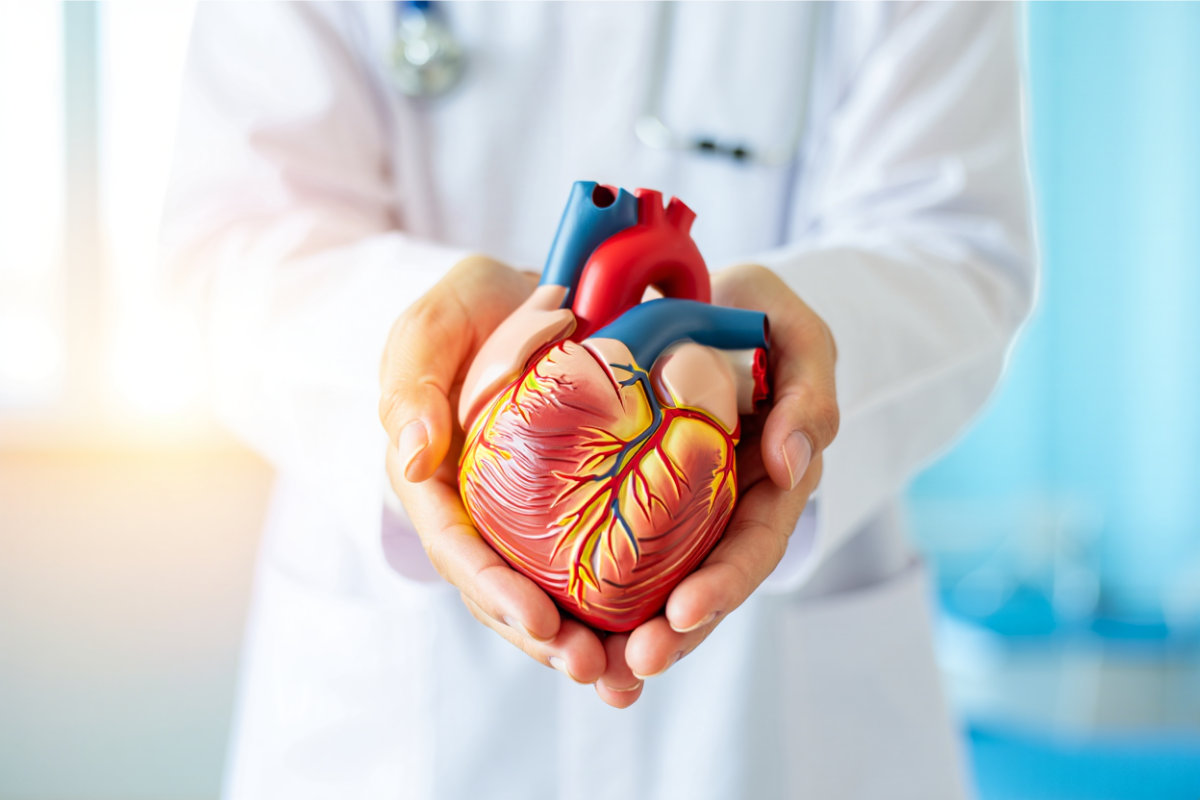
Congestive heart failure (CHF), commonly called heart failure, is a long-term condition where the heart’s muscle is weakened and can’t pump blood effectively As a result, blood and fluids can back up in the body, leading to swelling and organ congestion. CHF is a serious, progressive disorder affecting millions worldwide. In fact, over 64 million people are estimated to live with some form of heart failure today. It’s a leading cause of hospitalization in older adults understanding congestive heart failure symptoms and care tips is essential for managing this condition.
Illustration of congestive heart failure symptoms (shortness of breath, edema, fatigue, etc.). Heart failure arises when a weakened heart struggles to supply oxygen-rich blood to the body The primary causes include heart attacks (ischemic heart disease), chronic high blood pressure, heart valve disease, infections (myocarditis) and long-term alcohol or drug abuse. Other risk factors are obesity, diabetes, smoking, and a family history of cardiomyopathy. Many people have congestive heart failure causes related to underlying heart muscle damage or strain. For example, coronary artery disease (blocked arteries) is the most common cause Over time, these factors impair the heart’s pumping ability, triggering the symptoms of CHF.
Causes & Risk Factors of CHF
Congestive heart failure typically develops gradually from one or more heart conditions. Common causes of congestive heart failure include:
-
Ischemic heart disease: Damage from heart attacks limits blood flow.
-
High blood pressure: Chronically high pressure makes the heart overwork and eventually weaken
-
Valvular heart disease: Leaky or narrowed valves force the heart to pump harder.
-
Cardiomyopathy: Diseases of the heart muscle (from infections, toxins, or genetics) lead to pump failure
-
Arrhythmias: Fast or irregular heart rhythms (like AFib) reduce pumping efficiency.
-
Chronic lung disease: Strains the right side of the heart.
-
Uncontrolled diabetes or thyroid disorders: Metabolic conditions that stress the heart.
-
Lifestyle factors: Obesity, smoking, excessive alcohol use and sedentary habits can all contribute over time.
Each of these factors can damage the heart muscle or overload it. For example, years of uncontrolled high blood pressure can cause left-sided heart failure, while lung disease often leads to right-sided heart failure. In many cases, multiple risk factors combine. By addressing modifiable causes – such as controlling blood pressure, managing diabetes, and quitting smoking – you can reduce heart failure risk.
Common Symptoms of Congestive Heart Failure
CHF is often called a “silent killer” because early symptoms can be subtle. As the condition progresses, congestive heart failure symptoms typically appear. Key signs include:
-
Shortness of breath (dyspnea): Difficulty breathing during activity or at rest is very common.
-
Fatigue and weakness: Reduced blood flow causes poor exercise tolerance and constant tiredness
-
Fluid retention (edema): Swelling in the ankles, feet, legs or abdomen occurs when blood backs up in veins. You may notice weight gain from water retention.
-
Paroxysmal nocturnal dyspnea: Waking up at night gasping for air (due to fluid shifting into the lungs).
-
Orthopnea: Needing extra pillows to sleep comfortably, since lying flat worsens breathlessness.
-
Persistent cough or wheezing: Often with frothy or blood-tinged sputum if fluid pools in the lungs.
-
Rapid or irregular heartbeat (palpitations).
-
Chest pain (angina): Especially if heart failure is due to coronary artery disease
These signs and symptoms of heart failure come from either fluid build-up or poor cardiac output. For example, when the failing heart causes blood to back up into the liver or stomach, you might feel full quickly or lose appetite. Some patients experience nausea or abdominal discomfort from liver congestion. Often, symptoms worsen gradually. A key red flag is any increase in swelling or sudden weight gain of 2–3 pounds in a day – this may indicate extra fluid. If you have risk factors for heart disease, even mild signs (like fatigue or mild shortness of breath) should prompt a doctor visit. Early detection is important.
Stages and Classification of Heart Failure
Congestive heart failure is classified into stages that describe its progression. The American College of Cardiology/American Heart Association (ACC/AHA) defines four stages (A, B, C, D)
-
Stage A – High Risk: No symptoms yet but you have risk factors like hypertension, diabetes or a family history.
-
Stage B – Pre-Heart Failure: Structural heart disease is present (e.g. past heart attack, valvular disease) but no symptoms yet.
-
Stage C – Heart Failure: You have current or past symptoms of heart failure (like shortness of breath) and evidence of reduced heart function.
-
Stage D – Advanced HF: Refractory heart failure with severe symptoms at rest despite maximal medical therapy
Infographic: Chronic Heart Failure stages (ACC/AHA) and treatment guidelines. In practice, CHF is also grouped by ejection fraction (EF) – a measure of how much blood the left ventricle pumps out. HFrEF (reduced EF) means EF ≤40%, often due to weakened muscle after a heart attack. HFpEF (preserved EF) means EF ≥50% but with stiffness; common in older or diabetic patients. There is also a mid-range EF category (41–49%). Clinicians use both the ACC/AHA stages and the New York Heart Association (NYHA) functional classes (I–IV, based on symptoms during activity) to gauge severity
Even if you feel fine, stages A and B mean you need preventive care. At these stages, treatment focuses on managing blood pressure, cholesterol and other risks. In Stage C and D, when symptoms appear, more aggressive therapy is needed to improve function and quality of life.
Diagnosis and Tests
Diagnosing CHF involves a combination of patient history, physical exam and tests. Your doctor will listen for signs like an S3 gallop or lung crackles and check for fluid overload Common tests include:
-
Blood tests: Check BNP or NT-pro BNP levels (markers of heart strain) plus kidney and liver function
-
Chest X-ray: Looks for heart enlargement or fluid in the lungs.
-
Echocardiogram (echo): Ultrasound of the heart shows pumping function (EF) and valve problems
-
Electrocardiogram (ECG): Checks for prior heart attacks or arrhythmias.
-
Stress test or coronary angiography: To find blockages or ischemia if coronary artery disease is suspected.
-
Cardiac MRI or biopsy: Rarely used, for suspected myocarditis or infiltrative disease.
These tests not only confirm CHF but help rule out other causes of symptoms. They also guide treatment decisions (e.g. medications vs device therapy). Early diagnosis – even before symptoms – can occur in Stage A/B if an echocardiogram detects heart muscle damage.
Treatment and Management of Congestive Heart Failure
Managing CHF involves a multifaceted approach. The goals are to relieve symptoms, improve quality of life, reduce hospitalizations, and prolong survival. Treatment is tailored to the stage of heart failure and the underlying cause. Key aspects of congestive heart failure treatment include:
-
Lifestyle modifications: The foundation of care.
-
Medications: Proven drugs reduce fluid overload, ease heart workload, and improve outcomes.
-
Device therapies and procedures: For advanced cases, devices or surgery may be needed.
-
Patient education and self-care: Empowering patients is crucial for management.
Diet and Lifestyle (CHF Diet)
A heart-healthy diet is critical in CHF care. A congestive heart failure diet typically emphasizes:
-
Low sodium: Aim for <1500–2000 mg sodium per day. Reducing salt helps prevent fluid retention. For reference, a teaspoon of salt has ~2300 mg sodium. Read labels and avoid highly processed foods.
-
Fluid restrictions (if needed): Some patients on high-dose diuretics may need to limit fluids to 1.5–2 liters per day to prevent overload. Follow your doctor’s advice on this.
-
Heart-healthy foods: Focus on fruits, vegetables, whole grains, lean proteins (fish, poultry), and low-fat dairy. Such foods provide nutrients without excess salt or unhealthy fats
-
Moderate portions: Overeating can increase fluid and pressure. Use smaller plates, and avoid “supersized” servings.
-
Limit alcohol and caffeine: Both can aggravate heart failure or interfere with medications.
-
Weight management: If overweight, losing even 5–10% of body weight can improve symptoms.
-
No smoking: Smoking cessation is vital – tobacco damages blood vessels and worsens heart function.
Diet changes take time, so implement them gradually. Simple steps like reading nutrition labels, avoiding adding salt at the table, and using herbs for flavor can make a big impact. Weighing yourself daily and noting sudden gains helps catch fluid retention early. In short, think of your diet as medicine: it is a key part of your congestive heart failure management plan
Medications (CHF Medication)
Several classes of congestive heart failure medications are cornerstone therapies. They address different aspects of heart failure and often work best in combination. Important medications include:
-
Diuretics (water pills): Furosemide, bumetanide, torsemide, etc. These help remove excess fluid through urine, relieving swelling and congestion. Diuretics improve breathing and exercise capacity but do not directly increase lifespan They are mainly for symptom control (reducing edema, pulmonary congestion). Your doctor will adjust the dose to keep you off the toilet all day!
-
ACE Inhibitors (ACEi) or ARBs: Lisinopril, enalapril, losartan, valsartan, etc. These medications widen blood vessels, lowering blood pressure and reducing heart strain. They also help prevent harmful heart remodeling. Many studies show ACE inhibitors and ARBs reduce mortality and hospitalizations in HFrEF. If ACEi cause cough or angioedema, an ARB is used instead.
-
ARNI (Angiotensin Receptor-Neprilysin Inhibitor): Sacubitril/valsartan (Entresto). This newer drug combines an ARB with a neprilysin inhibitor. It has been shown to reduce deaths and admissions more than ACE inhibitors in HFrEF. It should not be taken within 36 hours of an ACEi.
-
Beta-Blockers: Carvedilol, metoprolol succinate, bisoprolol. These slow the heart rate and reduce blood pressure. Although they can initially make patients feel more tired, over weeks they improve heart function and significantly lower mortality in HFrEF They are given at low dose and slowly increased.
-
Mineralocorticoid Receptor Antagonists (MRAs): Spironolactone or eplerenone. These “aldosterone blockers” help get rid of water and reduce cardiac fibrosis. MRAs are indicated for Class II–IV HFrEF and have a survival benefit. Potassium levels must be monitored, as these can raise potassium.
-
SGLT2 Inhibitors: Dapagliflozin, empagliflozin. Originally diabetes drugs, these have been shown to improve outcomes in HFrEF (and even HFpEF) regardless of diabetes status. They work partly as mild diuretics and improve heart metabolism.
-
Hydralazine + Nitrate: A combination therapy (hydralazine and isosorbide dinitrate) is especially beneficial for African-American patients with advanced HFrEF. It can be added if patients remain symptomatic despite other meds.
-
Ivabradine: For HFrEF patients on max meds who still have a high resting heart rate (>70 bpm), ivabradine can reduce hospitalizations.
-
Digoxin: In older patients with atrial fibrillation or persistent symptoms, low-dose digoxin may help control heart rate and modestly improve function.
-
Anticoagulation: If atrial fibrillation is present or after a left ventricle thrombus, blood thinners are needed.
Combination therapy is common. For example, an HFrEF patient might be on an ACEi (or ARNI), a beta-blocker, a diuretic, and spironolactone. Each targets a different pathway in heart failure. StatPearls notes that improved survival has been documented with ACE inhibitors, ARBs, ARNIs, beta-blockers, MRAs, and hydralazine/nitrate.
Your doctor will tailor medications to your type of HF (reduced vs preserved EF) and tolerance. It’s crucial to take all heart failure meds as prescribed; skipping doses can lead to exacerbations. Monitoring blood pressure, kidney function and electrolytes will guide safe dosing. If you have trouble affording medications, ask your provider – patient assistance programs often exist.
Procedures and Devices
In some cases, advanced therapies are needed:
-
Cardiac Resynchronization Therapy (CRT): A biventricular pacemaker (CRT device) is used if you have HFrEF with a prolonged QRS interval. CRT can improve pumping efficiency and symptoms.
-
Implantable Cardioverter-Defibrillator (ICD): For patients with low EF (≤35%) and mild-to-moderate symptoms, an ICD may be placed to prevent sudden cardiac death. It detects dangerous rhythms and shocks the heart back to normal if needed.
-
Coronary Revascularization: If ischemia is the cause, procedures like angioplasty or bypass surgery to open blocked arteries can improve heart function.
-
Valve repair/replacement: If a faulty valve is worsening heart failure, surgical or transcatheter repair can help.
-
Ventricular Assist Devices (VAD): In end-stage HF (Stage D), a mechanical pump can be implanted to support the heart (often as a “bridge to transplant” or as destination therapy)
-
Heart Transplant: For eligible patients with severe, refractory HF, a transplant may be the best option.
These interventions are typically guided by specialized cardiology teams. As one Ascension clinic notes, advanced care might involve ventricular assist devices, heart transplants, or extracorporeal membrane oxygenation (ECMO) for critical cases
Congestive Heart Failure Nursing Care
Nurses play a central role in CHF management at all stages. Nursing care for congestive heart failure involves continuous assessment, patient education and support. A nursing care plan often includes
-
Relieving fluid overload: Monitoring intake/output and adjusting diuretics. They teach fluid restrictions when needed.
-
Alleviating anxiety and fatigue: Offering rest periods and reassurance; anxiety is common in breathing difficulty.
-
Promoting activity and rehabilitation: Guiding patients through safe exercise plans (often in a cardiac rehab program).
-
Encouraging medication adherence: Reviewing the medication schedule, explaining purpose and side effects.
-
Managing side effects: Monitoring for electrolyte imbalances or low blood pressure caused by meds, and communicating findings to the medical team.
-
Dietary teaching: Reinforcing low-sodium diet instructions and reading labels.
-
Weight monitoring: Teaching patients to weigh themselves daily and report sudden weight gain (a key sign of fluid buildup)
-
Symptom monitoring: Educating on what warning signs to watch for (e.g. increased shortness of breath, swelling, chest pain).
Nurses also coordinate care among the healthcare team and help patients transition home. For example, many hospitals have a “heart failure clinic” or pharmacist-led program to review meds and diet post-discharge. Education is crucial: studies show that self-care and regular follow-up reduce readmissions
Care at home: Patients should keep appointments, track blood pressure and weight, and maintain a heart-healthy lifestyle. Nurses encourage vaccination (flu and pneumonia vaccines) because infections can stress a failing heart. They may also arrange for home health services if needed (for IV diuretics or monitoring).
In short, nursing care helps bridge the gap between complex medical therapy and day-to-day living. A coordinated interprofessional team – including doctors, nurses, dietitians, pharmacists and therapists – can significantly improve outcomes
Prognosis and Outlook
With modern therapies, many people with CHF live well for years. Prognosis depends on the underlying cause and how advanced the heart failure is. Early-stage (A/B) CHF has a much better outlook than advanced (C/D). Effective treatment can stabilize or even improve heart function over time. However, CHF is generally a chronic condition requiring lifelong management. Untreated, it can lead to complications like kidney dysfunction, liver congestion or fatal arrhythmias. Open communication with your doctor and sticking to the care plan are essential for the best quality of life.
When to Seek Help
Be vigilant for warning signs of worsening CHF. Call your doctor or go to the ER if you experience:
-
Rapid weight gain (e.g. >2 pounds overnight)
-
Increased swelling or sudden swelling in new areas
-
Worsening shortness of breath at rest or with minimal exertion
-
Chest pain, especially with sweating or nausea
-
Confusion, dizziness or fainting spells
-
Persistent cough with pink frothy sputum
Early intervention can prevent emergencies. For example, adjusting diuretic dose at the first sign of fluid buildup can often avoid a hospital admission.
Frequently Asked Questions (FAQs)
Q: What are the early symptoms of congestive heart failure?
A: Early symptoms may be subtle, like mild fatigue or occasional breathlessness during exertion. As heart function declines, common CHF symptoms include persistent shortness of breath (especially when lying down), chronic fatigue, swollen ankles or legs (edema), and unexplained weight gain from fluid retention. If you notice these signs, especially with heart disease risk factors, seek medical evaluation.
Q: What causes congestive heart failure?
A: CHF is usually caused by conditions that damage or strain the heart. The most common cause is coronary artery disease (heart attacks) Other causes include longstanding high blood pressure, faulty heart valves, cardiomyopathy, myocarditis (inflammation), or arrhythmias. Lifestyle factors (smoking, obesity, alcohol) also contribute by worsening heart health. Identifying and treating the underlying cause is part of the management plan.
Q: How is CHF classified into stages?
A: The ACC/AHA defines four stages of heart failure. Stage A means you’re at high risk (no symptoms yet). Stage B means you have structural heart disease but no symptoms. Stage C means you have had symptoms of heart failure. Stage D means advanced disease with symptoms at rest. Additionally, doctors use the NYHA class (I–IV) based on how symptoms limit activity.
Q: What are common treatment options for congestive heart failure?
A: Treatment is tailored to disease stage and cause. Essential measures include lifestyle changes (low-sodium diet, fluid management, exercise), medications (diuretics, ACE inhibitors/ARBs, beta-blockers, etc.), and devices or surgery for severe cases. For example, someone with reduced EF may get an ACE inhibitor + beta-blocker + spironolactone + SGLT2 inhibitor + diuretic. Advanced cases might need a pacemaker (CRT) or defibrillator. The goal is to relieve symptoms, improve heart function, and reduce hospital admissions.
Q: What should a congestive heart failure diet include?
A: A CHF diet focuses on reducing fluid retention and supporting heart health. Key tips are: limit sodium (aim <1.5–2 g/day), follow fluid restrictions if advised, eat fresh fruits/vegetables and lean proteins, and avoid processed foods high in salt or sugar. Portion control and healthy cooking methods (baking, grilling) help. Your doctor or dietitian may give personalized guidelines.
Q: How can congestive heart failure be managed at home?
A: Self-care is crucial. Patients should take all medications as prescribed, weigh themselves daily, track symptoms, and stick to diet/exercise plans. Keeping a log of weight and blood pressure helps catch changes early. Home monitoring (like a connected scale) and telehealth check-ins can support management. Regular clinic visits for lab tests and physical exams are also important. Caregivers can help ensure medication compliance and recognize warning signs.
Q: What does nursing care for CHF patients involve?
A: Nurses provide education, coordinate care, and perform monitoring. They teach patients about diet restrictions and fluid management, observe signs of fluid overload (weigh daily, check edema), and ensure medications are taken correctly. Nurses also assess vital signs, oxygen levels, and teach breathing exercises. They act as a bridge to other specialists (cardiologists, dietitians, therapists) to deliver comprehensive care
Q: Can congestive heart failure be cured?
A: There is no cure for chronic CHF, but it can be managed very effectively. With treatment, many people lead full lives. For some reversible causes (like uncontrolled hypertension or heart valve disease), treating the cause can improve heart function significantly. However, most people will need lifelong therapy to keep heart failure under control.
Q: What are the complications of heart failure?
A: If uncontrolled, CHF can lead to serious issues like kidney dysfunction, liver congestion, malnutrition, or life-threatening arrhythmias. It also raises the risk of sudden cardiac death. Preventing fluid overload and sticking to treatment helps avoid these problems.
Q: When should I see a doctor about heart failure?
A: If you have risk factors (heart disease, high blood pressure, diabetes) and you develop symptoms (even mild), see a doctor. Also, if you have CHF and notice any new or worsening symptoms (more fatigue, increased swelling, trouble breathing), seek prompt care. Early adjustments in treatment can prevent hospitalizations.
Even though congestive heart failure is a chronic condition, modern treatments and management strategies can dramatically improve outcomes. Following medical advice, staying active within limits, and engaging your care team are the best ways to ensure a good quality of life. If you found this information helpful, consider sharing it so others can learn about CHF prevention and care.