
Diabetes is a common chronic disease – roughly 1 in 9 adults worldwide has diabetes – and many people don’t realize the condition until serious problems arise. Early diabetes symptoms can be subtle. Catching them in time is crucial because prompt treatment can prevent complications. In this guide, we explain the most important diabetes symptoms (in men, women, children and adults), why early detection matters, and what to do if you notice warning signs.
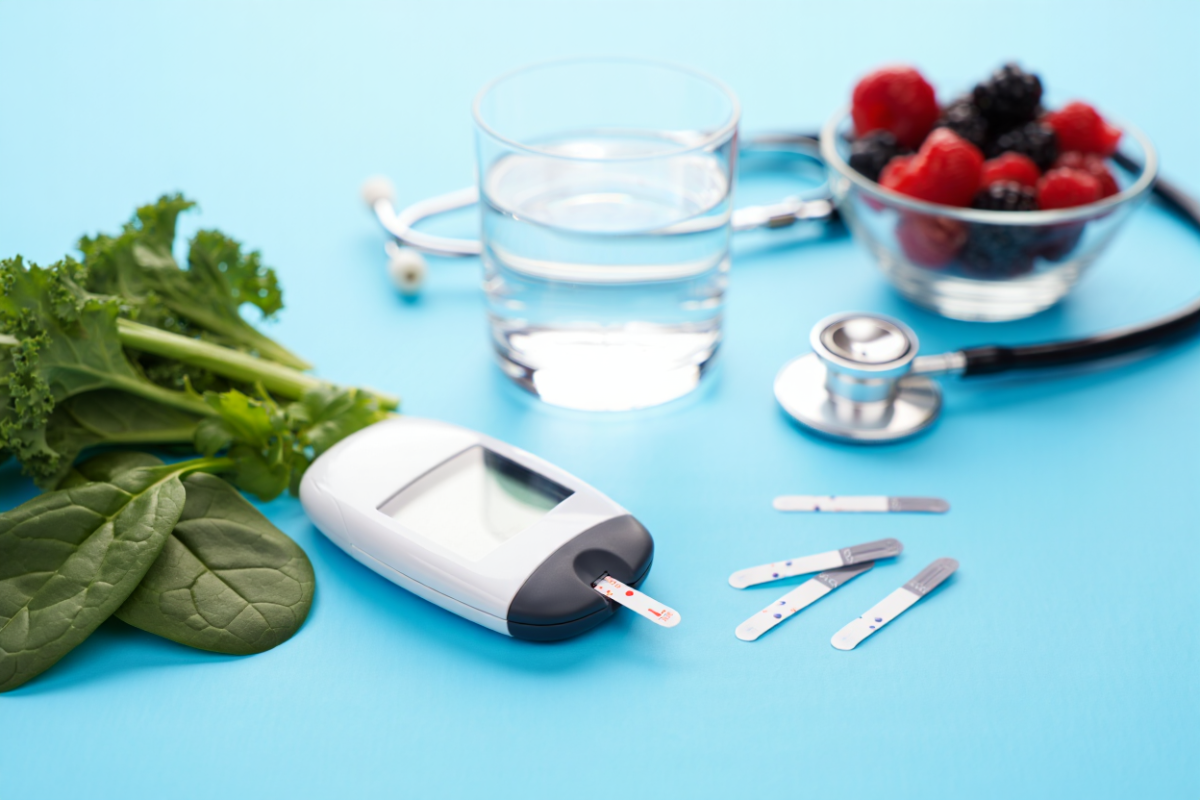
Image: A glucose meter displays a blood sugar reading of 100 mg/dL after a finger-prick test, highlighting the importance of monitoring blood sugar to detect early diabetes symptoms.
Recognizing these symptoms early can be life-saving. According to health experts, classic symptoms include frequent urination, excessive thirst, sudden weight loss, extreme hunger, fatigue, blurred vision, and slow-healing cuts or infections. For example, the CDC lists frequent urination, intense thirst, unexplained weight loss, severe hunger, constant fatigue, blurred vision, numbness or tingling in the hands/feet, dry skin, and persistent infections as key diabetes symptoms. The American Diabetes Association similarly cites fatigue, excessive thirst, and slow-healing wounds among common warning signs.
Why Early Detection of Diabetes Symptoms Matters
Diabetes often goes undiagnosed until symptoms are advanced. Worldwide, an estimated 590 million people have diabetes (about 1 in 9 adults), and many don’t know it. In the U.S., about 38.4 million Americans (roughly 1 in 10) have diabetes. Because type 2 diabetes can develop gradually, people might live for years with high blood sugar and no obvious signs. Untreated high blood sugar damages organs and nerves over time, leading to heart disease, kidney failure, nerve damage and other serious complications.
Early detection empowers you to take action. Getting tested as soon as you notice warning signs or have risk factors (such as obesity or a family history) can lead to earlier treatment. Studies show early management of diabetes significantly lowers the risk of complications. In short, knowing the symptoms of diabetes can alert you to the disease before irreversible damage occurs. Don’t ignore persistent signs like frequent thirst or fatigue – they could be your body’s red flags.
Common Diabetes Symptoms to Watch For
Keep a close eye on your body for these common warning signs. The more of these symptoms you experience, the higher the chance that your blood sugar is elevated:
-
Frequent urination (polyuria): Needing to pee often (including waking up at night to urinate) is a classic diabetes symptom. High blood sugar makes your kidneys flush out extra sugar by producing more urine.
-
Excessive thirst (polydipsia): Along with urination, intense thirst is common. If you feel unusually thirsty and are drinking far more water than normal, it may be diabetes-related.
-
Extreme hunger (polyphagia): Despite eating normally, you feel ravenous. Insulin issues mean cells aren’t getting glucose, so your body signals for more food.
-
Unexplained weight loss: Losing weight without trying (especially with no diet/exercise change) is often an early diabetes symptom, particularly in type 1 diabetes
-
Persistent fatigue: Feeling very tired or weak even after rest can occur when your body can’t use glucose properly.
-
Blurred vision: High blood sugar can swell the lens of the eye, causing vision changes or blurriness.
-
Numbness or tingling in hands/feet: High glucose over time damages nerves, leading to sensations of tingling, numbness, or pain in the limbs Dry or itchy skin: Unusually dry skin or yeast infections (especially in women) can be a clue that blood sugar is high
-
Slow-healing wounds and frequent infections: Cuts, bruises or infections (skin, gums, bladder, etc.) that take a long time to heal may indicate diabetes
These symptoms are widely recognized by health organizations. For example, the CDC and ADA stress that any combination of these signs – especially sudden weight loss or extreme thirst – warrants a blood sugar test. Early detection of diabetes symptoms can help you take steps (like diet changes or medications) to protect your health.
Early Warning Signs and Subtle Symptoms
Some early diabetes symptoms are very subtle or easily mistaken for other conditions. In type 2 diabetes, symptoms often develop slowly over many years, so people may attribute them to aging or stress. Mild fatigue, minor nerve pain (tingling), or slight vision changes can go unnoticed until diabetes is advanced.
-
Prediabetes: Before full diabetes, you may have prediabetes (blood sugar is high but not yet in the diabetic range). Prediabetes usually has no clear symptoms, which is why routine screening is important. The CDC reports about 38% of U.S. adults have prediabetes. If you have risk factors (family history, overweight, etc.) and feel even mild symptoms like tiredness or minor infections, ask a doctor about an A1C blood test.
-
Subtle infections: Sometimes frequent yeast infections (in women) or gum infections can be an early clue to check sugar levels
-
Mood changes: Very high or fluctuating blood sugar can cause mood swings or irritability.
-
Skin changes: Acanthosis nigricans (dark patches on neck/underarms) can be associated with insulin resistance.
If you suspect even these subtle signs, monitoring your diet, exercise, and checking blood sugar (if possible) is wise. Even mild diabetes symptoms in adults should prompt a check-up, because catching them early can prevent more serious problems down the road.
Type 1 vs. Type 2 Diabetes Symptoms
The underlying type of diabetes affects how symptoms appear.
Type 1 Diabetes Symptoms
Type 1 diabetes often strikes quickly, usually in children, teens or young adults. Because the pancreas produces little or no insulin, symptoms can become severe over weeks or months. Along with the classic signs above, type 1 can cause:
-
Rapid onset: Symptoms progress quickly, sometimes leading to a diabetic ketoacidosis (DKA) state if untreated. Common DKA symptoms include nausea, vomiting, abdominal pain, confusion and even loss of consciousness.
-
Unexplained weight loss: Even more pronounced than in type 2, as the body breaks down muscle/fat for energy when cells can’t use glucose.
-
Irritability or behavioral changes: Especially in children, unexplained moodiness or school performance drop can appear.
Because type 1 symptoms often come on fast, it’s critical to test blood sugar immediately if your child or you develop intense thirst, frequent urination, vomiting, or confusion. Early treatment with insulin can quickly reverse these symptoms and stabilize blood sugar.
Type 2 Diabetes Symptoms
Type 2 diabetes typically develops over years and is most common in adults, though rates in children are rising. Many people with type 2 have no obvious symptoms at first. When symptoms do appear, they tend to be more subtle: mild fatigue, occasional blurred vision, or recurring infections. Key points:
-
Gradual onset: Because the body still makes some insulin, early signs can be mild and easily ignored. As a result, many type 2 cases are diagnosed late.
-
Risk factors: Type 2 diabetes is closely linked to obesity, inactivity and family history. The IDF notes that over 90% of people with diabetes have type 2. If you are overweight or have high blood pressure or cholesterol, pay extra attention to even slight diabetes symptoms.
-
Increasing in youth: Alarmingly, more teenagers and children are being diagnosed with type 2 diabetes in recent years. This means young people are no longer immune to these symptoms.
In summary, type 1 diabetes symptoms tend to be acute and severe (often including stomach upset and rapid weight loss), while type 2 symptoms creep in slowly and can even be asymptomatic. Both types share the classic symptoms listed above, so any warning sign should trigger a medical check.
Diabetes Symptoms in Different Groups
Certain symptoms can present differently depending on age or gender. Be aware of these group-specific clues:
Women – Unique Symptoms and Risks
Women with high blood sugar often experience reproductive and urinary tract symptoms. For example, excess glucose in the urine feeds yeast and bacteria, so women with diabetes have a higher risk of vaginal yeast infections and urinary tract infections (UTIs) If you suffer recurrent yeast infections or UTIs for no other reason, consider diabetes screening. Diabetes can also impact women’s sexual health – it may cause vaginal dryness, reduced libido or difficulty with arousal. Hormonal changes (like pregnancy or menopause) can further complicate symptoms. Women with diabetes are also at higher risk of complications like heart disease and kidney problems, so catching symptoms early is especially important.
Men – Unique Symptoms and Risks
In men, diabetes often affects sexual and urinary health. One of the most common diabetes symptoms in men is erectile dysfunction (ED). Studies show men with diabetes are three times more likely to have ED than men without diabetes If you’re a middle-aged man experiencing frequent difficulty with erections, get your blood sugar checked. Additionally, high blood sugar can damage nerves controlling bladder function. Men with diabetes may notice urinary issues like an overactive bladder (needing to urinate often, especially at night), incontinence, or UTIs. These symptoms are not “normal” parts of aging – they can be early signs of diabetes affecting the nervous system. Men also tend to store fat around the abdomen, which raises type 2 diabetes risk.
Children – Recognizing Diabetes in the Young
Although type 1 diabetes is more common in kids, type 2 can occur too. Pediatric symptoms often appear suddenly. Doctors use the “4 Ts” to remember early type 1 diabetes symptoms in children:
-
Toilet (Urinate a lot): Frequent urination or new bedwetting in a child who was dry at night.
-
Thirst: Constant thirst and increased drinking.
-
Tired: Unusual fatigue and lack of energy (not wanting to play or exercise).
-
Thinner: Rapid weight loss or looking thinner despite a good appetite.
These symptoms can develop within days or weeks. If a child shows any of the 4 Ts, especially together, seek medical care immediately. Ignoring them can lead to diabetic ketoacidosis, a life-threatening emergency. Note that symptoms in children are essentially the same as in adults, just often more dramatic.
Adults – When to Be Alert
For adults, especially those over 40, any persistent signs listed above should trigger concern. Because many adults assume occasional fatigue or vision changes are just stress or aging, diabetes can be missed. Remember: Type 2 diabetes accounts for over 90% of adult cases. Adults should watch for polyuria, recurring infections, blurred vision, or cuts that heal slowly. Middle-aged or older adults noticing these symptoms – even if mild – should get checked. For example, CDC data shows that diabetes prevalence climbs with age: nearly 30% of Americans over 65 have diabetes Don’t dismiss symptoms as “just getting older.”
When to See a Doctor and Next Steps
If you notice any warning signs – especially multiple symptoms at once – it’s time to talk to a healthcare provider. Here are steps to take if you suspect diabetes:
-
Track your symptoms. Note exactly what symptoms you’re having (thirst, urination frequency, fatigue, etc.), how long they’ve been occurring, and whether they are getting worse.
-
Check your blood sugar if possible. If you have access to a home glucose meter, measure your blood sugar (fasting and after meals). Write down the results.
-
Schedule a medical appointment. Tell your doctor about your symptoms and test results. Be honest about lifestyle factors (diet, weight changes, family history). Don’t wait – early testing could involve a simple finger-prick or blood test (like fasting glucose or A1C).
-
Ask for blood tests. The most common test is an A1C blood test (a measure of average blood sugar over 3 months). A fasting plasma glucose test is also common. These will confirm if you have diabetes or prediabetes.
-
Follow your doctor’s advice. If you are diagnosed with diabetes or prediabetes, work with your doctor on a management plan. This might include diet changes, exercise, medication or insulin. Early treatment can reverse or slow symptoms.
Call to Action: Don’t delay testing if you have symptoms. If left untreated, diabetes can lead to permanent damage (e.g. nerve loss, vision problems, kidney disease). Share your symptoms and results openly with your healthcare team.
Engaging with Others
Many people deal with diabetes. Sharing your experience and concerns helps everyone learn. If you found this article helpful, share it on social media or with friends/family who might be at risk. Leave a comment below if you have questions or tips — your engagement can help others spot symptoms early!
Frequently Asked Questions
-
Q: What are the earliest symptoms of diabetes?
A: Early on, diabetes symptoms can be very mild or subtle. Common early signs include increased thirst, frequent urination, fatigue, and minor weight loss. Children often show the 4 Ts: Toilet, Thirsty, Tired, and Thinner. In type 2, symptoms may develop so gradually that many people have no noticeable signs for years. Always watch for clusters of symptoms and consider screening if you’re at risk. -
Q: How do symptoms differ between Type 1 and Type 2 diabetes?
A: Type 1 symptoms usually appear suddenly and are more severe. They include the classic signs plus symptoms like nausea, vomiting, and stomach pain because of ketoacidosis risk. Type 2 symptoms develop gradually. Many with type 2 have none at first and only later experience tiredness, infections or vision issues. Type 1 often affects children/young adults, while type 2 usually affects older adults (but more youth now). -
Q: Are symptoms different in men vs women?
A: The core symptoms (thirst, urination, etc.) are the same, but there are some differences. Women with diabetes often experience recurring yeast infections or UTIs due to excess sugar in the urine. Men with diabetes frequently report erectile dysfunction – diabetes causes nerve and blood vessel damage leading to ED. Men may also notice urinary problems (overactive bladder). In both genders, heart disease risk is higher, but sex-specific symptoms can help alert you to get tested. -
Q: What should I do if I have these symptoms?
A: If you notice any combination of the symptoms listed, see your doctor for blood sugar testing. Early treatment (like changes in diet, exercise, or medication) can greatly improve outcomes. Keep track of your symptoms and test results to share with your doctor. Managing symptoms early can prevent complications such as neuropathy or vision loss. -
Q: Can stress or dehydration mimic diabetes symptoms?
A: Stress or dehydration can cause temporary thirst or tiredness, but persistent high blood sugar symptoms (especially weight loss, frequent urination, and constant hunger) are more likely to be diabetes. If symptoms last for more than a few days or are severe, it’s wise to get tested rather than assume it’s just stress. It’s better to be safe and confirm with a blood test. -
Q: How often should I screen for diabetes if I’m at risk?
A: Adults over 45 or anyone with risk factors (obesity, family history, high blood pressure) should consider diabetes screening every 1–3 years, even without symptoms. If you notice any signs from this article, ask for an immediate test. Annual physicals often include a glucose check anyway; make sure to discuss your concerns with your doctor.
Conclusion
Recognizing diabetes symptoms early can be life-changing. By knowing the warning signs – from frequent thirst and urination to fatigue and unexplained weight loss – you empower yourself to take action. Remember that symptoms can vary: Type 1 diabetes strikes quickly, whereas Type 2 often creeps up gradually. Men and women may notice different issues (like ED or yeast infections), and children often show the dramatic 4 Ts. If you or a loved one has any of these signs, don’t ignore them. Schedule a doctor’s appointment and get screened.
Take charge of your health today. Share this information with friends and family and encourage open discussion. Early awareness and lifestyle changes can make all the difference in staying healthy. 👍🏼 Share this article to help spread awareness, and leave a comment below if you have questions or personal tips. Together we can beat diabetes by catching it early!