Hair Botox is a deep-conditioning hair treatment (despite its name) that uses potent serums and proteins to restore damaged hair. Unlike medical Botox, it contains no botulinum toxin. Instead, hair Botox fills in cracks in the hair cuticle with collagen, keratin, amino acids and natural oils. This process coats and plumps each strand, reducing frizz and making hair look smoother and shinier. It’s become hugely popular – in fact, the global hair Botox market was estimated at $314.2 million in 2022 and growing at 8% annually. That growth is driven by rising demand from women and men who want to repair their hair without harsh chemicals. In this article, we’ll cover everything you need to know about hair Botox: how it works, key benefits, cost, side effects, and more, with insights from experts and studies.
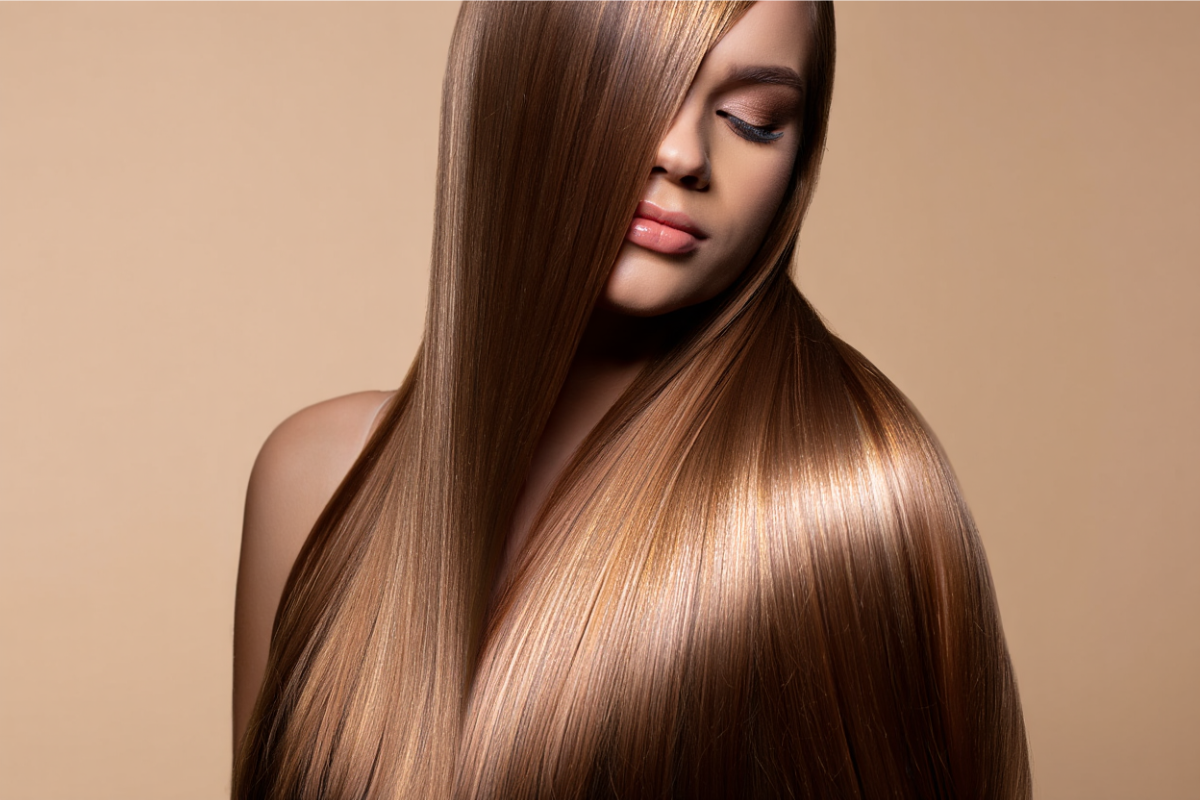
Figure: Deep-conditioning hair treatment (hair Botox) infuses strands with protein and oils for smoother, healthier-looking hair.
What Exactly Is Hair Botox?
Hair Botox is not an injection and contains no real Botox. It’s essentially an intensive hair mask or filler treatment. According to experts, hair Botox is a “deep conditioning treatment applied to the hair” that repairs damage and tames frizz. Products marketed as hair Botox typically contain vitamins (like B5), amino acids, keratin or collagen, and natural oils (such as argan and coconut oil). These ingredients penetrate the hair shaft to nourish, strengthen and smooth each strand. A stylist explains: “A hair Botox treatment acts as a filler… infusing the hair with intense hydration while replacing/filling in the lost cuticle layers, creating a protective barrier”. In short, hair Botox works like a super-rich conditioner that glues down broken hair cuticles, making hair look full and glossy.
In contrast to salon keratin or Brazilian blowout treatments, hair Botox is typically chemical-free. Many keratin treatments use formaldehyde-based solutions to lock hair straight, whereas hair Botox relies on proteins and conditioning agents. This means hair Botox smooths hair without “freezing” it straight, and it’s generally safer for frequent use (more on that later). Professional products include formulas like L’Oréal Professional’s Fibrocystic and Majestic Hair Botox, which contain specialized polymers and collagen complexes to boost hair volume and softness. Overall, hair Botox is best understood as an intensive hair rejuvenation therapy that fills and seals damaged areas of the hair fiber, improving health and appearance.
How Does Hair Botox Work?
When applied in a salon or at home, hair Botox treatments follow a simple process: hair is shampooed to open the cuticles, the Botox formula is applied and left on for a period, then hair is typically rinsed and flat-ironed. During this process, the nourishing ingredients penetrate the strands. Healthline notes that hair Botox “coats hair fibers with a filler, such as keratin” to fill in broken or thin spots on each strand. One stylist likened it to “Juvéderm for the hair,” explaining that it “replaces/fills in the lost cuticle layers, creating a protective barrier”. The effect is multi-fold:
-
Fills damaged areas. Broken or weak parts of the hair cuticle are filled with proteins and amino acids, making the hair look plumper and stronger.
-
Seals cuticles. By coating the hair shaft, Botox flattens and smooths the cuticle layers, which helps reflect light for a glossy shine.
-
Hydrates and nourishes. Many hair Botox formulas contain conditioning oils (like argan and coconut) and vitamins, which deeply moisturize and reduce dryness.
-
Reduces frizz and tangles. With the cuticle layers aligned and smooth, the hair surface is less prone to static and frizz, making it easier to detangle and style.
-
Strengthens hair. Over time, the repeated protein treatment can reduce breakage by reinforcing hair structure. Users often find split ends are less noticeable after a Botox course
The procedure for a typical salon hair Botox application (as summarized by Bizz book) involves: shampooing the hair, applying the Botox formula to damp hair, leaving it on for 30–90 minutes, rinsing, and then using a flat iron to lock it in Some stylists skip rinsing and instead blow-dry/brake hair while straightening to help the product penetrate. Importantly, results usually appear immediately after drying—right after the treatment, hair looks smoother and more lustrous.
Studies and market reports emphasize that hair Botox is intended to be a natural, “filling” hair fix rather than a chemical straightener. A grand research report defines it as a “conditioning treatment … that covers hair fibers with keratin as a filler agent,” making hair appear fuller by filling broken areas.
Key Benefits of Hair Botox Treatment
Hair Botox offers several benefits over standard conditioning treatments. The primary advantages include:
-
Frizz reduction and smoothing. Hair Botox significantly tames frizzy, unruly hair. By sealing the cuticles and adding weight, it makes hair straighter and easier to manage. As Southern Living notes, the treatment fills in “the cuticle’s damaged sections, reducing frizz and creating a smooth surface”. This is a top benefit for many, especially in humid climates. Hair Botox is often touted as a “safer alternative to keratin” for smoothing, since it delivers softness without harsh chemicals.
-
Repairing damage. Many users have hair that is brittle or damaged from heat styling, coloring or bleaching. Hair Botox can help repair and reverse this damage. It deposits ingredients like amino acids and collagen into the hair shaft to rebuild its strength. Stylists report it “rejuvenates damaged hair” and “improves the health of your hair”. Split ends appear minimized and the hair texture feels healthier. By making hair more resilient, Botox can even help prevent future breakage.
-
Added volume and fullness. Because Botox “plumps” up each strand, fine or thinning hair can look thicker and fuller. It literally fills in the gaps, so hair takes on more body. In fact, Market research highlights that the hair Botox market has grown partly because users see their hair become “lustrous and fuller by filling the broken areas…of the hair strand.”.
-
Shine and gloss. Smoothing the hair cuticle naturally increases shine. Customers often comment that their hair looks mirror-smooth and shiny post-treatment. This is partly due to the high-protein formulas coating the hair, and partly because a sealed cuticle reflects light evenly.
-
Long-lasting results. Hair Botox effects last several months per treatment (see “How Long” below), reducing the need for daily styling efforts. You can often go 2–4 months between sessions while maintaining smooth hair.
-
Low maintenance and no downtime. You can wash and leave immediately after treatment, unlike more intense salon procedures. While keratin or relaxer treatments sometimes require several days of no washing, Botox has no such strict restrictions. It’s essentially a hair mask, so normal showering and exercise are OK right away.
-
Safe for most hair types. Hair Botox generally works on all hair types. Unlike keratin treatments that are recommended mainly for very frizzy, coarse hair, Botox can be used on curly, wavy or even fine hair to improve texture. Both thick and thin hair can benefit from its reconstructive properties.
In short, hair Botox offers a full rejuvenation package: less frizz, more smoothness, and stronger hair. Users often report instantly seeing looser waves and silkier hair after the first session On social media and in reviews, people share before-and-after pictures where dry, tangled hair is transformed into glossy, straight locks thanks to hair Botox (see, for example, the before/after gallery curated by Bizz book
Overall, the goal of hair Botox is to make hair look and feel “healthier and younger” – boosting manageability and confidence without drastic chemical changes.
Hair Botox vs Keratin (and Brazilian Blowout)
Many readers ask: How is hair Botox different from keratin or Brazilian blowout treatments? Both aim to smooth hair, but their methods and results differ. In a nutshell, keratin treatments are chemical processes that bond keratin to hair to straighten and reduce frizz, often using formaldehyde. Hair Botox, by contrast, is just a conditioning mask without chemical straightening.
According to Healthline, keratin treatments “often contain formaldehyde… used to ‘lock’ or ‘freeze’ hair strands into a straight position”. This leads to very long-lasting straightening (up to 6 months), but carries risk from formaldehyde exposure. Hair Botox “doesn’t use chemical reactions to work”. It simply fills and coats the hair. Because of this, hair Botox does not contain formaldehyde and is considered gentler. Many stylists highlight that Botox is safer for repeated use, whereas keratin overuse can damage hair.
Keratin treatments are also mainly recommended for very coarse, frizzy hair, whereas hair Botox suits all hair types. If your goal is just to smooth frizz and add health, Botox is often preferred. Hair Botox won’t dramatically straighten naturally curly hair (as a keratin relaxer would), but it will make curls look shinier, softer and more defined. Southern Living notes keratin can last longer (up to 6 months) versus Botox (2–4 months), but hair Botox “is a gentler approach to smoothing and restoring your hair” if you want to avoid harsh chemicals.
Key differences: Keratin = chemical straighten + frizz-fighting (long-lasting but uses formaldehyde). Hair Botox = protein conditioning + shine-boost (safer, reversible). If formaldehyde safety is a concern, hair Botox is appealing. Healthline advises: keratin costs a bit less ($70–$100 DIY kits) but involves more chemicals, whereas hair Botox (the smoother alternative) costs a few hundred at salons but contains no harsh fumes.
Ultimately, the choice depends on your goals. If you just want smoother, glossy hair without changing texture too drastically, hair Botox is ideal. For a hair that’s both sleek and very straight, keratin might be chosen by some – but always be aware of proper ventilation during a keratin service.
Hair Botox: Salon vs At-Home Treatments
Hair Botox treatments can be done professionally in salons or at home with DIY kits. Which to choose? Here are the main considerations:
-
Effectiveness and quality: Salon treatments usually deliver the best, most consistent results. Professional stylists use commercial-grade products and ensure even application. As Healthline recommends, “visit a trusted salon… hair stylists can purchase their products from verified sellers” for optimal results. At-home kits exist (brands like Notre and B-Tox Platinum have consumer products, but their formulas may be weaker. Results from DIY kits can vary. According to Bizz book, at-home use is possible: “The answer is yes! … it’s perfectly possible to use them at home,” but they caution users to patch-test and carefully follow instructions
-
Cost: Salon sessions are more expensive (typically $150-$300+). At-home kits are cheaper (Bizz book’s picks start around $50). If budget is tight, a home product can provide some benefit, but you may not get that same professional finish.
-
Skill and time: Doing it yourself requires care. The Bizz book guide suggests having someone help if needed, and to strictly follow instructions If you’re confident with home hair treatments, a kit can work. Otherwise, consider a salon’s expertise.
-
Safety: Both methods are safe if done right. However, a professional will likely do a patch test and avoid contact with skin. For DIY, you must also do a test and avoid scalp/skin contact as much as possible.
In summary: Salon hair Botox guarantees the best, longest-lasting results with expert application, while at-home kits offer a cheaper alternative for maintenance. If you try DIY, choose reputable brands and follow all precautions (patch-test, section hair, etc.). Many people use a professional treatment initially and then reapply a kit at home every couple months to prolong the effect.
What to Expect During Treatment
Whether at home or in a salon, a typical hair Botox treatment follows these steps
-
Hair Assessment & Cleansing: Hair is washed with a clarifying or gentle shampoo to remove oils and open the cuticle. This allows the Botox formula to penetrate deeply.
-
Application of Hair Botox Formula: The stylist (or you) applies the product evenly, section by section, from roots to ends. The hair is typically combed through to ensure full coverage. (In a DIY kit, you’d do the same.)
-
Processing Time: The treatment is left on damp hair for about 30–90 minutes, depending on the product and hair needs. During this time, you may sit under a dryer or just relax.
-
Rinse (optional): Some stylists rinse out the treatment with cold water before drying; others leave the product in. Rinsing can slightly reduce the strength of the treatment but makes hair less coated. Check your product’s instructions.
-
Blow-Dry & Straighten: Finally, hair is blow-dried and flat-ironed at a moderate heat. The heat “seals” the proteins onto the hair shaft. One guideline says a flat iron is used “to seal the treatment” into the hair
-
Final Styling: Once fully dry and straight, the final look is revealed – typically smoother, shinier, and healthier-looking hair.
Overall, the process is straightforward and similar to other keratin-style treatments. There is no downtime, and you can leave the salon immediately. Southern Living notes that an experienced stylist should perform the treatment to avoid over-processing (too much protein or heat can make hair brittle).
Before and After: Real Results
Users frequently report dramatic transformations from hair Botox. Typical “before” scenarios are hair that is frizzy, dull, dry or uneven. The “after” hair is smoother, glossier and feels stronger. For example, many share photos where tangled ends become sleek after a session (see sample before/after photos online
-
Immediate Shine: Almost everyone notices an increase in shine as soon as their hair is dried. This is because the cuticle layers have been sealed flat, reflecting light evenly.
-
Frizz Control: Frizz is usually gone or greatly reduced, especially on the length of the hair. Roots may remain slightly more natural, but overall wave or curl is relaxed.
-
Softer Feel: Hair feels softer to the touch, as if a deep conditioner was applied. There is no crunchy or hard feeling (unlike some protein overload with other treatments).
-
Manageability: Many users find their hair tangles less and styling time is shorter, as blow-drying is easier when the hair is smoother.
The full effect can usually be seen after the first wash. Hair continues to “settle” over the next few days, showing its true texture. Salons often recommend avoiding harsh shampoos or chemicals post-treatment. A good tip (from Southern Living) is to switch to a sulfate-free shampoo after Botox to help the effect last longer
Summary of Expected Changes:
-
Before: Dry, coarse, frizzy hair with split ends and dullness.
-
After: Sleek, hydrated hair with fewer split ends, less volume at the frizzy top, and a radiant shine.
Hair Botox won’t magically change your hair color or drastically reshape curls, but it will make the hair look far healthier. People often describe it as giving a “younger, healthier appearance” to the hair.
How Long Does Hair Botox Last?
A key question is longevity. On average, hair Botox results last about 2–4 months. Several factors influence this:
-
Hair porosity and type: Coarse, very curly hair may hold the treatment longer. Fine hair might lose the effect sooner.
-
Aftercare routine: Using sulfate-free, color-safe shampoos extends results. Sulfates can strip proteins more quickly. Many stylists advise low-sulfate shampoo after treatment
-
Frequency of washing: Less frequent washing (2–3 times a week) helps preserve the treatment.
-
Environmental factors: Swimming in chlorinated pools or frequent sun exposure can fade the effect faster.
According to Healthline, you should “be prepared to spend a couple hundred dollars and visit a trusted salon” for the best results, which will then last a few months. The effects gradually fade; hair slowly reverts to its original texture as the treatments wash out or break down. To maintain smoothness, many people schedule touch-ups every 3 months or so.
In practice, if you love the results, plan to redo hair Botox approximately every 3 months. The treatment is often marketed to salons as a quarterly service. Just be sure not to overdo it: most stylists recommend no more than 3–4 sessions per year to avoid protein build-up (more on that below).
Hair Botox for Frizzy or Damaged Hair
If your hair is frizzy, dry or chemically treated, hair Botox can be especially beneficial. In fact, industry data shows frizzy hair is the single largest market for Botox treatments (accounting for ~45% of use in 2022). This is because frizzy hair’s cuticles are raised and damaged; Botox smooths them down. Revive Clinic notes Botox “reduces frizz, makes your hair look smoother and reduces styling time”, and it “hydrates and moisturizes your hair”, which directly counteracts frizz.
Likewise, hair that’s brittle from coloring, heat-styling or bleaching will see improvement. Stylists often recommend hair Botox when they see split ends or breakage. By sealing and strengthening, Botox treatments give a second life to broken strands
In summary, ideal candidates for hair Botox are those with:
-
Dry, frizzy hair struggling with humidity.
-
Damaged hair (split ends, brittleness) from dyes or heat.
-
Thin or fine hair wanting more volume and fullness.
-
Color-treated hair needing a moisture boost.
-
Anyone seeking a chemical-free smoothing treatment.
Even people with minor damage use Botox as a preventive care, to keep hair healthy. Because it contains nourishing ingredients, some see it as a conditioning “spa” treatment for hair
Professional Hair Botox Brands and Products
A variety of brands offer hair Botox formulas. Both pro salon lines and at-home kits are popular. Some widely used professional products include:
-
L’Oréal Professional Fibrocystic: A salon system (sometimes called a hair Botox in salons) that uses L’Oréal’s Intra-Cylance polymer to instantly plump and restore hair.
-
Majestic Hair Botox: Contains caviar oil, peptides, vitamins and collagen. Majestic’s formula claims to provide softness, strength and shine.
-
Nutree Brazilian Botox Expert: A Brazil-specific brand favored in many salons. It promises to repair damage and add shine that lasts up to 2 months
-
Felps Botox XBTX: A Brazilian line (XBTX Omega Zero) containing macadamia oil, designed for unruly hair control and volume reduction
-
BrazilianBonding: An international brand offering reconstructive hair Botox kits used in salons worldwide.
-
B-Tox Platinum: A salon mask popular for blondes; it not only nourishes hair but also neutralizes brassy tones in blonde hair
-
NewKeratin / K-18: Some hair wellness brands are launching keratin/Botox hybrids – e.g. K18’s bond repair mask is sometimes discussed in Botox guides.
For at-home users, there are DIY kits (often called hair botox or keratin kits) such as:
-
Olivia Garden Argan Oil Botox Kit (with argan and collagen).
-
Fekkai Glossing Mist/Mask (not labeled as Botox but deep condition similar).
-
L’Oreal or Color Wow masks – again not called Botox, but serve a similar role.
When choosing a brand, look for professional-grade ingredients (keratin, collagen, omega oils). Many hair stylists suggest sticking to salon brands or kits sold by stylists. As Healthline warned, some cheaper at-home products may not contain enough active ingredients.
No single brand is declared “best” universally; it often depends on hair type and salon preference. Nutree, Majestic, and Fiberceutic are popular in professional salons, while consumer kits like Brazilian Keratin’s Expert series are found on Amazon. The key is to use a reputable brand that discloses its ingredients.
Hair Botox Side Effects and Safety
Hair Botox is generally safe when used correctly. Since it has no harsh chemicals, major health risks are low. Revive Clinic states that hair Botox is “generally considered to be very safe” and most people get good results without negative effects. However, as with any treatment, a few side effects or cautions exist:
-
Allergic skin reaction: In rare cases, some users may experience scalp itching, redness or irritation if they are sensitive to an ingredient. This is why stylists often do a small patch test beforehand. Keep treatment off the skin as much as possible to avoid this.
-
Hair Breakage or Thinning (with overuse): Too frequent Botox treatments can overload the hair with protein, making it stiff and prone to breaking over time. MedicalNewsToday warns against doing Botox treatments more than 3–4 times per year, or else you risk hair breakage and dullness. Similarly, JustDial reports that some people suffer “severe hair breakage and thinning” with repeated use. The solution is moderation: space out treatments and use gentle shampoos in between.
-
Greasy or Heavy Hair (immediately after): Right after treatment, the hair may feel heavier or oilier because of the conditioner-rich formula. This usually resolves after the first wash or two. In some cases, users might temporarily feel some hair limpness until the hair adjusts.
-
Protein Buildup: If multiple protein treatments (Botox, keratin, etc.) are done in a short time, hair can become overly rigid (protein overload). This can make hair brittle or straw-like. To avoid this, alternate Botox with a hydrating mask occasionally.
-
Cost/Time: Not a health side effect per se, but remember that a salon Botox is time-consuming and fairly pricey. Some consider this a “side effect” since it requires a commitment of time and money every few months.
Importantly, hair Botox is not a permanent fix or medication. It does not change the hair’s biology. So if you experience any odd reaction, simply don’t repeat it. Dermatologists have noted that hair botox (unlike scalp Botox injections) has minimal systemic risk.
To stay safe: always follow instructions, go to a reputable stylist, and don’t exceed recommended frequency. If you have a history of skin allergies or extremely sensitive scalp, consult a dermatologist before trying it. For most people, the main “side effect” is extremely nice hair, which is exactly why it’s popular!
Hair Botox Price: How Much Does It Cost?
Cost is a big factor. Hair Botox treatments vary widely in price depending on location, hair length, and who performs it. In general:
-
Salon treatment: Expect roughly $150–$300 or more for a professional Botox session. Larger cities and high-end salons tend toward the higher end. Southern Living reports that “the cost of a hair botox treatment could range anywhere from $150-$300”, depending on hair length and salon. Ask your salon for a quote.
-
At-home kits: Much cheaper, often $50–$150 per kit. Bizzbook notes Nutree’s kit is about $50, Felps kit $173, etc. (Some DIY kits cost even less, but quality varies.) These kits usually provide enough product for multiple uses. While more affordable, remember you may need to reapply sooner than a salon result.
-
Frequency: Since results last ~3 months, budget accordingly. If doing salon Botox every 3 months, that could be $600–$1200 per year. At-home maintenance kits are cheaper but only last 1–2 months of effect.
When considering price, also factor in related costs. After Botox, you might need sulfate-free shampoo ($10–$20) and leave-in conditioners to extend the effect. Also, some salons offer package deals for multiple treatments. Always confirm what’s included (wash, blow-dry, products) before paying.
In summary, hair Botox is a mid-range professional service. It’s comparable to a keratin or Brazilian blowout in cost. If you’re on a tight budget but want the effect, a good strategy is one salon Botox per year supplemented by home kits and premium hair care products for maintenance.
Tips to Maximize Your Hair Botox Results
-
Use gentle, sulfate-free shampoos. Sulfates strip hair faster. Switching to a gentle shampoo (marked for color-treated or keratin-treated hair) helps the Botox last longer.
-
Avoid harsh treatments in between. Limit bleaching or perms for a few weeks after Botox. This maintains the hair’s integrity and the Botox layer.
-
Minimize heat styling. After Botox, try to air-dry when possible or use a cool setting. The straighter and blonder your hair, the more caution you need with flat irons, as they can break down the treatment over time.
-
Refresh with masks. Monthly deep conditioning masks can boost the effect. Some salons sell a take-home masque (often from the same brand as the Botox).
-
Protect from chlorine and sun. Wear a swim cap or rinse hair immediately after pool/sun exposure. Harsh chemicals and UV can prematurely fade Botox effects.
Following these practices can help you get the full value of each treatment. Many stylists note that clients who follow a good at-home routine see their Botox last up to 4 months
FAQs
Q: What exactly is hair Botox and how does it differ from skin Botox?
A: Hair Botox is a topical hair treatment, not an injection. It doesn’t contain any botulinum toxin like cosmetic Botox does. Instead, it’s a concentrated conditioning mask filled with proteins and vitamins that “fills in” damaged hair. The term “Botox” is just marketing – it means your hair becomes as smooth and frizz-free as a Botoxed forehead looks.
Q: Does hair Botox contain chemicals or toxins?
A: No. Unlike keratin treatments, hair Botox “doesn’t use chemical reactions” and contains no formaldehyde. Its formulas rely on natural oils, collagen, keratin proteins, etc., making it a gentler alternative. It’s generally considered safe with minimal risk of serious toxins.
Q: How long does a hair Botox treatment last?
A: Typically 2–4 months. Most people see effects wear off by the 3rd month. The duration depends on your hair type and care. Using sulfate-free shampoo and limiting washes can extend the smoothness. Re-treating every 2–4 months is common to maintain results.
Q: How much does hair Botox cost at a salon?
A: Salon prices vary, but expect around $150–$300 or more per session. Hair length and salon prestige affect cost. Home kits are cheaper ($50–$150), but they often yield shorter-lasting results. Always ask the salon for a quote.
Q: Can I do hair Botox at home?
A: Yes, there are DIY kits. Many users apply hair Botox or similar deep-conditioners at home. It’s crucial to follow instructions carefully. Stylist advice from Bizzbook: patch-test the product first, have someone help apply it for even coverage, and don’t expect it to fully replace a professional service Home kits can be effective for maintenance between salon visits.
Q: Who should use hair Botox?
A: It’s great for frizzy, dry, or damaged hair. If your hair is tangled, dull, or has many split ends, Botox can help. It adds moisture and strength to brittle hair. Even fine hair can benefit from the volume boost. Essentially, anyone looking to improve hair health and reduce frizz can consider it.
Q: Are there any side effects?
A: Most people experience none. A small percentage might have a mild scalp irritation or allergic reaction (so do a patch test). If overused, hair can become stiff or break, so don’t do it too often (limit to a few times a year). Always follow guidelines and discuss any concerns with your stylist.
Conclusion
Hair Botox is a modern hair-repair treatment that offers salon-quality smoothing and strengthening without harsh chemicals. By filling in gaps with keratin and nourishing agents, it makes hair appear thicker, shinier, and frizz-free. It’s especially beneficial for those with dry or damaged hair, and many find results last 2–4 months. While side effects are minimal if used correctly, be mindful of treating it like any other protein service – use gentle products and don’t overdo it.
If you’re tired of battling frizz and split ends, hair Botox could be worth a try. As with any treatment, success depends on quality products and technique. Consider booking a consultation with a hairstylist to see if hair Botox is right for you, and if so, enjoy the transformation to smoother, healthier-looking hair.