
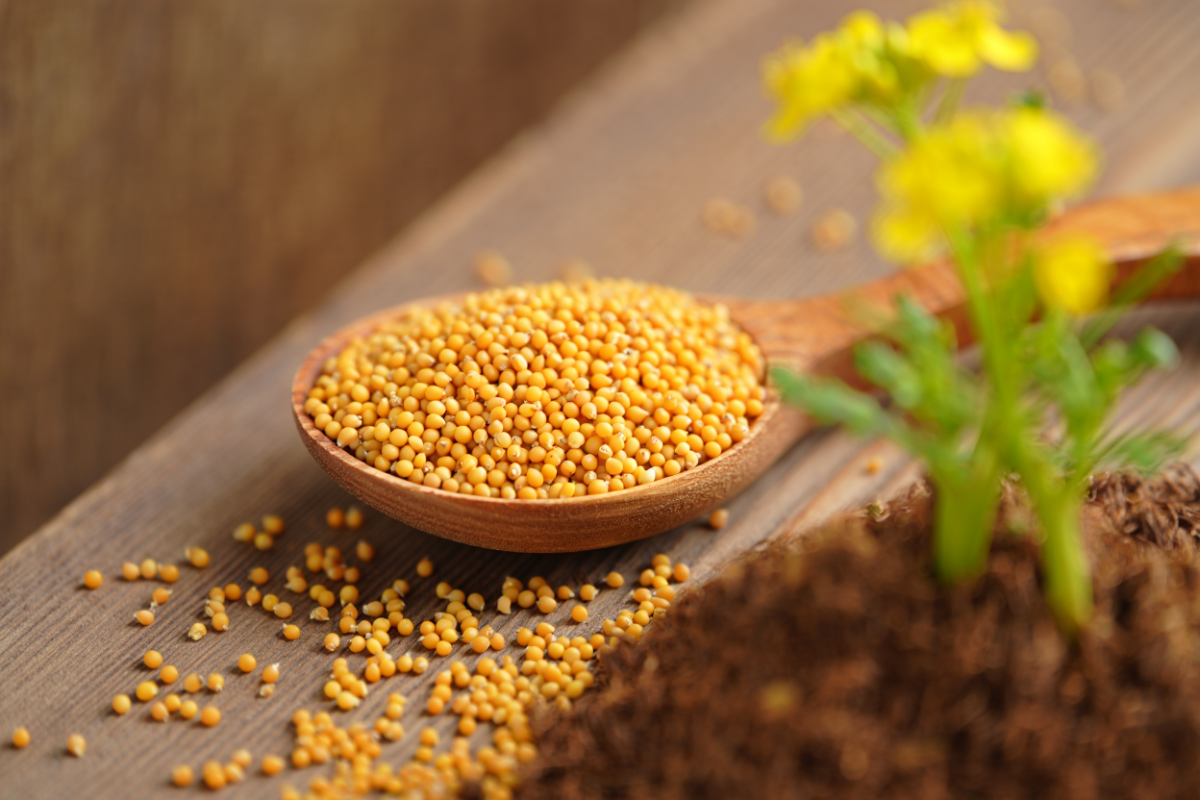
Hands holding a small heap of brown mustard seeds – symbolizing the tiny yet powerful nature of mustard seed. Mustard seeds are tiny spice seeds revered in both spiritual teachings and health traditions. In Christianity, Jesus famously used the mustard seed as a metaphor for faith – saying even “faith as small as a mustard seed” can move mountains. This symbolizes how humble beginnings and small acts of faith can grow into something great (Matthew 17:20; Matthew 13:31–32). At the same time, these seeds are packed with nutrients and compounds that support wellness. Below, we explore the mustard seed’s deep spiritual meaning and its health benefits, from nutrition to healing uses, with easy ways to include them in cooking.
Symbolism of the Mustard Seed in Faith
-
Tiny Faith, Great Power: Jesus taught that even a mustard seed–sized bit of faith is enough to accomplish the impossible. This mustard seed symbolism encourages believers that small, genuine faith (and effort) yields great outcomes.
-
Kingdom Growth Parable: In the Parable of the Mustard Seed (Matthew 13:31–32), Jesus compares the Kingdom of God to a mustard seed that grows into a large tree. In this story, the mustard seed represents the modest beginnings of Christianity and how it grew globally through humble faith.
-
Dependence and Hope: Throughout Christian tradition, the mustard seed reminds the faithful to trust God with even tiny offerings. The seed’s huge potential fosters hope that God can multiply our small contributions (faith, resources, or acts of kindness) into abundant blessings.
In short, the mustard seed meaning in faith is “little is much when it comes from God”. It stands for growth, dependence on God’s power, and the promise that even small faith can lead to great things. (Some believers even wear a mustard seed as a necklace to recall this lesson.)
Nutritional Power of Mustard Seeds
Mustard seeds are also a nutritional powerhouse. These tiny seeds pack a variety of macronutrients and micronutrients:
-
Macronutrients (per 1 tbsp, 6g ground): ~32 calories, 2.5 g fat, 2 g carbs (including 1 g fiber), and 2 g protein. They provide healthy fats (mostly unsaturated), a bit of fiber, and a protein boost in even small amounts.
-
Vitamins & Minerals: Mustard seeds contain a host of vitamins and minerals. They are rich in antioxidants (including glucosinolates), vitamins A, C, and K, and B-vitamins like thiamin and folic acidImportant minerals include calcium, iron, magnesium, phosphorus, zinc, copper, manganese, and selenium. For example, they supply selenium and magnesium, which support metabolism and bone health.
-
Bioactive Compounds: Notably, mustard seeds are high in glucosinolates (sulfur-containing compounds) and omega-3 fatty acids. These compounds give mustard its pungent flavor and contribute to its health effects, such as supporting detoxification and reducing inflammation.
Overall, “mustard seeds are loaded with vitamins and minerals” and have been used for medicinal purposes for decades. Their nutrient-dense profile – with protein, fiber, omega-3s, and essential vitamins/minerals – makes them a small yet mighty addition to any diet.
Health Benefits of Mustard Seeds
Mustard seeds offer a range of health benefits, thanks to their rich nutrient and phytochemical content. Key benefits include:
-
Anticancer Properties: Research suggests mustard seeds’ glucosinolates and related compounds can inhibit the growth of cancer cells. One study in Human & Experimental Toxicology found these compounds have chemopreventive potential, helping protect against carcinogens Mustard’s antioxidants further neutralize free radicals, supporting cell health.
-
Anti-inflammatory & Antimicrobial: Mustard seeds contain potent anti-inflammatory substances. For example, sinigrin (a glucosinolate) and other phenolics fight inflammation and reduce bacterial/fungal growth. This makes mustard seeds useful in traditional remedies for headaches, arthritis, and skin infections. The seeds’ anti-inflammatory oils can also ease muscle pain when made into a topical paste (a common folk remedy).
-
Digestive Health: The fiber in mustard seeds (about 1 g per tablespoon) aids digestion. They help promote healthy bowel movements and relieve constipation In Ayurveda and folk medicine, mustard is used to stimulate digestion and prevent indigestion. A daily dash of mustard seeds may improve gut health.
-
Heart Health: Mustard seeds’ healthy fats (including omega-3s) and fiber support cardiovascular health. In Indian diets, mustard oil (pressed from these seeds) is traditional for frying because it helps manage cholesterol. It can lower bad LDL levels and boost good HDL cholesterol As a result, regular consumption of mustard (in cooking or oil form) can contribute to better blood pressure and heart function
-
Bone and Teeth Strength: Rich in minerals like calcium and magnesium, mustard seeds support bone and dental health. Selenium in the seeds strengthens bones and connective tissue, while vitamin A aids vision. These nutrients combined help prevent osteoporosis and maintain strong teeth.
-
Skin Health and Anti-aging: The fatty oils and antioxidants in mustard seeds nourish the skin. They improve hydration, reduce dryness, and protect against oxidative stress. Vitamins A and C in mustard help collagen production and skin repair. Together, they keep skin youthful and may reduce signs of aging.
-
Immune Support: Mustard’s vitamins, minerals, and phytochemicals bolster the immune system. Its antimicrobial and anti-inflammatory effects help the body fight infections. Traditional medicine has even used mustard packs on the chest to alleviate colds and congestion.
In summary, incorporating mustard seeds into your diet can aid in cancer prevention, inflammation reduction, digestive health, heart wellness, bone strength, skin vitality, and overall immunity. These benefits – along with the small, concentrated nutrition profile – make mustard seeds a powerful health food.
Culinary Uses and Recipes
Mustard seeds are extremely versatile in cooking and add both flavor and nutrition to dishes:
-
Indian Cuisine (Tadka/Tempering): Whole mustard seeds (often black or brown) are heated in oil at the start of cooking. When they “pop,” they release a nutty, spicy aroma. This tempering technique (tadka) is fundamental in Indian dals, curries, pickles, and chutneys. For example, South Indian recipes use mustard seeds with curry leaves and chilies; Bengali cuisine uses them in fish curries. The Spruce Eats notes that “mustard seeds are often part of the tadka in a dish,” infusing dishes with flavor.
-
Western and Global Dishes: In Western cuisine, mustard seeds (usually yellow) are the basis of prepared mustards and vinaigrettes. They are used whole or ground in salad dressings, sauces, and marinades. For instance, whole mustard seeds add crunch to pickling brines, and Dijon mustard (ground mustard paste) flavors sandwiches and dressings. The small seed’s tang enhances cheese spreads, sausages (like grainy mustard on brats), and even salad dressings.
-
Spice Blends and Condiments: Grind mustard seeds with other spices (coriander, cumin, etc.) for custom spice rubs and curry mixes. Homemade mustard paste or sauce can be made by soaking seeds in vinegar with herbs, herbs (e.g., fresh turmeric, garlic) to taste. They’re also key in many Indian spice mixes like panch phoron and garam masala.
-
Recipes to Try: Try tossing mustard seeds into stirred dishes: e.g., Lemon Rice (South India) starts by sautéing mustard seeds in oil. Or make a homemade pickle (achar) by mixing raw vegetables with mustard seeds and oil. A simple honey-mustard dressing (vinegar + mustard powder) is another tasty use. The seeds can even top breads and bagels (think pretzel or multi-seed bagels).
Close-up of mustard seeds (brown and yellow) – illustrating their earthy color and texture. Incorporating mustard seeds into recipes is easy. Begin by heating a teaspoon of oil and adding ½ teaspoon of mustard seeds; once they sizzle, toss in onions or vegetables. You’ll smell their distinctive aroma immediately. For a healthy kick, grind some seeds into your marinades or rubs for meats and vegetables. In short, mustard seeds (and mustard seed oil) are culinary staples from Asian kitchens to global pantries
Mustard Seed Oil and Hair/Skincare Uses
“Mustard seed oil,” pressed from these seeds, has its own set of uses:
-
Cooking Oil: In parts of India and Bangladesh, mustard oil is a common cooking oil (often labeled “For External Use” in the West due to FDA regulations). It has a high smoke point and adds flavor to fried or sautéed foods. It also carries over many mustard seed benefits, such as lowering cholesterol.
-
Hair Care: Mustard oil is popularly used as a hair oil. It adds moisture and may improve scalp health. It contains vitamins A, E, and omega-3s that can condition hair follicles and protect from UV damage. However, medical reviews note there is currently no strong scientific evidence that mustard oil can actually stimulate hair growth. It is mainly anecdotally used for hair strengthening and dandruff control. For example, Healthline advises using mustard oil mixed with carrier oils as a scalp massage to treat dandruff, thanks to its antibacterial/antifungal properties
-
Skin and Topical Remedies: When applied to the skin (usually diluted), mustard oil’s warming effect can relieve muscle aches and improve circulation. Its antimicrobial properties help treat minor skin infections or dandruff. Some people use crushed seeds in oil as a paste for psoriasis or eczema patches (always with a patch test first). Note: mustard oil can irritate sensitive skin or cause rashes in some individuals, so use sparingly and test on a small area.
In summary, mustard seed oil offers cosmetic benefits and is a traditional ingredient in home remedies. It’s moisturizing and anti-microbial, supporting scalp and skin health. But remember, no oil alone can cure hair loss – it mainly conditions hair.
Mustard Seed Varieties: Black vs. Yellow
There are two common types of mustard seeds used worldwide: black (or brown) mustard and yellow (white) mustard seeds. Their differences matter for flavor and uses:
-
Black/Brown Mustard Seeds (Brassica nigra or B. juncea): Smaller and stronger in flavor, these are often used in Indian and Asian cooking. They contain a higher concentration of glucosinolates, giving them sharp, pungent taste. This makes black mustard great for robust dishes and medicinal uses. It’s favored in Indian pickles and spicy curries.
-
Yellow Mustard Seeds (Sinapis alba): Larger and milder, yellow seeds are common in Western cuisine. They’re used to make classic Dijon and American yellow mustards. Though milder in taste, yellow seeds still offer the same health benefits as their black counterparts. They are easier on the palate and often used whole for pickles, mustard sauces, and salad dressings.
Importantly, both types share similar health properties. However, black mustard’s extra pungency (and nutrients) makes it a stronger anti-inflammatory agent. Yellow mustard seeds are chosen for milder flavor preferences. Choose according to your recipe: use black for spice-heavy meals and yellow when a subtler taste is desired
FAQs about Mustard Seeds
Q: What does the mustard seed symbolize in faith traditions?
A: In Christianity, the mustard seed symbolizes great potential arising from small beginnings. Jesus used it in the “faith as small as a mustard seed” teaching and in the parable of the mustard plant. It represents how humble, true faith (though tiny) can achieve amazing results through God’s power.
Q: Are mustard seeds good for health?
A: Yes. Mustard seeds are nutrient-rich and offer many health benefits. They contain glucosinolates, fiber, and vitamins/minerals that can help support digestion, heart health, bones, and skin. For example, studies note their cancer-fighting potential and ability to improve cholestero. However, they’re not a cure-all – they supplement a balanced diet.
Q: How do I use mustard seeds in cooking?
A: You can use mustard seeds whole or ground. For whole seeds, a classic method is to heat a little oil, add mustard seeds, and wait for them to pop (this is called tempering or tadka in Indian cooking). Once popped, mix in vegetables or dals. You can also grind seeds for homemade mustard paste (mix with vinegar/lemon and spices) or toss them into marinades and pickles. Sprinkle seeds on breads or salads for crunch. Many recipes (from Indian curries to salad dressings) include mustard seeds or mustard powder.
Q: Do mustard seeds or mustard oil promote hair growth?
A: While mustard oil has nourishing properties, scientific reviews say there is no evidence that it makes hair grow thicker. It does have vitamins (A, E) and fatty acids that condition the scalp and hair, which can make hair feel healthier. People use it for scalp massages to reduce dandruff or dryness. But if you’re experiencing significant hair loss, consult a doctor for proven treatments.
Q: What’s the difference between mustard seeds and black seeds (nigella)?
A: This is a common confusion. Mustard seeds come from mustard plants (Brassica family) and are brown/black or yellow. “Black seed” often refers to Nigella sativa (sometimes called black cumin or kalonji), a different spice entirely. They taste and behave differently. Mustard seeds are spicy and used for their flavor and nutrients, whereas Nigella seeds are used for their nutty flavor and medicinal effects. In mustard varieties, “black mustard seed” just means the darker, hotter mustard seeds, not Nigella.
Conclusion
Mustard seeds may be small, but they are mighty in meaning and in nutrition. Symbolically, they teach us that even tiny faith or effort can grow into something great In the kitchen and pharmacy of nature, mustard seeds pack a punch – full of vitamins, minerals, and beneficial compounds that support cancer prevention, heart health, digestion, skin care, and more. By adding mustard seeds or mustard oil to your diet and routines, you harness both their spiritual reminder and their health benefits.
Whether you’re reflecting on faith or simply craving a flavorful, healthful spice, mustard seeds deserve a spot in your heart and your pantry. Share this article if you found these insights helpful, and leave a comment to tell us how you use mustard seeds – in cooking or in faith. What’s your favorite mustard seed recipe or mustard seed verse? Let us know below!