
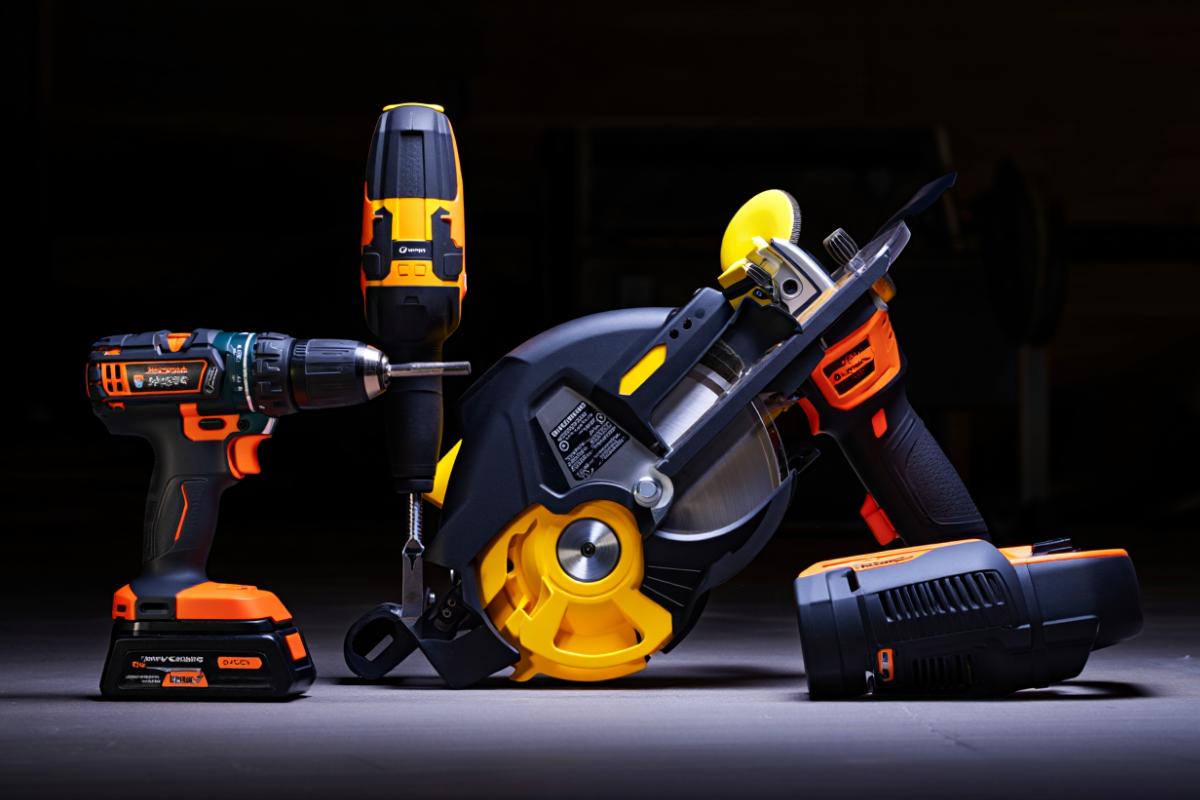
Meta Title: Power Tools That Deliver Strength and Precision: 2025 Guide
Meta Description: Discover power tools that deliver strength and precision for your projects. From drills and saws to combo kits, explore top brands like DeWalt and Makita.
Power Tools That Deliver Strength and Precision
Power tools are essential for both DIY enthusiasts and professional tradespeople. They combine raw strength with engineering precision to tackle tough jobs, from drilling deep holes to making flawless cuts. In fact, the global power tools market was valued at about $39.24 billion in 2024, highlighting the demand for high-performance tools that deliver both power and accuracy.
This article explores the top power tools that provide unmatched strength and precision. Covering everything from drills and saws to combo kits and beyond, we highlight leading brands like DeWalt and Makita. Whether you’re a novice or a pro, choosing the right power tools for each task ensures both efficiency and accuracy.
Key Features: Strength and Precision
High-quality power tools achieve precision through robust design. Key features include:
-
Torque and Power: Many tools use powerful motors or pneumatic systems to deliver high torque. A heavy-duty impact wrench or auger drill can produce over 100 Nm of torque, making it easy to drive long screws or bore through dense wood. This raw strength lets you tackle big tasks (like framing or drilling masonry) quickly.
-
Variable Speed Control: Adjustable speed settings let you fine-tune performance. For example, a drill with multiple gears and a clutch allows you to control drilling depth and prevent stripped screws. Slower speeds give cleaner cuts, while higher speeds add power for tough materials, ensuring precision across varied tasks.
-
Brushless Motors: Modern power tools often use brushless motors, which run more efficiently and generate less heat. These motors provide consistent power at all speeds and longer battery life. In practice, a brushless drill or driver maintains torque under heavy load and offers smoother operation—key for accurate, controlled work.
-
Battery Technology: Lithium-ion batteries power many cordless power tools, giving them a high power-to-weight ratio and steady voltage. Advanced battery systems (like DeWalt’s FlexVolt) can automatically adjust voltage for each tool, delivering consistent power during long, demanding jobs. Today’s power tools cordless offerings include highly capable drills and saws, enabling work in remote locations.
-
Ergonomics and Design: Ergonomic handles, balanced weight, and built-in guides enhance precision. For instance, many modern drills and saws feature contour grips and anti-vibration technology, so the tool sits comfortably in hand. This reduces fatigue, allowing you to maintain steady, accurate cuts or drills over long projects.
-
Smart Features: Some cutting-edge tools include Bluetooth or digital connectivity. These allow you to track usage, update firmware, or customize performance through an app. For example, certain brand platforms can store custom speed settings or alert you when maintenance is due. Such smart integration helps keep tools performing optimally and precisely.
Corded vs. Cordless: Power Tools for Every Task
Choosing between corded and cordless power tools depends on the task. In fact, the popularity of power tools cordless (battery-operated drills, impact drivers, saws, etc.) is growing noticeably. Corded tools plug into AC power and typically offer maximum, continuous power output—ideal for heavy-duty tasks (e.g., large concrete drilling) where runtime shouldn’t be a concern. However, cordless tools offer freedom of movement and convenience: you can work anywhere without tripping over cords. Modern lithium-ion battery technology means many cordless tools now match the power of corded models.
Key Differences:
-
Power Supply: Corded tools draw continuous power (no battery life to manage), while cordless tools rely on battery charge and runtime.
-
Mobility: Cordless tools let you move freely on job sites or outdoors. Corded tools require an outlet or generator.
-
Runtime: Corded tools run indefinitely; cordless tools need charged batteries. Carrying extra batteries or a quick charger can mitigate this limitation.
-
Weight: Batteries add weight, so cordless tools (especially with large batteries) can be heavier. Corded tools are generally lighter but have the restriction of a cord.
-
Cost: Cordless tools often cost more initially because you pay for batteries and chargers. Corded tools may be cheaper per unit. Over time, investing in one battery platform (like an 18V or 20V system) can be more economical than buying different chargers for separate tools.
Power Tools for Woodworking
Woodworkers rely on power tools for woodworking that combine toughness with fine control. Essential tools include drills, saws, routers, and sanders. For example, a cordless drill is the cornerstone of a wood shop: it effortlessly makes holes and drives screws in wood. An electric circular saw handles straight cuts and angled cuts quickly, while a jigsaw cuts curves and intricate shapes. Other must-have tools include:
-
Cordless Drill/Driver: Versatile for drilling pilot holes and driving screws. High-quality models offer multiple speed settings and strong clutches, so you can match torque to the material.
-
Circular Saw: Portable and powerful, it makes quick rip cuts (with a guide) and crosscuts in lumber or plywood. Use a fine-tooth blade for smooth finishes or coarse teeth for fast cuts.
-
Jigsaw: Ideal for curved or detailed cuts. Its narrow blade can follow patterns, making it perfect for cutouts and ornate shapes.
-
Router: Used for hollowing out wood, cutting grooves, and shaping edges. Routers (often cordless) add fine precision—e.g. trimming door edges or cutting dovetails with a guide.
-
Belt Sander: Quickly smooths large surfaces. A cordless belt sander helps polish tabletops or level uneven panels, working faster than hand sanding.
-
Miter Saw (Chop Saw): Provides precise angled crosscuts. Sliding compound miter saws let you make bevel and miter cuts (great for trim and frames) with perfect 90° or custom angles.
-
Table Saw: A stationary saw for ultra-precise straight cuts and rips. With its stable fence and adjustable blade height, a table saw can cut boards to width and sheet goods with very fine accuracy.
-
Reciprocating Saw: A powerful hand-held saw for demolition or rough cuts (in wood or metal). It sacrifices precision for strength but is included because it embodies brute-force cutting power.
-
Band Saw: A saw with a continuous loop blade on wheels. It excels at irregular shapes and resawing thick wood. A stationary band saw can cut curves or rip lumber (thin slices) with controlled, fine cuts.
These tools work together in woodworking. For example, a project might start with a circular saw to cut boards, use a drill for assembly, then routers and sanders for finishing. Using the right tool at each stage maximizes both strength and precision.
A contractor using a yellow DeWalt cordless power drill on a wooden panel, demonstrating strength and precision of power tools.
Power Tool Sets and Combo Kits
Buying a power tools set or combo kit is a smart way to get multiple tools at once. Combo kits typically bundle complementary tools (all using the same battery). Advantages include:
-
All-in-One: Kits often include a drill driver, impact driver, and sometimes a saw or flashlight. You get matching tools that use the same battery and charger.
-
Cost Savings: Purchasing a kit is usually cheaper than buying each tool separately. This is cost-effective for building a toolkit from scratch.
-
Single Battery Platform: Since all tools in a kit share batteries, you only need one set of batteries and charger. For example, an 18V or 20V kit may come with two batteries to power both the drill and the saw.
-
Brand Consistency: Kits are brand-specific (e.g. DeWalt, Makita, Milwaukee). Sticking to one brand’s ecosystem makes it easy to later add more compatible tools.
For example, a popular power tools combo kit might include a brushless drill, an impact driver, a work light, and two 18V batteries. Users get the core tools needed for most DIY or job-site projects. Combo kits cater to both beginners and pros by providing a ready-to-go set; you can then buy additional tools (like saws or sanders) that run on the same battery system.
Choosing the Right Power Drill
The power tools drill is one of the most versatile tools. When selecting a drill, consider these factors for strength and precision:
-
Cordless Drill Driver: This all-purpose drill makes holes and drives screws. It should have multiple speed gears and torque settings. These let you match drill speed and force to the material, preventing stripped screws or wood blowout.
-
Hammer Drill: If you need to drill into concrete or masonry, a hammer drill adds a rapid hammering action. It’s less useful for wood or metal, but essential for construction work.
-
Impact Driver: This compact driver delivers very high torque in short bursts. It’s excellent for driving long screws and large bolts quickly. For example, an impact driver can drive a 3″ deck screw without bogging down, whereas a standard drill might struggle.
-
Keyless vs. Keyed Chuck: Most modern drills have a keyless chuck (hand-tightened) for quick bit changes. Keyed chucks (using a wrench) can grip bits more firmly, which some builders prefer under heavy load. Choose based on convenience vs. holding power.
-
Battery Voltage: Common voltages are 12V, 18V (20V Max), 36V, etc. Higher voltage models typically deliver more power (higher torque). An 18V brushless drill is a popular choice for general use. For very heavy work, 36V models (like some Makita or DeWalt FlexVolt drills) give extra strength.
-
Brushless Motor: A brushless drill runs more efficiently and provides smoother power. It also tends to maintain torque at low speeds, which improves control for delicate tasks (like starting a hole exactly where you want it).
-
Ergonomics: The drill should feel balanced in your hand. Features like soft-grip handles, built-in LEDs, and compact design contribute to precise handling.
In summary, match the drill to your needs. For most home and workshop tasks, an 18V brushless cordless drill/driver (with an impact driver companion) is ideal. Professionals doing heavy construction might add a corded hammer drill for concrete. Always ensure the drill’s features (clutch, RPM, battery) align with the work you plan.
Precision Cutting: Power Saws
Power tools saws are critical for cutting with speed and precision. Different saws serve different purposes:
-
Circular Saw: A versatile hand-held saw for straight cuts in wood, plastic, or light metals. It can make rip cuts (along the grain) or crosscuts (across grain) using the right blade. With guide rails or a good fence, a circular saw delivers precise, long cuts on boards or sheet goods.
-
Miter Saw: A bench-mounted saw designed for precise crosscuts and angled cuts. Compound miter saws tilt and swivel, allowing exact beveled and mitered cuts (for crown molding, frames, etc.). Sliding models extend the cut range, letting you cut wider boards. Always use the fence to ensure straight, repeatable cuts.
-
Table Saw: A stationary saw with a flat table and rip fence. It excels at making straight, rip cuts and repeated crosscuts with high accuracy. Table saws usually have adjustable blade height and miters, so you can control cut depth and angle. For example, ripping a board to width on a table saw yields cleaner results than by hand.
-
Jigsaw: A hand-held saw for curves and detailed cuts. It uses a narrow blade, so you can follow drawn patterns. It’s less precise for long straight cuts, but ideal for custom shapes (like cutting a circular hole or decorative pattern).
-
Reciprocating Saw: A robust saw for demolition. It’s not for fine woodworking, but it can cut through wood, metal, and plastic quickly when precision isn’t required (e.g. tearing out old framing).
-
Band Saw: A stationary saw with a continuous loop blade, ideal for cutting curved or irregular shapes and for resawing thick boards. Band saws can cut very precisely along a layout line and can even handle some metal cutting with the right blade.
-
Metal Chop Saw (Abrasive Saw): For cutting metal quickly. While not for fine woodworking, it’s listed here as an example of a powerful specialized saw. It uses an abrasive disc to cut pipe or bar with brute force.
Using the right blade is as important as the saw itself: high-tooth blades give smoother cuts, coarse blades cut faster. Always select a blade suited to the material. With practice and the proper guide or fence, even handheld saws can produce accurate cuts.
Carpenter using a circular saw on wooden boards outdoors, exemplifying the strength and precision of power tools.
Top Brands: Makita, Milwaukee, DeWalt, and More
Several brands dominate the power tools market, each known for reliability and innovation:
-
DeWalt: Famous for rugged, jobsite-ready tools. DeWalt’s 20V Max and FlexVolt systems power everything from drills to table saws. DeWalt power tools are widely used on construction sites; for example, the FlexVolt batteries automatically switch voltage (20V or 60V) depending on the tool, delivering consistent power for tough jobs. DeWalt combo kits often include essentials (drill, driver, light) to get you started immediately.
-
Milwaukee: Known for its high-performance M18 and M12 battery lines. Milwaukee power tools, especially the M18 Fuel series, deliver exceptional torque and endurance. These tools are built for rugged professional use, with features like REDLINK™ electronics to prevent overload. For instance, Milwaukee’s cordless drills are compact yet can provide up to 90W of power in demanding tasks.
-
Makita: A Japanese brand praised for consistency and build quality. Makita power tools (such as their 18V LXT series) are renowned for efficient brushless motors and long battery life. Makita often focuses on lightweight, ergonomic design without sacrificing power. Their 18V drills and saws, for example, are slim and easy to handle while still providing strong performance.
-
Other Brands: Bosch, RIDGID, Ryobi, and others also offer solid tools. For example, Bosch is known for professional-grade precision, and Ryobi’s affordable One+ system is popular with DIYers (15V drills, saws, etc.). Each brand usually has one main battery platform. When choosing a brand, consider the battery ecosystem and tool lineup that fit your needs (e.g. outdoor tools, woodworking, automotive).
Major retailers and manufacturers categorize their offerings by brand. For example, Home Depot often labels sections as “Makita Power Tools,” “Milwaukee Power Tools,” and “DeWalt Power Tools,” making it easy to find all kits and accessories for each system. No matter the brand, look for strong warranties (many offer 3-year coverage) and consider one whose ecosystem you plan to grow into.
Buying Power Tools: Retail and Online
When shopping for power tools, you have many options:
-
Home Improvement Stores: Chains like Home Depot and Lowe’s stock a wide array of power tools, from individual drills and saws to full combo kits. These retailers often run promotions (holiday bundles, sales) on power tools sets and kits. Home Depot in particular is known for its broad selection and in-store tool demos. You can see tools on shelves, read on-box specs, or try handheld models.
-
Brand/Category Sections: Some stores and websites categorize tools by brand. For example, you may find dedicated sections labeled Makita Power Tools, Milwaukee Power Tools, and DeWalt Power Tools. This helps you browse all combos and sets that run on each battery system.
-
Search Tags: Online, many sites use tags like Makita power tools, Milwaukee power tools, and DeWalt power tools for filtering. Typing these phrases on a retailer’s site quickly shows all relevant products. Searching for power tools cordless or power tools set on Google often highlights Home Depot or Amazon listings.
-
Online Retailers: Websites such as Amazon or tool-specific sites (e.g. ToolBarn, Acme Tools) offer competitive pricing and user reviews. They often have the newest models and a wide stock. Shopping online lets you compare many brands at once. Just be sure to buy from authorized dealers to ensure genuine products and valid warranties.
-
Specialty Tool Dealers: Local tool suppliers carry professional-grade equipment and offer expert advice. They may offer tool rentals and in-house repairs. Smaller dealers often stock brands (like Milwaukee or DeWalt) specifically geared toward tradespeople and may include service packages.
-
Secondhand Market: For those on a tight budget, consider certified refurbished tools sold by manufacturers (with warranty) or lightly used tools on auction sites. Refurbished power tools can be significantly cheaper. If buying used privately (e.g., eBay), inspect battery condition and tool wear carefully.
Before buying, consider the long-term value: many manufacturers include free batteries or extended warranties with kit purchase. Also factor in what accessories (drill bit sets, saw blades, cases) come with the tool. A slightly higher upfront cost for a durable tool can pay off, as it may last years longer.
Safety and Maintenance
Even simple power tools can be dangerous if misused. Always follow safety guidelines and maintain your tools well. Key tips:
-
Personal Protective Equipment (PPE): Always wear safety goggles or a face shield, hearing protection, and dust masks when cutting or drilling. Heavy-duty gloves and slip-resistant shoes are also recommended. Proper PPE protects your eyes, ears, and hands when working with powerful equipment.
-
Tool Inspection: Before use, check tools for damage. Ensure cords aren’t frayed and batteries/packs aren’t cracked. Confirm blades and drill bits are sharp and securely fastened. Replace or repair any worn or damaged parts immediately. A loose blade or worn cord can cause accidents.
-
Right Accessories: Always use the correct drill bits, saw blades, and attachments for the tool and material. For example, use wood-cutting blades on wood and metal-cutting blades on metal. Using the wrong accessory (like a wood blade on metal) can damage the tool, create poor cuts, or even cause injury. Proper accessories ensure both strength and precision.
-
Proper Technique: Read and follow the manufacturer’s instructions. Use clamps or vises to secure workpieces instead of holding them by hand. Keep your hands away from blades and bits during operation. Let the tool reach full speed before cutting or drilling, and don’t force the tool; let it do the work. If a tool feels sluggish or stuck, stop and clear debris.
-
Regular Maintenance: After each use, clean off dust and debris (especially from vents and moving parts). For saws, remove pitch build-up on blades to maintain cut quality. Charge batteries per the guidelines (do not overcharge or store them fully drained). Periodically lubricate any moving parts as recommended. Tighten any loose screws on the tool housing.
-
Storage: Store tools in a cool, dry place. Many kits come with hard plastic cases or trays for organization. Storing batteries at room temperature (around 40–60%) prolongs their life. Keep tools locked up or in a cabinet when not in use to protect them.
By taking care of your tools and using them correctly, you ensure that each power tool stays precise and powerful for years. As OSHA warns, even common power tools can cause severe injuries if handled improperly. Always build safe habits: a sharp blade and a steady hand are as important as selecting the right tool.
FAQs
-
Q: Are cordless power tools as strong as corded ones?
A: Modern cordless power tools have greatly narrowed the gap. High-voltage lithium-ion battery tools can deliver near-corded levels of power and torque. For example, many cordless drills and saws from top brands are designed to tackle the same materials as their corded counterparts. The advantage of cordless is mobility – you can work anywhere without being tethered to an outlet. With good batteries and smart brushless motors, many pros use cordless tools exclusively. -
Q: What tools are typically included in a power tools combo kit?
A: A typical combo kit includes multiple tools that complement each other. For example, many kits bundle a cordless drill driver and an impact driver together, along with two batteries and a charger. More extensive sets might add a circular saw or work light. All tools in a kit share the same battery platform (e.g. 18V or 20V Max). This means the batteries are interchangeable between them. Kit examples include a drill/driver plus impact driver set, or a “4-tool combo” that adds a saw and flashlight. Combo kits give you essential tools for most projects right out of the box. -
Q: Which brand is best: DeWalt, Milwaukee, or Makita?
A: Each of these leading brands has strengths. DeWalt is known for rugged, jobsite-ready tools (e.g. the FlexVolt system and tough cordless drill/driver kits). Milwaukee excels in raw power and durability; their M18 Fuel line is famous for industry-leading torque and run-time. Makita is often praised for ergonomics and long battery life. The “best” choice depends on your needs. For heavy daily use, pros often favor Milwaukee or DeWalt. For lighter or very precise work, Makita’s lighter tools may be more comfortable. Ultimately, consider which brand’s battery platform and tool lineup align with your projects and budget. -
Q: Can I find reliable power tools at stores like Home Depot?
A: Absolutely. Home improvement retailers (like Home Depot and Lowe’s) stock reputable brands and kits. They often offer exclusive bundle deals and have wide selections of power tools sets, drills, saws, and more. Shopping in-store lets you handle tools and ask staff questions. Online, Home Depot’s website also lists products by brand and type, making comparison easy. Other retailers like Amazon, Menards, and specialty tool stores carry the same major brands. Always buy from authorized sellers to ensure genuine quality and warranty support. -
Q: How do I maintain my power tools for longevity?
A: Proper maintenance keeps tools performing at peak precision. After each use, clean off dust, especially from vents and blades. Store tools in their cases or on shelves where they won’t get knocked or rusty. Charge lithium batteries at about 40–60% if storing long-term. Sharpen or replace blades and bits when they dull. Periodically inspect and tighten any screws or fasteners on the tool housing. Many manufacturers include maintenance tips in the manual; following those can prevent wear. With good care (and correct use), your power tools will stay powerful and accurate for many years. -
Q: Are expensive power tools worth the extra cost?
A: High-end power tools often use tougher materials and higher-grade components, giving them stronger motors, better battery life, and longer warranties. For professionals or frequent users, investing in a quality brand (like Milwaukee, DeWalt, or Makita) can pay off: the tools last longer under heavy use and often perform slightly better. For occasional DIY projects, more budget-friendly models from the same brands or reliable third parties can suffice. Consider how often you’ll use the tool and for what projects. If you rely on a drill every week for demanding jobs, spending more on durability and performance is usually worthwhile.
By mastering these power tools—selecting the right models, using them safely, and maintaining them well—you ensure that every project (from a simple home repair to a custom woodworking piece) benefits from both raw strength and fine precision. Enjoy your projects, share your experiences below, and feel free to share this guide if you found it helpful!expertmarketresearch.com