
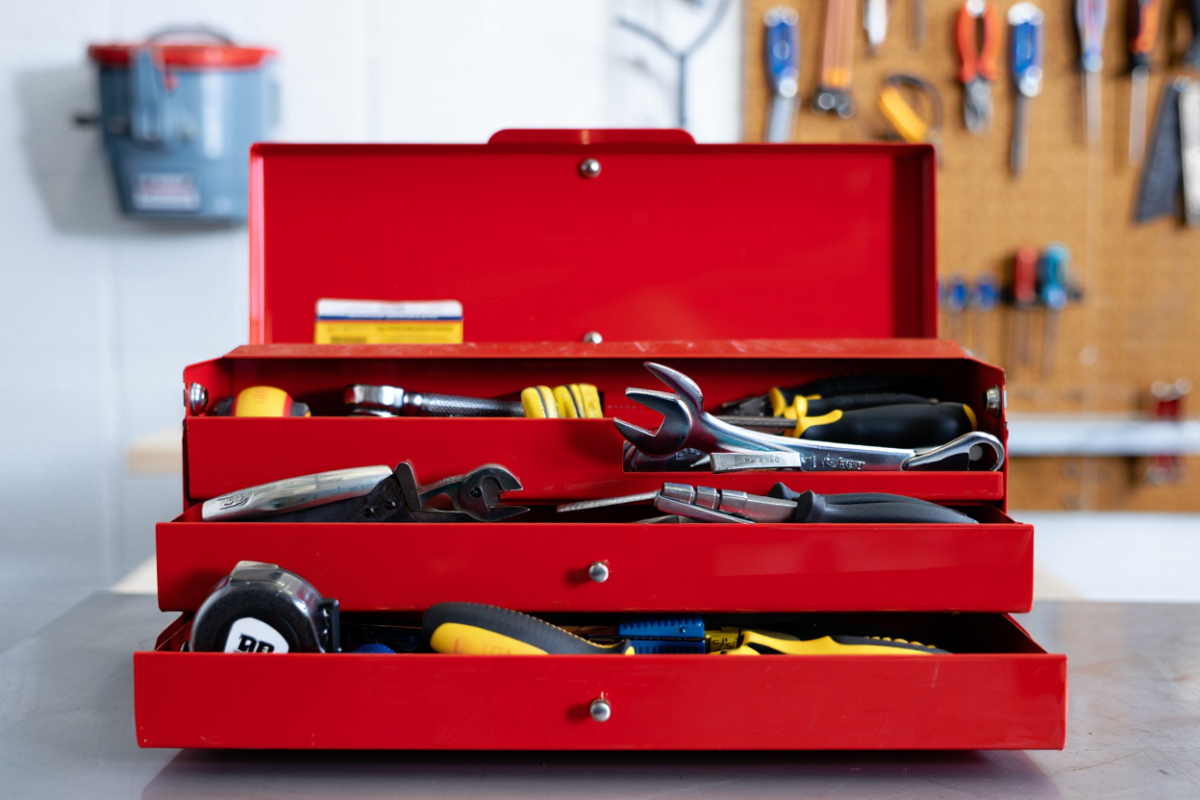
Keeping your tools and equipment organized can transform a cluttered workspace into an efficient, stress-free environment. A well-chosen tool box serves not only as a container but as the cornerstone of organization, safety, and efficiency. As one industry expert notes, “A tool box is more than just a container for tools; it represents order, safety, and efficiency in the workplace.”. In this guide, we’ll explore how using a tool box can streamline your workflow, the different types of tool boxes available, and actionable tips to organize your equipment with confidence.
Using a tool box offers many advantages. For example:
-
Improved Organization: Tools are arranged by function, making them easy to find and return.
-
Enhanced Security: Most tool boxes include locks or latches to keep valuable tools safe.
-
Portability: Models with handles or wheels let you move tools to different job sites or around the garage.
-
Protection: A sturdy tool box shields tools from weather, dirt, and damage.
These benefits add up: in fact, a recent study found that companies using organized tool storage cut the time spent searching for tools by over 30%. In other words, investing in a good tool box can save hours of wasted time and frustration. Below we’ll dive into the details of selecting, using, and maintaining the perfect tool box solution for your needs.
Benefits of Using a Tool Box for Organization
A tool box transforms a jumble of equipment into a tidy system. By keeping each tool in its designated spot, you’ll never waste minutes hunting for a wrench or screwdriver. Organized storage means easier retrieval (you see where everything is) and quick cleanup. Additionally, tool boxes with locking lids or drawers provide an extra layer of security – keeping expensive power tools and hardware safe when you’re away from your bench. This also helps with liability and safety: properly stored tools are less likely to cause accidents or get lost.
Another key advantage is portability. Many tool boxes include handles or wheels. For example, portable tool boxes with wheels and extendable handles allow you to transport heavy tools without strain. Whether you’re moving between job sites or around your home, this mobility saves time and effort.
Example: A mechanic reports cutting repair time by one-third after organizing tools in a rolling tool cabinet. A study even confirmed that businesses with organized tool storage saw 30% less time searching for tools. That extra time can instead be spent on productive work or even heading home earlier each day.
Types of Tool Boxes for Every Need
Tool boxes come in many shapes and sizes to fit different tasks and spaces. Here are common varieties:
-
Portable Tool Boxes: These are compact boxes with a carrying handle. Often made of plastic or lightweight metal, they’re ideal for DIY projects or small home repairs. Plastic models are very light and corrosion-resistant, though less durable than steel.
-
Rolling Tool Cabinets: These larger, heavy-duty chests have built-in wheels or casters. They offer deep drawers and lots of capacity for a serious tool collection. A rolling cabinet lets you bring all your tools to the work area and then roll them back to storage. Many have ball-bearing drawer slides rated for hundreds of pounds.
-
Tool Chests & Stacked Systems: These are stationary boxes that sit on the floor (often under a workbench) or stack on a matching wheeled base. Some come in combo sets – for example, a stackable set might include a small top chest, a deep middle cabinet, and a rolling base. Combo sets give maximum flexibility for garage setups.
-
Truck Tool Boxes: These are specifically designed to mount in a pickup truck bed. Usually made of steel or aluminum, they secure tools on the road. Options include “crossover” boxes that span the truck bed width and low-profile side boxes. Heavy-duty steel truck boxes protect tools from weather and theft, while aluminum ones resist rust.
-
Tool Box Sets: These kits bundle multiple organizers together. For example, Husky’s 5-in-1 set (sold at Home Depot) includes a top organizer, large box, large crate, rolling box, and additional crate. Sets let you grab just the module you need.
Many tool boxes feature multiple drawers and trays. For example, chests often combine wide shallow drawers (great for hand tools) with deeper ones (for power tools). Look for tool box drawers lined with rubber mats or foam to prevent sliding. Some boxes have removable trays or cantilever compartments that spread open for quick access to small parts.
Use the type that fits your workflow: a homeowner might prefer a small portable box or stackable set, while a professional mechanic might choose a full-size rolling chest with dozens of tools. In any case, the goal is the same – efficient, clutter-free tool storage.
Choosing the Right Tool Box
Picking a tool box is about balancing size, durability, mobility, and budget:
-
Size & Capacity: Estimate how many tools you need to store. A small box might only fit basic screwdrivers and wrenches, while a large chest can hold an entire mechanic’s collection. If you plan to expand your tool set, choose a bigger size from the start.
-
Material (Plastic vs. Metal):
-
Steel Tool Boxes are the gold standard for durability and security. Steel resists dents and can handle heavy loads. Most industrial-grade chests are steel. The global market for tool storage shows metal boxes dominate (~61% share) because professionals trust their strength.
-
Plastic Tool Boxes are lighter and won’t rust. They’re great for occasional use or if you must carry your tools long distances. However, plastic can crack under impact or heavy tools.
-
Aluminum is a middle ground – lighter than steel and more durable than plastic. A high-end choice if you want both strength and lighter weight.
-
-
Mobility (Wheels & Handles): If you’ll frequently move the box, look for built-in wheels or an extendable handle. A rolling cabinet or tote with wheels can save your back. Heavy castor wheels with locks provide both mobility and stability.
-
Security (Locks & Latches): Many metal chests come with key locks or padlock hasps. If you’re storing pricey tools, don’t skip a model with a reliable lock. Even on a household budget, a sturdy latch prevents accidental spills.
-
Organization Features: Some boxes offer built-in trays or organizers. For example, sliding trays with compartments let you separate small items (nails, drill bits, etc.). Many tool boxes include removable plastic bins or foamed inserts. Bonus features to watch for: integrated power outlets (USB ports) for charging tools, or pegboard panels in cabinet doors.
Consider also the warranty and brand reputation. Brands like Husky (Home Depot), Craftsman, DeWalt, and Milwaukee often include multi-year warranties on their chests. As one expert notes, Husky’s heavy-duty boxes support up to 220 lbs per drawer, illustrating their build quality. Compare prices and reviews at retailers like Home Depot or Lowe’s – Home Depot’s Husky line and Lowe’s Craftsman/Challenger lines are especially popular for garages.
Finally, remember future growth: you can always supplement a small toolbox with a wall mount, pegboard, or additional boxes later. But an undersized chest can’t magically expand! Assess your space (garage footprint, truck bed width) and tools before deciding.
Organizing Your Tools Inside the Tool Box
A tool box only works if you use it properly. Follow these proven organization tips to get the most out of your storage:
-
Sort and Categorize: Before loading the box, lay out all your tools. Group them by type or task (e.g. all sockets together, all plumbing tools together). This tells you what compartments you’ll need.
-
Assign Drawers/Trays: Put the most-used tools in top drawers or the most accessible trays. Heavier, bulkier items (like power tools or large wrenches) go in the bottom or largest compartment. Reserve one drawer for specialty tools and another for common hand tools.
-
Use Liners and Inserts: Line each drawer with a protective mat or foam. As Lowe’s explains, “tool box drawer liners help protect drawers and hardware”. Foam or rubber liners also keep tools from sliding when you open the drawer. You can even cut foam inserts to snugly fit your tools, preventing rattling.
-
Label Everything: Put a label or colored tape on each drawer or compartment indicating its contents (e.g. “Screwdrivers,” “Sockets,” “Electrical”). Clear labeling speeds up finding and returning items. You can handwrite on masking tape or use a label maker for a cleaner look.
-
Use Dividers and Trays: Consider small plastic bins or removable trays for nuts, screws and bits. For example, a multi-bin organizer inside the box keeps bolts from mixing with washers. Magnetic strips inside the lid or on the walls can hold loose wrenches or drill bits. Many people store long screwdrivers along the inside edges or in special clips.
-
Maintain Vertical Storage: If your box has a tall lid or side panels, add hooks or hangers. For instance, laying socket rails or wrench racks vertically on the lid makes use of all space. In a larger garage, complement your tool box with a pegboard on the wall for frequently used tools.
-
Regularly Clean and Update: Every few months, empty the tool box, wipe out debris, and wipe tools clean before returning them. Discard broken tools or duplicates. This ensures you only keep useful items. A well-organized mechanic’s tool box is said to “save time, prevent tool loss, and keep you safe”.
Organized mechanic’s tool box with socket sets and wrenches neatly arranged. (Image: J.C. Fields, Wikimedia Commons)
By following these steps, your tool box becomes much more than a random collection – it’s a personalized toolbox “command center” for all your jobs. You’ll know exactly where each Allen key or plumbing fitting belongs, so you can grab it and go.
Tool Box Accessories and Enhancements
To further boost organization and accessibility, equip your tool box with smart accessories:
-
Drawer Liners and Foam: As mentioned, these prevent sliding. You can find rubber liners at hardware stores, or die-cut foam sets for popular tool box brands.
-
Organizer Trays: Many companies sell plastic or metal trays that fit standard drawer sizes. These have multiple compartments for screws, nails, and small parts. Some even have adjustable dividers. Using trays means you can lift them out to grab a handful of parts.
-
Magnetic Strips: Strong magnet strips (often adhesive-backed) can affix to the inside of the lid or walls, holding screwdrivers, bits, or metal wrenches in place. They keep small metal tools instantly visible.
-
Pegboard Panels: If your tool chest or workbench has side panels, install a small pegboard or slotted panel. Attach hooks for hammers, pliers, and tape measures. This uses vertical space efficiently.
-
Drawer Organizers: A tool box organizer insert is another option – for example, molded trays specifically sized for sockets or ratchets. Some tool boxes include multi-layer organizing trays that flip or slide out.
-
Portable Parts Bins: Many hardware stores sell stackable portable bins (like tackle boxes) that fit inside larger boxes. These are ideal if you need to take nuts and bolts to a job site.
-
Labeling Supplies: Keep a set of pre-printed labels or a label maker handy. Also consider a small whiteboard on the lid or a pocket for notes like “pump oil needed” to track project info.
-
Power Outlets: Some newer tool boxes and benches have built-in outlets or USB ports. These let you charge cordless drills or phones at the workbench without leaving your tools behind.
Adding these organizational aids turns the inside of your tool box into a highly efficient workspace. It’s like having a custom drawer tailored to your exact needs – which saves time searching and prevents tools from getting lost in the shuffle.
Maintenance and Care
Taking care of your tool box keeps it functional for years. Regular maintenance is simple but important:
-
Clean Often: Wipe the inside and outside of the box to remove dust, metal shavings, and grease. Remove each tool and clean it (or vice versa) whenever possible. As one guide suggests, “cleaning and maintaining tools and the tool box… includes removing damaged tools and applying rust prevention”.
-
Lubricate Moving Parts: Apply a little silicone spray or oil to drawer slides, hinges, and locks to prevent rust and sticking. If any drawer binding occurs, a quick wipe with lubricant will fix it.
-
Protect from Elements: If your tool box is used outdoors or in a damp garage, consider storing it under a roof or covering it. Rain or humidity can cause corrosion. Some people keep silica gel packs in the box to absorb moisture.
-
Inspect Security Features: Check the condition of locks, keys, and latches. If a latch is bent or a lock is malfunctioning, get it fixed – a broken latch means tools could spill out or rust out.
-
Avoid Overloading: Respect the weight ratings. Overfilling a drawer can break it or damage slides. If you outgrow a box, it’s often better to upgrade rather than strain the old one.
-
End-of-Life: Eventually a tool box may become too small or too worn. Instead of throwing it out, look for ways to reuse it. You might repurpose an old metal box as a parts bin, or donate a still-sturdy chest to a community workshop. Many metals are recyclable, so check if your local facility accepts tool boxes.
A little care goes a long way. A well-maintained tool box not only lasts longer but also keeps your tools in better shape, extending their life too. It’s an investment in your tools’ performance and safety.
Where to Buy and Popular Options
Finding the right tool box is easier with the many choices out there. Retailers like Home Depot, Lowe’s, and Amazon carry a wide range. For example, Home Depot offers the Husky brand, whose chests are built of heavy-gauge steel and often feature multiple drawers. Lowe’s offers competitive brands like Craftsman and Stanley. Online marketplaces may have specialized options or stackable modular tool box sets.
Major manufacturers and their notable features include:
-
Husky (Home Depot): Heavy-duty steel cabinets with deep drawers. Many models lock securely and come in combo stacks.
-
Stanley/Craftsman: Often more affordable, with good mid-range plastic or metal boxes. The Stanley FatMax line, for instance, has durable plastic totes, while Craftsman’s lines include large steel chests.
-
Milwaukee/DeWalt/Makita: Geared toward professionals, these brands offer metal tool chests (sometimes with extra features like locking bars or rubberized drawers). They may be pricier but highly durable.
-
Budget Brands: For a home user on a budget, generic brands (e.g. from Harbor Freight) or tool storage combo sets can suffice for basic needs. Just check reviews – a cheap box might save money up front but replace it sooner.
If shopping in-store, measure your space (especially for large tool chests) and consider delivery or pickup costs. Many stores let you test open drawers to check quality. Read online reviews for real-world durability and ease of use. Remember, a higher price often means a longer warranty.
Finally, check for deals: retailers frequently bundle tool box sets with basic tool kits or running special holiday sales. Whether you need a single portable box or a full workshop system, there’s a solution out there.
Conclusion
An organized tool box is the foundation of an efficient work area. By keeping each item in its place, you’ll spend less time searching and more time getting things done. Start by selecting the right box for your tools, then methodically arrange your equipment with liners, labels, and inserts. Regularly maintain your box, and it will serve you for years.
Ready to organize your equipment? Give these strategies a try and experience how a well-managed tool box streamlines every project – whether in the garage, workshop, or on the road. If you found this guide helpful, share it with fellow DIYers or colleagues. And feel free to leave a comment: what’s your favorite tool box organization tip? Your feedback helps everyone improve their workspace!
Frequently Asked Questions
Q: How do I choose the right tool box for my needs?
A: Consider the number and type of tools you have. For many power tools and large collections, a metal rolling tool chest or combination set is best. For a few hand tools or on-the-go jobs, a portable plastic or metal box will do. Check that the box size fits your workspace (garage corner, truck bed, etc.), and look for features like wheels, handles, and locks if needed. Evaluate material (steel for durability vs. plastic for light weight) and drawer count. A simple rule: buy slightly bigger than your current needs if budget allows, to grow into it.
Q: What are the benefits of using a tool box for organization?
A: A tool box centralizes all your equipment in one place, which reduces clutter and loss. It protects tools from dirt and damage, and many boxes can be locked for security. Organization means faster access – you won’t waste time digging through piles. As cited earlier, organized storage has been shown to save hours on projects. In short: safety, efficiency, and convenience are the main benefits.
Q: Can a plastic tool box work as well as a metal one?
A: Plastic tool boxes are a good lightweight option for casual or home use. They resist rust and are often cheaper. However, plastic can crack under impact or heavy loads. Metal (steel or aluminum) boxes are heavier but much tougher – ideal for frequent work or large tools. If you carry the box a lot, plastic might suit you. If you store many heavy tools, metal is safer in the long run.
Q: How should I organize tools inside a tool box?
A: Sort tools by type or task, then designate drawers for each category. Use foam or rubber liners to keep them from shifting. Place labels on drawers or trays. Keep the most-used tools in the top or front. For example, put all screwdrivers in one tray, sockets in another, pliers together, etc. Use dividers or small containers for loose hardware like screws. Regularly return each tool to its spot after use – this habit ensures the box stays organized.
Q: What accessories help organize a tool box?
A: Key accessories include drawer liners, foam insert trays, and partition boxes for small parts. Magnetic holders and peg hooks can be attached inside the lid or sides. Labeling strips or tape help identify drawers. Some users add small zippered pouches for odd-sized items. Even simple hardware-store tool trays (with removable bins) can sit in a larger drawer. The goal is to customize your box so that every tool has its place.
Q: How often should I clean and maintain my tool box?
A: It’s good practice to empty and clean a bit of your tool box every few months. Remove tools, vacuum or wipe out metal shavings and dust, and oil any rusty spots. Check that drawers still glide smoothly and locks latch properly. Doing a quick inventory at cleaning time also lets you find any missing or damaged tools. A clean, well-maintained box not only looks better but also prevents corrosion and prolongs the life of your tools.