
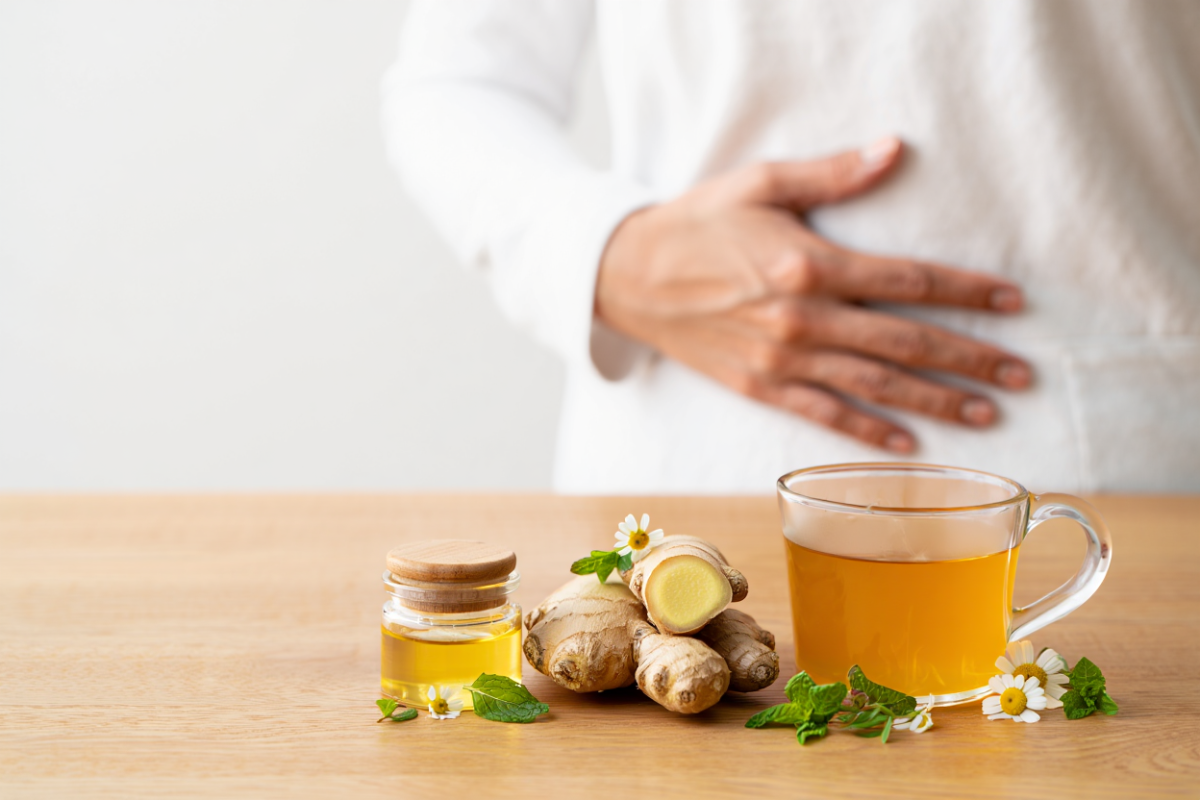
Gastritis is the inflammation of the stomach lining, often caused by factors like H. pylori infection, NSAID use or excess alcohol. It can cause persistent discomfort in the upper stomach. In this comprehensive guide on gastritis symptoms and natural treatments, we explore the most common warning signs, underlying causes, and evidence-backed home remedies. You’ll learn how symptoms may differ between adults and women, what foods to avoid, and when medical diagnosis is needed. By understanding gastritis symptoms early – and how to relieve them – you can manage this condition before it worsens
Figure: Illustration showing a healthy stomach lining (left) versus a stomach with gastritis (right). Common gastritis symptoms include burning upper-abdominal pain, nausea and indigestion
Common Gastritis Symptoms
Gastritis symptoms can vary, and some people have no symptoms at all When they do occur, symptoms often include:
-
Upper abdominal pain or burning: A gnawing, burning ache in the upper belly is classic. This discomfort may become worse or better after eating
-
Nausea and vomiting: Feeling queasy, sometimes followed by vomiting, is common
-
Feeling full quickly: You may feel unusually full or bloated after only a small meal
-
Indigestion and heartburn: Frequent indigestion, heartburn or hiccups can signal stomach lining irritation
-
Loss of appetite or weight loss: Reduced desire to eat and unintended weight loss often accompany chronic gastritis
-
Dark stools or vomiting blood: In severe gastritis (with bleeding), stools may turn black and tarry, or vomit may contain blood. Any sign of bleeding requires immediate medical attention
These symptoms (abdominal pain, nausea, bloating, indigestion) overlap with other stomach issues, so note their pattern. For example, gastritis symptoms after eating can differ: some patients find the pain eases slightly with food, while others feel more discomfort post-meal Keeping a food diary can help identify trigger foods.
Gastritis Symptoms in Adults vs. Women
Most adults experience the above gastritis symptoms similarly, but research shows women may be more prone to gastritis. In fact, one study found women are nearly twice as likely as men to develop gastritis Common symptoms in women include:
-
Stomach pain and nausea: Just like men, women often feel upper-abdominal pain, nausea and sometimes vomiting
-
Bloating and indigestion: Women frequently report stomach bloating and chronic indigestion, even when men report only mild discomfort
-
Loss of appetite and bloating: Feeling full quickly, indigestion or unexplained bloating are noted by many female patients
Women with gastritis may also be more likely to develop related issues like iron-deficiency anemia or autoimmune conditions. While gastritis symptoms in women are fundamentally similar to adults, hormonal factors (e.g. during menopause) can intensify nausea or pain.
Key Point: Gastritis can occur in anyone, but women often report more bloating and indigestion. Always consider gender differences and see a doctor if symptoms persist.
Causes and Risk Factors
Gastritis is usually triggered by factors that injure the protective stomach lining. Common causes and risk factors include:
-
Helicobacter pylori infection: This common stomach bacterium is the leading cause of gastritis worldwide. H. pylori damages the mucous layer, allowing acid to irritate the lining.
-
NSAIDs and painkillers: Regular use of nonsteroidal anti-inflammatory drugs (like aspirin, ibuprofen) can inflame the stomach lining Even over-the-counter aches-and-pains pills can trigger gastritis if overused.
-
Alcohol and tobacco: Excessive alcohol intake and smoking both weaken the stomach’s defenses, increasing irritation. Alcohol can directly irritate mucosa, while smoking reduces bicarbonate production and slows healing.
-
Stress and illness: Severe physical stress (major surgery, trauma, or critical illness) or emotional stress can cause acute gastritis flare-ups. Stress may lead to increased acid production or reduced blood flow to the stomach.
-
Autoimmune disorders: In autoimmune gastritis, the body’s immune system attacks stomach cells. This form is more common in older adults and can lead to chronic gastritis and nutrient malabsorption (e.g. vitamin B12)
-
Other infections or bile reflux: Viral infections and bile reflux (backflow of intestinal juices) are less common causes. Also, any condition that damages the mucous barrier (e.g. Crohn’s disease) increases gastritis risk.
Understanding the cause is important. For example, if H. pylori is found, treating it with antibiotics is key. If NSAIDs are the culprit, stopping the drug often improves symptoms. Otherwise, simply stopping alcohol or controlling stress may prevent gastritis flare-ups.
Diagnosis of Gastritis
Diagnosing gastritis typically involves reviewing symptoms and using specific tests If you have persistent upper stomach pain or unexplained nausea, a doctor may suggest:
-
Medical history & exam: The physician will ask about symptoms, medication use, and lifestyle (alcohol, smoking).
-
Endoscopy: A thin, flexible tube with a camera (endoscope) is inserted through the mouth to directly view the stomach lining Inflamed or red areas can be seen, and biopsies taken if needed.
-
Biopsy: During endoscopy, a tiny tissue sample can be removed and examined under a microscope to confirm gastritis or detect H. pylori bacteria.
-
Blood tests: These check for anemia (common in chronic gastritis) and can detect antibodies (e.g. if autoimmune gastritis is suspected).
-
Stool test: A stool sample may be checked for occult (hidden) blood, indicating bleeding in the stomach or intestines.
No single test defines gastritis in everyone. Often, doctors will try a simple approach first: if symptoms are mild, they may start treatment and see if symptoms improve before doing invasive tests. However, if symptoms are severe or persistent, endoscopy is the gold standard for diagnosis
Gastritis Symptoms vs. Stomach Ulcer
Many patients ask: “Is it gastritis or an ulcer?” The symptoms can be very similar, but the conditions differ:
-
Gastritis is a general inflammation of the stomach lining It tends to cause a more diffuse burning pain or discomfort.
-
Peptic ulcer (gastric ulcer) is an open sore in the stomach lining Ulcers often cause sharp, localized pain (sometimes described as a gnawing or burning that feels intense).
Both conditions share symptoms like upper-abdominal burning, nausea, vomiting, and loss of appetite. However, gastritis symptoms vs ulcer can be distinguished: Ulcers generally cause more severe, persistent pain and a higher risk of bleeding or perforation For example, vomiting that resembles coffee grounds (digested blood) or black tarry stool is more common with ulcers. Gastritis usually causes milder symptoms without open sores.
Tip: If in doubt, medical testing (such as endoscopy) will clarify the difference. Both conditions need treatment, but ulcers often require stronger therapy to heal the sore.
Natural Remedies and Lifestyle Changes for Relief
While medical treatment (antacids, PPIs, antibiotics) is important in some cases, natural treatments can also help relieve gastritis symptoms and promote healing. These home and lifestyle remedies can be safely combined with standard care. Always consult your doctor before starting any new treatment. Key strategies include:
-
Follow an anti-inflammatory diet: Eating foods that reduce inflammation may soothe gastritis. Avoid known triggers (spicy foods, fried foods, processed meats, caffeine and alcohol) Instead, focus on:
-
Fruits and vegetables rich in fiber and antioxidants (broccoli, berries, leafy greens)
-
Lean proteins and whole grains (oats, brown rice) to avoid excess stomach acid.
-
Omega-3–rich foods (like salmon, chia seeds) which have anti-inflammatory effects.
-
Probiotics: Fermented foods (yogurt, kefir, sauerkraut, kimchi) introduce beneficial bacteria that may help curb H. pylori and improve digestion. Probiotic supplements can also be useful.
-
Small, frequent meals: Eating smaller portions more often puts less strain on your stomach. Research shows that large, heavy meals can worsen gastritis So try 5–6 small meals a day instead of 2–3 large ones
-
-
Ginger and herbal teas: Ginger has powerful gastroprotective effects. Studies confirm that ginger (Zingiber officinale) can soothe stomach irritation, reduce nausea, and even help prevent stomach ulcers You can sip ginger tea or add fresh ginger to meals. Peppermint or chamomile tea also calms digestive discomfort and relieves gas. CAUTION: Skip peppermint if you have severe acid reflux.
-
Garlic and herbal extracts: Garlic is known for its antimicrobial properties. It may help target H. pylori bacteria in the stomach. In fact, research suggests garlic extract supplements reduce gastritis symptoms related to H. pylori Other herbs like licorice root (as glycyrrhizinate licorice, DGL) and manuka honey are also used anecdotally to soothe the stomach. (Manuka honey has antibacterial compounds, though it needs more study.) Always dilute or prepare herbs as directed.
-
Aloe vera juice: Aloe vera contains anti-inflammatory compounds. Drinking a small amount of pure aloe juice (not the gel used on skin) can coat the stomach lining and may reduce irritation. One study found aloe vera helped with gastric ulcers. As with any supplement, use it in moderation and consult a doctor.
-
Essential oils: While not to be ingested, diffused essential oils of ginger, peppermint or clove may provide indirect relie. Aromatherapy can reduce nausea and relax the mind – less stress can mean fewer gastritis flare-ups. Remember: never swallow essential oils and always dilute them.
-
Quit smoking and limit alcohol: Both smoking and alcohol irritate the stomach lining. Stopping smoking is one of the most effective ways to allow the stomach to heal. Similarly, reducing or avoiding alcohol and caffeinated beverages can prevent gastritis symptoms from flaring.
-
Manage stress: Chronic stress is a known trigger for gastritis flare-ups. Techniques like meditation, deep breathing, yoga or massage can lower stress hormones and reduce stomach acid production. Even taking short breaks after meals to relax (instead of rushing back to work) can help digestion.
-
Stay hydrated with soothing liquids: Drinking warm, low-acidity fluids helps. Try alkaline water, mild herbal teas, or diluted carrot juice. Avoid carbonated drinks, sodas and citrus juices, which may aggravate the lining.
In summary, gastritis symptoms relief often starts at home. Simple remedies like ginger tea, probiotics or a bland diet (e.g. bananas, oatmeal, yogurt) can significantly ease discomfort. These approaches are generally safe, but they work best as part of a comprehensive plan.
Medical Treatment Options
If symptoms are severe or do not improve, medical therapies may be needed. Common gastritis treatments include
-
Antacids and acid reducers: Over-the-counter antacids (e.g. Tums) neutralize stomach acid for quick relief. H2 blockers (like ranitidine) or proton pump inhibitors (PPIs like omeprazole) reduce acid production, allowing the lining to heal
-
Antibiotics: If H. pylori is identified, a course of antibiotics (often combined with a PPI) is prescribed to eradicate the infection. This often cures gastritis in those cases
-
Protective agents: Medicines like sucralfate can coat the stomach lining, forming a protective barrier over erosions.
-
B12 supplementation: In cases of autoimmune gastritis (where absorption of vitamin B12 is impaired), doctors may give B12 shots or high-dose supplements.
Treatment always targets both symptoms and cause. For example, if NSAIDs caused the gastritis, you must stop taking them. If alcohol is the trigger, abstinence is required. Doctors will tailor therapy based on your specific situation.
Important: Always follow your doctor’s guidance. Natural remedies can help manage gastritis symptoms, but do not replace prescribed treatment, especially if you have ulcers or serious gastritis.
Prevention and Follow-Up
To prevent gastritis from returning: wash hands frequently (to avoid H. pylori infection) avoid trigger foods, limit alcohol, and manage stress. Maintain a healthy weight and avoid long-term NSAID use. With proper treatment, most gastritis cases improve quickly. However, if symptoms persist or you develop warning signs, contact a healthcare provider.
Frequently Asked Questions
Q: What are the most common symptoms of gastritis?
A: Common gastritis symptoms include burning or gnawing pain in the upper abdomen, nausea, vomiting, loss of appetite, and feeling full quickly after eating. You might also experience bloating, hiccups, or heartburn. In mild cases, symptoms can be vague, but persistent upper belly discomfort and indigestion are hallmark signs.
Q: When should I see a doctor for gastritis?
A: If your gastritis symptoms last more than a few days, worsen, or you notice blood in vomit (coffee-ground appearance) or stools (black/tarry), seek medical attention immediately. Also see a doctor if you have severe pain that doesn’t improve with home remedies or if you have chronic vomiting. Prompt diagnosis and treatment can prevent complications like ulcers.
Q: Can gastritis be cured with diet and lifestyle changes?
A: Many people find that diet modifications (eating small, bland meals) and lifestyle changes (quitting smoking, reducing stress) significantly alleviate symptoms. While these natural approaches can manage gastritis symptoms, treating the underlying cause (e.g. taking antibiotics for H. pylori) may still be necessary. Mild acute gastritis often improves with home care, but chronic cases require medical guidance.
Q: How is gastritis diagnosed?
A: Doctors diagnose gastritis by reviewing your symptoms and doing tests. A key test is an upper endoscopy (upper GI), which allows a direct look at the stomach lining During endoscopy, the doctor may take a biopsy to confirm inflammation or infection. Blood tests (for anemia or antibodies) and stool tests (for occult blood) are also used Often, gastritis is suspected based on symptoms and risk factors before tests are done.
Q: What is the difference between gastritis and a peptic ulcer?
A: Both gastritis and ulcers involve stomach inflammation, but ulcers are actual sores in the lining. Gastritis usually causes diffuse stomach irritation, whereas a peptic ulcer causes sharp, localized pain. Symptoms like burning stomach pain, nausea, and indigestion appear in both However, ulcers often lead to more severe pain, bleeding (black stools), and complications. Proper testing (like endoscopy) distinguishes them.
Q: How can I get relief from gastritis symptoms naturally?
A: For natural relief, try herbal teas (ginger or chamomile), probiotic yogurt, and a bland diet of soothing foods (e.g., oatmeal, bananas, non-acidic juices) Eating smaller meals and avoiding trigger foods (spicy, fatty, acidic) also helps Some people find relief with supplements like aloe vera juice or DGL (licorice) tablets, but always discuss with a doctor first. Remember, these methods aim to relieve gastritis symptoms, not replace medical treatment if needed.
Q: Can stress cause gastritis symptoms?
A: Yes. Chronic stress can trigger or worsen gastritis by increasing stomach acid and slowing digestion. Many studies link stress to gastritis flare-ups Stress-reduction techniques (meditation, gentle exercise, adequate sleep) can therefore provide relief. Treating stress often goes hand-in-hand with reducing physical symptoms.
Q: What foods should I avoid if I have gastritis?
A: Avoid foods and drinks that irritate the stomach: this includes alcohol, coffee (caffeine), spicy dishes, fried/fatty foods, and acidic foods (like citrus and tomato products). Also limit dairy if it upsets you. Foods that others tolerate well might hurt your stomach, so pay attention to your body. opt instead for low-acid, high-fiber, and anti-inflammatory foods to ease symptoms
For more information and personal advice, consult your healthcare provider. Have you dealt with gastritis? Share your tips or questions below, and consider sharing this article with others who might benefit. Staying informed and proactive is key to managing gastritis symptoms and improving digestive health.