
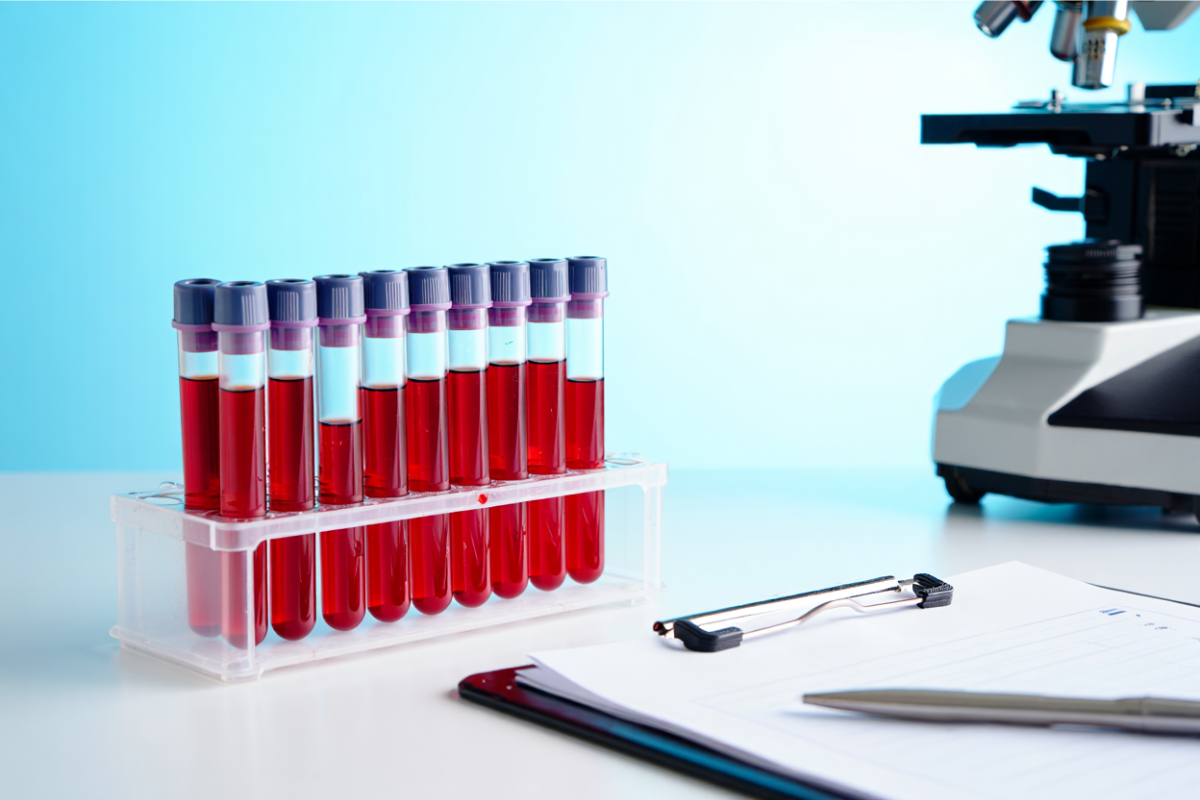
The MCHC blood test is a key part of the complete blood count (CBC) that measures how much hemoglobin (the oxygen-carrying protein) is packed into your red blood cells In other words, it calculates the mean corpuscular hemoglobin concentration (MCHC) – the average concentration of hemoglobin inside each red blood cell By comparing your MCHC results to normal ranges, doctors can detect anemia or other blood disorders and get clues about underlying conditions. This article explains the MCHC blood test meaning, its normal range, how to interpret low or high values, common symptoms, and the test’s purpose.
Microscopic view of red blood cells (RBCs). The MCHC blood test measures the concentration of hemoglobin (red pigment) inside these cells A normal amount of hemoglobin gives RBCs their typical color. An MCHC blood test that is too low suggests “paler” red cells (hypochromia), often seen in iron-deficiency anemia. A very high MCHC can indicate cells that are overly dense in hemoglobin (hyperchromic), as seen in certain rare blood disorders. We’ll cover what causes these changes, what symptoms may arise, and when to talk to your doctor.
What Is the MCHC Blood Test?
The MCHC blood test meaning lies in measuring hemoglobin concentration relative to cell volume. It is one of the red blood cell (RBC) indices in a CBC In practical terms, the MCHC result tells you how much hemoglobin is packed into each RBC. As testing.com explains, “MCHC is a measurement of the average amount of hemoglobin in a single red blood cell (RBC) as it relates to the volume of the cell”
Doctors use MCHC along with other values (like mean corpuscular volume, MCV, and mean corpuscular hemoglobin, MCH) to get the full picture of blood health For example, a low MCHC result means each RBC has less hemoglobin than normal (making the cells look paler under a microscope), while a high MCHC means unusually dense hemoglobin. This information helps narrow down causes of anemia. As testing.com notes, the MCHC test “can be used to diagnose and classify disorders that affect the blood, like anemia”
-
Definition: MCHC (mean corpuscular hemoglobin concentration) measures the average concentration of hemoglobin in red blood cells
-
Context: It is performed as part of a CBC. The test calculates hemoglobin×100 ÷ hematocrit No special patient preparation is needed for an MCHC test – it’s just a routine blood draw as part of a CBC
-
Why It Matters: MCHC reflects the blood’s oxygen-carrying capacity on a per-cell basis. Low or high MCHC results often point to forms of anemia. By itself, MCHC doesn’t diagnose a condition, but it provides clues when combined with other CBC results
Why Doctors Order an MCHC Test (Purpose)
Doctors include the MCHC blood test in a CBC primarily to check for anemia and evaluate red blood cell quality. Key purposes of the MCHC test include:
-
Measuring hemoglobin concentration in red blood cells. It shows if your RBCs carry a normal amount of hemoglobin.
-
Diagnosing and monitoring anemia. A low MCHC often signals iron-deficiency anemia or similar conditions, while the pattern of MCHC (with other indices) helps determine the anemia type.
-
Screening for blood disorders. It helps detect inherited or acquired disorders (e.g. thalassemia, sickle cell disease, or hereditary spherocytosis) that affect hemoglobin levels
-
Assessing overall health. Since hemoglobin is vital for oxygen delivery, abnormal MCHC can indicate nutritional deficiencies (like B12 or folate) or chronic diseases that impair blood production.
-
Monitoring treatment. Doctors use MCHC to track response to therapies (iron supplements, B12 shots, transfusions) in patients with anemia
In short, the MCHC test gives valuable information about red blood cell health and is an important tool in routine exams. As Drlogy summarizes, “the MCHC blood test is a useful tool in diagnosing and monitoring various medical conditions and can provide important information about a person’s overall health and well-being”
Normal Range for MCHC
The normal range for MCHC in adults is roughly 32 to 36 grams per deciliter (g/dL) Most laboratories use values around 32–36 g/dL as the reference range for healthy adults (Some sources cite 33–36 or 31.5–35.5 g/dL, but these differences are minor.) It’s normal for reference ranges to vary slightly by lab and population
If your MCHC result falls within the normal range, it means each of your red blood cells has a typical hemoglobin concentration. However, a normal MCHC does not guarantee absence of anemia – you must also look at hemoglobin level, hematocrit, MCV, and other CBC values to confirm your blood is healthy Conversely, an MCHC below or above the normal range should prompt further evaluation. We cover the implications of low and high MCHC below.
Low MCHC (Hypochromia): Causes and Symptoms
A low MCHC result (below about 32 g/dL) is called hypochromia. It means your RBCs contain less hemoglobin than normal, making them appear paler under the microscope. The most common cause is iron-deficiency anemia, since hemoglobin production requires iron. Without enough iron, your body makes smaller, less-pigmented red cells. Other causes include:
-
Thalassemia. These inherited disorders cause abnormal hemoglobin synthesis, leading to low MCHC
-
Chronic diseases. Inflammatory conditions (like chronic infections or autoimmune disorders) can block iron use and lower MCHC Lead poisoning. Lead exposure interferes with enzymes in hemoglobin production, causing hypochromic anemia
-
Blood loss. Chronic bleeding (from ulcers, heavy menstruation, etc.) can deplete iron stores, eventually lowering MCHC.
Symptoms of low MCHC (anemia): As red cells carry less oxygen, people often feel fatigued, weak, and short of breath. You may also notice pale skin and gums, lightheadedness, rapid heartbeat, or difficulty exercising. In severe cases, chronic anemia can lead to headaches, chest pain, or impaired concentration. However, mild low MCHC sometimes causes no obvious symptoms, and is only found on routine testing
Key points: Low MCHC (hypochromic anemia) most often indicates iron deficiency. The doctor may check iron, ferritin, and B12 levels to confirm. Treatment typically involves iron supplements, diet changes, or treating underlying disease
High MCHC (Hyperchromia): Causes and Symptoms
A high MCHC (above ~36 g/dL) is called hyperchromia. It’s less common than low MCHC. High MCHC usually means red blood cells are abnormally concentrated with hemoglobin, often due to cell membrane defects or hemolysis. Common causes include:
-
Hereditary spherocytosis. A genetic disorder where RBCs are sphere-shaped and lose membrane, making cells densely packed with hemoglobin Autoimmune hemolytic anemia. Certain immune conditions (like lupus) cause red cells to clump or be destroyed, raising measured MCHC
-
Sickle cell disease. The abnormal sickle cells can falsely elevate MCHC readings.
-
Vitamin B12 or folate deficiency. In some cases, severe megaloblastic anemia can raise MCHC
-
Lab artifacts. Very high cholesterol or inherited factors can sometimes cause spurious high MCHC results.
Symptoms of high MCHC: These are generally symptoms of hemolytic anemia (since high MCHC often reflects hemolysis). You may experience fatigue and weakness, but also jaundice (yellow skin/eyes) and an enlarged spleen due to increased red cell breakdown Sometimes there are few symptoms until complications arise.
Because high MCHC is unusual, doctors usually repeat the test or run additional tests (like a blood smear) if results are very high. It may require specialized treatment (e.g. folate supplements, avoiding cold exposure in cold agglutinin disease, or even surgery for severe spherocytosis). Always discuss unusually high MCHC values with a healthcare provider.
Interpreting Your MCHC Results
The meaning of an MCHC result depends on its context. Here are some general interpretations:
-
Low MCHC (<32 g/dL): Suggests hypochromic anemia. Iron deficiency is most likely. Further tests may include iron studies and a blood smear. Symptoms like fatigue and weakness often prompt treatment (iron supplements or diet changes)Normal MCHC (≈32–36 g/dL): Red blood cells have normal hemoglobin concentration. However, anemia can still exist (a person may have low hemoglobin or hematocrit). If other CBC values indicate anemia with normal MCHC, it is called normochromic anemia (e.g. acute blood loss or chronic disease)
-
High MCHC (>36 g/dL): Indicates hyperchromic anemia. Common causes are hereditary spherocytosis or autoimmune hemolysis. Your doctor may check for jaundice, run tests for spherocytes on a smear, or look for autoimmune markers
Doctors never interpret MCHC alone. They consider it alongside other RBC indices:
-
MCV (mean corpuscular volume): size of RBC. Low MCV + low MCHC typically means iron-deficiency microcytic anemia. Normal MCV + low MCHC often means anemia of chronic disease.
-
MCH (mean corpuscular hemoglobin): the average hemoglobin amount per cell. MCHC and MCH together can confirm whether cells are truly hypochromic or if a lab error occurred.
As one source notes, “MCHC is generally not interpreted separately from other blood values… To be meaningful, it must be compared with RBC indices collectively” Your healthcare provider will use all these values (along with symptoms and additional tests like vitamin levels or a blood smear) to diagnose any condition.
When to Talk to Your Doctor
Routine CBCs including MCHC are common during physical exams or when symptoms like fatigue appear. If you get an MCHC result outside the normal range, you should discuss it with your doctor. Follow-up may include:
-
Repeating the blood test. Occasional lab errors happen, so a second test can confirm abnormal values.
-
Additional blood tests. These may include iron studies (serum iron, ferritin, TIBC), vitamin B12 and folate levels, hemolysis labs (LDH, bilirubin), or a peripheral smear examination
-
Evaluating symptoms. Mention any signs like fatigue, pale skin, jaundice, or unusual bleeding to your doctor. These can guide interpretation of MCHC results.
-
Lifestyle and diet review. Low MCHC due to iron deficiency often calls for dietary changes (e.g. more red meat, beans, dark leafy greens) and supplements If B12/folate is low, nutrition or supplementation may be advised.
Call to action: If you have concerns about your MCHC or CBC results, make an appointment with a healthcare provider. Bring a copy of your lab report and discuss any symptoms you’re experiencing. Early diagnosis of anemia or blood disorders can greatly improve management and outcomes.
Frequently Asked Questions
What is a normal MCHC blood test range?
A normal MCHC is typically about 32–36 g/dL for adults. Children’s normal ranges may be similar or slightly higher (around 32–36 g/dL) Ranges can vary slightly by lab. Values within this range are usually considered healthy.
What does a low MCHC blood test indicate?
A low MCHC means hypochromia, where red blood cells have less hemoglobin than normal. It often indicates iron-deficiency anemia or other microcytic anemias Common causes include iron-poor diet, chronic blood loss, or thalassemia. Symptoms may include fatigue, weakness, pale skin, and shortness of breath
What does a high MCHC blood test indicate?
A high MCHC suggests hyperchromic cells – unusually hemoglobin-dense RBCs. This can occur with hereditary spherocytosis or hemolytic anemia. Other causes include autoimmune red cell destruction or certain chronic conditions. High MCHC may be accompanied by jaundice and spleen enlargement
What is the purpose of the MCHC blood test?
The MCHC test measures hemoglobin concentration in red blood cells. Doctors use it to detect and classify anemia and other blood disorders It helps determine whether your red cells carry enough hemoglobin and guides further testing (e.g. for iron or vitamin levels).
What symptoms are associated with abnormal MCHC?
Since MCHC abnormalities are often a sign of anemia, symptoms are those of anemia. These include tiredness, weakness, pale skin, rapid heartbeat, and shortness of breath. Very low MCHC can cause severe fatigue. High MCHC (hemolytic conditions) may also cause jaundice (yellow eyes/skin) and spleen swelling
How should I prepare for an MCHC blood test?
No special preparation or fasting is needed for an MCHC test It is done as part of a routine blood draw (CBC). Just drink water and continue medications unless advised otherwise by your provider.
Conclusion
The MCHC blood test is a simple yet informative measure of how much hemoglobin your red blood cells carry. A result within the normal range (≈32–36 g/dL) generally indicates healthy RBCs, while low or high values can flag different types of anemia or blood disorders. Understanding your MCHC helps in interpreting your overall CBC and guiding further tests. If your results are outside the normal range, discussing them with your healthcare provider can help diagnose any underlying conditions early. Keeping track of MCHC (along with other CBC values) is one step in maintaining good blood health and overall well-being.
Was this article helpful? Share it with friends or family who care about their health, and feel free to comment below with your experiences or questions about blood tests!