
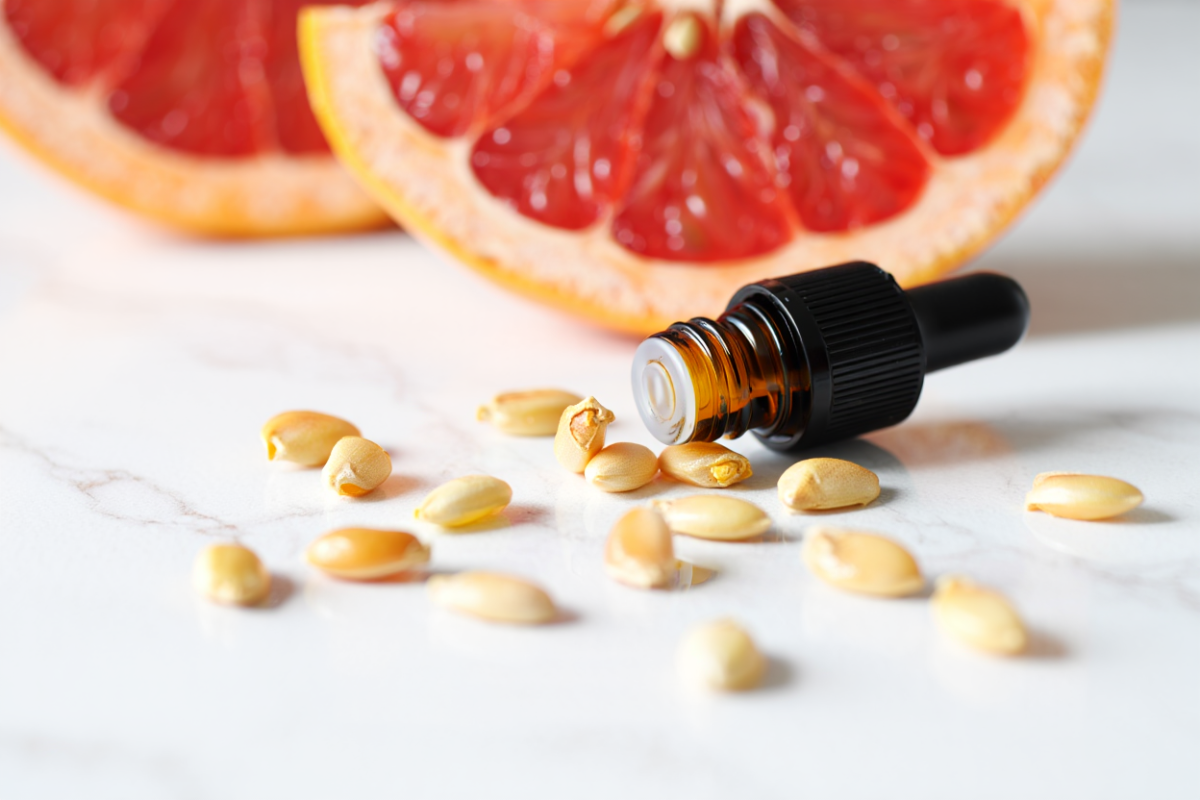
Fresh grapefruit halves represent grapefruit seed extract, a natural source of vitamin C and antioxidants supporting immune health. Grapefruit seed extract (GSE) is a liquid supplement derived from the seeds, pulp, and membranes of grapefruit. It’s promoted as a natural remedy with antibacterial, antiviral and anti-inflammatory properties. Many people use grapefruit seed extract for immune support and as a general health tonic. Early lab studies show GSE can inhibit various microbes, but experts caution that human evidence is sparse. In fact, a review notes that “there is little research to support any of the health claims” about GSE. This article explores grapefruit seed extract benefits, uses, dosage recommendations, and potential side effects, citing the latest research and expert advice.
What Is Grapefruit Seed Extract?
GSE is produced by crushing grapefruit seeds (and often pulp) and extracting their juices into a concentrated liquid. Manufacturers claim this extract is loaded with vitamin C, bioflavonoids (like naringin and quercetin), and antioxidants that fight pathogens. A Very well Health review explains that GSE is sold for “numerous conditions,” but notes its supposed benefits remain unproven. In practice, many commercial GSE products have been found adulterated with preservatives (e.g. benze thonium chloride) that account for the antibacterial activity. In short, grapefruit seed extract should not be confused with pure grapefruit seed oil or dietary grapefruit; it’s a processed supplement with mixed evidence.
Potential Benefits and Uses of Grapefruit Seed Extract
Many claims exist about grapefruit seed extract benefits, often based on lab or animal studies. Here are key uses and effects attributed to GSE:
-
Antimicrobial Protection: GSE shows broad activity against bacteria (including MRSA), fungi, and viruses in laboratory tests. Researchers found GSE inhibited methicillin-resistant Staph. aureus and other multidrug-resistant bacteria even at low concentrations. This suggests grapefruit seed extract could help combat infections when used topically or in cleaning solutions.
-
Antifungal Effects (Candida): Studies indicate GSE can kill or inhibit Candida albicans (yeast) and prevent its biofilms. For example, solutions containing 0.1–1% GSE nearly eliminated Candida biofilms on dental resin without damaging the material. This supports traditional uses of GSE in thrush and candida cleanses. Many natural health practitioners recommend grapefruit seed extract for candida (yeast) infections, leveraging its antifungal properties.
-
Antioxidant & Vitamin Support: Grapefruit seed extract contains vitamin C and flavonoids that act as antioxidants. These compounds neutralize free radicals, reduce oxidative stress, and support immune cell function. As Harvard Health notes, “Vitamin C plays a key role in supporting the immune system” by protecting cells and enhancing natural defenses
-
. In practice, GSE’s vitamin C content and bioflavonoids can help support immune health and skin health (collagen synthesis).
-
Digestive & Gut Health: By controlling harmful microbes, GSE may benefit the gut microbiome. Some evidence (mostly animal or small human trials) suggests GSE can ease gut imbalances like irritable bowel syndrome (IBS) symptoms. In one small trial, IBS patients taking grapefruit seed extract noted reduced bloating and gas. The antibacterial effect might restore microbial balance when gut flora is disrupted.
-
Skin and Topical Uses: Thanks to its antiseptic profile, GSE is used for skincare. Anecdotal reports and alternative medicine sources claim it can help clear acne, athlete’s foot, warts, and minor skin infections by killing bacteria and fungi. While rigorous trials are lacking, some naturopathic guides list grapefruit seed extract as a natural antibacterial/antifungal for skin condition. Cosmetic products and washes sometimes include GSE for its preservative and antimicrobial action.
Many grapefruit seed extract reviews by users praise these benefits, especially for “internal cleansing” or topical disinfection. However, scientific consensus is not established: experts emphasize that most positive reports are anecdotal, and well-designed human studies are still needed. For example, “existing studies are preliminary,” and no clinical trials have proven GSE cures any disease. Always balance enthusiasm with research-backed info.
Grapefruit Seed Extract Uses in Detail
Antimicrobial Properties
GSE’s strongest evidence is its antibacterial and antiviral action. Laboratory tests show grapefruit seed extract can inhibit a range of pathogens including E. coli, Salmonella, and antibiotic-resistant staph. One study cited by Verywell found GSE stops growth of Clostridioides difficile (a gut pathogen) in mic. Although promising, these effects were in vitro or in animals – we lack proof in people. Some naturopaths use GSE as a natural “antibiotic” mouthwash or hand-cleanser. However, caution is needed: many GSE supplements contain hidden antimicrobial chemicals, so their kill effects may not come from grapefruit at all.
Antifungal and Candida Treatment
GSE is often touted for fighting fungal infections. As mentioned, a 2019 study found that denture cleansers with 0.1–1% GSE completely eliminated C. albicans biofilms. This suggests grapefruit seed extract is “fungicidal” against candida in a lab setting. Some people use diluted GSE solutions as vaginal douches or oral rinses for yeast infections. While lab data is encouraging, human trials are lacking, so grapefruit seed extract for candida should be used cautiously and as a supplement to (not replacement for) medical treatments.
Immune System Support
GSE’s immune-support claims rest on its antioxidant content and indirect effects. The vitamin C and flavonoids in grapefruit seed extract can bolster immunity by protecting immune cells from damage and aiding antibody production. In theory, reducing oxidative stress helps the body fight infection. However, GSE has no magic “immune-boost” effect beyond these nutrients. It’s essentially providing nutrients (like vitamin C) that normal grapefruit has. Because vitamin C is “essential for immune function”, supplements like GSE may help people who lack fruits in their diet. Yet taking extra GSE on top of a healthy diet probably offers limited extra benefit; direct vitamin C supplementation is well-supported and may be simpler.
Skin Health and Topical Use
Topically, grapefruit seed extract is sometimes applied to the skin for acne, warts, or fungal rashes. Practitioners claim GSE “builds an army of good bacteria” by killing harmful microbes. Some small studies suggest a diluted GSE rinse might help skin infections, but quality research is minimal. One review notes GSE’s antifungal effects, implying it might help athlete’s foot or nail fungus when used carefully. Anecdotal reports and product formulations support “grapefruit seed extract for skin” uses, but again, ensure products are pure (many so-called GSE creams contain preservatives). Always do a patch test: grapefruit extract can irritate sensitive skin.
Other Uses (Mouth, Food, Biofilms)
Beyond personal health, GSE is used as a natural preservative and disinfectant. Some food producers add it to packaging to inhibit bacterial growth. In oral care, a few believe GSE gargles can fight gum disease and dental plaque. Its ability to disrupt microbial biofilms (as seen in the denture study) suggests uses in cleaning surfaces or medical equipment. These uses are emerging, but should be considered experimental.
Dosing and Usage Tips
No official dosing guidelines exist for grapefruit seed extrac. Research is too limited to say exactly how much GSE to take. Supplement labels vary widely. As a rough guide, many products recommend 100–250 mg of GSE one to four times daily. Some sources suggest starting at the low end (e.g. 100 mg once or twice a day) and increasing as needed. GSE is available in various forms: liquid drops, capsules, tablets, and even toothpastes or washes.
-
Choosing a product: Look for “pure” grapefruit seed extract or Citricidal™. Check that no synthetic biocides (like benzethonium chloride) are added. Ideally choose a brand with third-party testing.
-
How to take it: For internal use, GSE liquid can be dropped into water or juice. Capsules are convenient and avoid the bitter taste. GSE tinctures are also sold for oral or topical use. Follow label instructions. For topical use, dilute as directed (some use a drop or two in a carrier oil or water to cleanse skin).
-
Combining with other remedies: GSE is often combined with probiotics or antifungal supplements in candida diets. Some practitioners use it with N-acetylcysteine as a “biofilm buster” combination (though evidence is anecdotal).
Safety, Side Effects, and Precautions
Grapefruit seed extract is generally considered safe for most adults in recommended amounts. However, there are important cautions:
-
Medication interactions: Like grapefruit fruit, GSE can affect liver enzymes (cytochrome P450) and alter drug levels. Known interactions include blood thinners, antihypertensives, statins, birth control pills, and immunosuppressants. If you take prescription meds, consult a healthcare provider before using GSE.
-
Allergies and Sensitivities: If you have a citrus allergy, avoid grapefruit seed extract. Some people may experience allergic reactions or skin rashes. Digestive upset (nausea, diarrhea) is possible if GSE is taken on an empty stomach or in high doses. Start with a low dose to gauge tolerance.
-
Product Quality: A major issue is adulteration. Many commercial GSE products contain added antimicrobials (like benzethonium chloride or triclosan) not listed on the label. These could cause side effects and confuse the true effects of GSE. To reduce risk, choose reputable brands that disclose their ingredients and ideally have independent testing.
-
Lack of Pregnancy/Nursing Data: There are no studies on GSE use during pregnancy or breastfeeding. Most experts advise against it if you are pregnant, nursing, or giving it to children.
-
General caution: Because “existing studies are preliminary”, rely on mainstream treatments first if you have infections. GSE should supplement—not replace—medical care.
Key Takeaways:
-
Grapefruit seed extract offers broad antimicrobial and antioxidant compounds. It may help fight infections and boost immune function.
-
No standard dosage is established; supplement labels typically suggest 100–250 mg 1–4 times daily.
-
Side effects can include mild GI upset, skin irritation, and drug interactions. Choose high-quality products to avoid adulterants.
-
While many user reviews praise GSE’s effects for “candida cleanse” or skin, scientific evidence is limited. Always consult a doctor before use.
Conclusion
Grapefruit seed extract is a popular natural immune support supplement with a long history of use as an antimicrobial agent. It contains immune-supporting nutrients like vitamin C and powerful plant compounds. Laboratory studies show it can kill bacteria and fungi, which explains its traditional uses for infections, skin conditions, and candida. However, medical experts stress that human research is lacking. It’s not a proven cure for any disease, and some commercial products are of dubious quality. If you do try GSE, look for a reputable brand, use the product as directed, and watch for any side effects.
Ultimately, grapefruit seed extract may support immune health as part of a balanced diet, but it should complement – not replace – evidence-based treatments. As always, talk to your healthcare provider, especially if you take other medications. If you find this information useful, please share this article and comment with your own experiences.
Frequently Asked Questions (FAQs)
Q: What are the main grapefruit seed extract benefits?
A: Advocates claim grapefruit seed extract benefits include broad antimicrobial effects (killing bacteria and fungi) and antioxidant immune support. It is believed to fight infections, improve digestive balance, and enhance skin health. Some studies show GSE can inhibit pathogens like MRSA and Candida albicans in the lab. It also contains vitamin C and flavonoids that support the immune system. However, strong clinical evidence is still lacking, so consider these benefits as possible and complementary to proven therapies.
Q: How do you use grapefruit seed extract for infections?
A: For minor infections, people often dilute GSE in water as a topical rinse or gargle, or use it as a mouthwash or suppository (for yeast infections). Some take it orally: drops (e.g. 10–15 drops in water) or capsules (100–250 mg) 1–4 times per day. Always follow product instructions. Because formulations vary, read labels carefully. Use GSE only as a supplement – not as a sole treatment for serious infections.
Q: Does grapefruit seed extract really boost the immune system?
A: Grapefruit seed extract itself is not a magic immunity booster, but it contains nutrients (like vitamin C) and antioxidants that are known to support immune function It may help by reducing oxidative stress and killing harmful microbes, potentially taking some burden off your immune system. However, the best way to boost immunity is a healthy diet, exercise, and proven supplements (like vitamin C or probiotics). GSE may be a helpful adjunct for some people.
Q: What is the recommended grapefruit seed extract dosage?
A: There is no standardized dose for GSE. Common recommendations range from 100 to 250 mg taken once to four times per day. For liquid drops, a typical dose is 10–30 drops in water 1–2 times daily. Always start with a low dose to test tolerance. Consult a healthcare provider for personalized advice, especially if using GSE long-term or for specific health concerns.
Q: Are there any grapefruit seed extract side effects?
A: Side effects are generally mild. Some users report stomach upset, nausea, or diarrhea, especially with high doses. Topically, undiluted GSE can irritate the skin or mucous membranes. The biggest concern is drug interactions: GSE (like grapefruit juice) can affect liver enzymes and interfere with medications Allergic reactions are possible if you are sensitive to citrus. Always check with a doctor before starting GSE if you take other medications or have health conditions.
Q: Can grapefruit seed extract treat candida or yeast infections?
A: GSE has strong in vitro antifungal activity against Candida albicans, so it is often used in natural protocols for yeast infections. Some users find relief by using diluted GSE orally or topically for candida. While lab studies support its antifungal effects, clinical proof is limited. If you have a candida infection, GSE can be one part of a treatment plan (alongside diet changes, probiotics, etc.), but it should not replace antifungal medications prescribed by a doctor.
Q: How should I use grapefruit seed extract on my skin?
A: For skin issues, GSE can be diluted in water or carrier oil and applied to the affected area. Some people add a few drops to cleansers or make a diluted spray (e.g. 10 drops in 1/2 cup water). It’s used for acne, fungal rashes, or toenail fungus. Because it’s potent, start with a very dilute solution and do a patch test first. If irritation occurs, discontinue use. Do not ingest grape seed extract meant for skin care.
Q: What do reviews say about grapefruit seed extract?
A: User reviews on health forums and retail sites are mixed. Many praise GSE as a “natural antibiotic”, reporting fewer colds or clearer skin. Others say it had no noticeable effect. Some reviewers note upset stomach or bad taste as downsides. Remember that individual results vary and reviews are anecdotal. Always look for products with good ratings and transparent ingredient lists.