
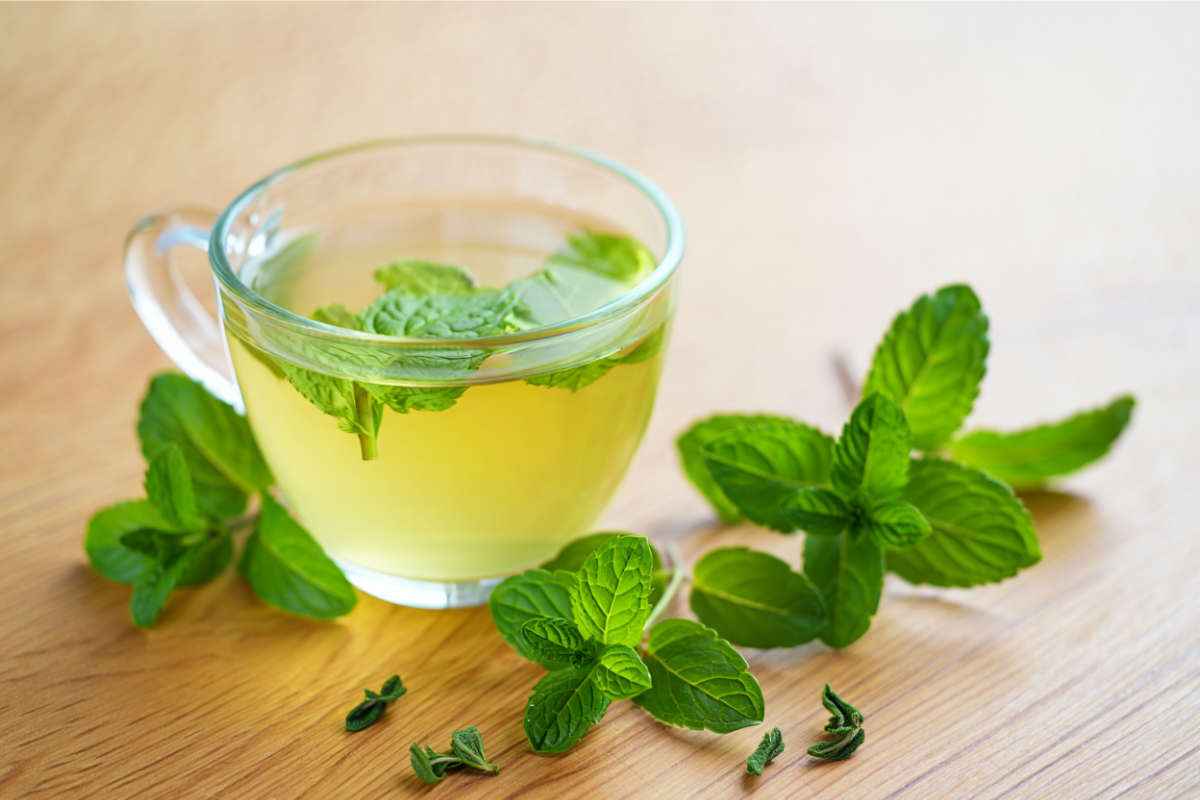
Spearmint tea is a soothing herbal drink made from Mentha spicata leaves. Rich in antioxidants and minty flavor, this caffeine-free tea is prized for balancing hormones, especially in women with PCOS or hormonal acne. In fact, research shows that drinking spearmint tea regularly can lower male hormones (androgens) and boost female hormones, helping to restore a healthy hormone cycle In this comprehensive guide, we’ll explore the many spearmint tea benefits—from hormone regulation and acne relief to digestive aid and weight management—while also covering how to make it and potential side effects.
Image: Spearmint-based hormonal balance herbal tea (Mentha spicata). Spearmint tea blends often combine mint leaves with other herbs to promote endocrine health. For example, one study found that women who drank spearmint tea twice daily for five days had significantly lower testosterone and higher luteinizing hormone (LH) and follicle-stimulating hormone (FSH) levels. This anti-androgenic effect can improve menstrual regularity, ovulation, and fertility. In practice, simply sipping spearmint tea (about 3–4 cups a day) can help many women see hormone improvements within days to weeks
Spearmint’s minty taste comes from compounds like carvone and menthol, which relax muscles (aiding digestion) and open airways (clearing sinuses). The leaves are high in antioxidants—flavonoids and rosmarinic acid—that fight inflammation. Think of spearmint tea as a multi-benefit herbal tonic: it hydrates, calms stress, and also addresses internal hormone issues. Let’s break down the top benefits of spearmint tea and how it promotes hormone balance.
Hormonal Benefits of Spearmint Tea
Spearmint tea’s most studied advantage is its hormone-regulating effect in women. In polycystic ovary syndrome (PCOS) and other conditions, excess male hormones (testosterone and DHT) cause symptoms like irregular periods, acne, and hirsutism. Spearmint tea acts as an anti-androgen, which means it lowers testosterone levels. In multiple trials of women with PCOS or hirsutism, drinking 2–4 cups of spearmint tea daily led to significant drops in free testosterone and increases in female hormones. For instance, a Cleveland Clinic summary reports that PCOS patients who had spearmint tea twice daily for one month showed lower testosterone and higher LH/FSH. Another study found improvements in as little as five days
-
Balances androgens and estrogens. A Healthline review notes that spearmint can decrease male hormones like testosterone while raising hormones needed for ovulation (LH, FSH, estradiol). By shifting this balance, spearmint tea helps normalize the menstrual cycle and may improve fertility.
-
Supports PCOS management. Because PCOS involves androgen excess, spearmint tea can ease its core issue. “Multiple studies have shown that spearmint tea can benefit women who have a hormonal imbalance due to PCOS,” notes a Cleveland Clinic dietitian. Lowering testosterone through spearmint may reduce PCOS symptoms like acne and irregular periods, giving a gentle boost to endocrine health.
-
Promotes ovulation and fertility. In women trying to conceive, better hormonal balance means a more predictable cycle. By increasing LH/FSH, spearmint tea promotes ovulation Some users report more regular periods after adding spearmint tea to their routine, although individual results vary.
-
Reduces androgenic symptoms (hirsutism, acne). Since high testosterone often causes unwanted facial/body hair and oily skin, spearmint tea’s androgen-reducing action can help. In a study of women with PCOS, those who drank spearmint tea twice daily for a month reported less facial hair after treatment. Similarly, many women notice fewer acne breakouts when androgens are lowered.
Spearmint Tea for Acne and Skin Health
Hormonal acne and dull skin can improve when hormone levels are balanced. Spearmint tea helps in two ways: by lowering acne-driving hormones and by offering anti-inflammatory antioxidants. Dermatologists note that spearmint’s anti-androgenic effect can specifically target hormonal acne. Research suggests that women with PCOS-related breakouts who drank spearmint tea saw clearer skin over time. This happens because reducing testosterone also decreases sebum production, a major factor in acne.
-
Anti-androgenic action fights acne. As Verywell Health explains, spearmint tea’s ability to lower androgens may make it an effective natural acne remedy, especially for hormonal acne. By reducing the male hormones that clog pores, regular spearmint tea can lead to fewer pimples and blackheads.
-
Anti-inflammatory and antimicrobial effects. Spearmint contains compounds that soothe inflammation and kill skin bacteria. Verywell notes its anti-inflammatory, antibacterial, and antioxidant properties, which can calm irritated skin and prevent new blemishes. Drinking spearmint tea (or using it topically in diluted form) can help reduce redness and swelling.
-
Improves skin tone and texture. Thanks to antioxidants like rosmarinic acid, spearmint tea fights oxidative stress that ages skin. Regular consumption delivers these antioxidants throughout the body, potentially improving skin health. Some people report a brighter complexion and reduced scarring after weeks of spearmint tea use.
-
Hydration alternative. Subbing spearmint tea for sugary beverages adds hydration without calories or caffeine. Staying well-hydrated flushes toxins from the skin and supports overall glow. Health experts suggest that adding this tasty, hydrating drink to your diet (especially iced in summer) can also help clear skin
Spearmint Tea for PCOS and Hormonal Balance
For readers specifically interested in PCOS, spearmint tea is often highlighted as a safe, natural adjunct therapy. By balancing male and female hormones, it addresses one of PCOS’s root causes Registered dietitians note that combining spearmint tea with other healthy habits (diet, exercise, medication if needed) can further improve outcomes. Here are key PCOS-related benefits:
-
Lowers free testosterone. Multiple trials show that 2–3 cups of spearmint tea a day can significantly reduce free testosterone in women with PCOS. This makes symptoms like acne, hair loss, and hirsutism less severe.
-
Raises key fertility hormones. Spearmint tea has been linked to increases in LH and FSH. These hormones are crucial for releasing eggs. Improved levels may regulate ovulation, making menstrual cycles more predictable.
-
Eases insulin resistance and weight control (indirect). While evidence for spearmint’s direct effect on insulin is limited, balancing hormones can improve insulin sensitivity. Teas in general have been shown to support metabolism and weight management in PCOS. Spearmint tea’s low calorie content means it can replace sweetened drinks, helping weight control efforts. Maintaining a healthy weight is often recommended for PCOS management.
-
Improves digestive health. Bloating and digestive discomfort are common in PCOS. Spearmint tea helps relax stomach muscles and reduce gas. Its calming effect on the gut can ease bloating, which indirectly supports hormone health by reducing stress on the body’s systems.
-
Enhances mood and stress reduction. PCOS can be stressful. Spearmint tea contains rosmarinic acid, which some studies suggest may lower stress and promote relaxation. A calm stress response helps keep cortisol in check, which in turn benefits hormone balance.
Spearmint Tea and Weight Management
Many people wonder if spearmint tea can aid weight loss. Direct studies on spearmint tea for weight loss are scarce. However, some insights include:
-
Metabolism boost by association. Green tea is well-known for boosting metabolism and aiding weight loss. Spearmint tea, being a type of mint tea, may offer milder metabolic effects. While not proven, it is reasonable to swap higher-calorie beverages for spearmint tea. The extra hydration and possible metabolism boost can help weight management.
-
Reduces cravings and promotes satiety. Some tea drinkers find warm herbal teas reduce appetite. Spearmint’s refreshing taste may satisfy oral cravings (like mint gum). By curbing snacking and sweet consumption, spearmint tea could indirectly support weight control.
-
Hydrating substitute. As an unsweetened, caffeine-free drink, spearmint tea can safely replace sugary sodas or coffees. Reducing added sugars is a key factor in weight management. Encouraging water or herbal tea instead of high-calorie drinks is a win-win for hydration and calories.
It’s important to note that no herbal tea alone causes major weight loss. Weight management relies on diet and exercise. Use spearmint tea as a healthy drink choice, not a magic solution. Still, its role in reducing bloating and balancing insulin-related hormones (via overall PCOS improvement) can make weight goals easier to reach.
Other Spearmint Tea Benefits
Beyond hormones, spearmint tea offers several general health perks that add value:
-
Rich in Antioxidants: Spearmint tea is high in flavonoids and rosmarinic acid. These antioxidants protect cells from free-radical damage. Regular antioxidant intake is linked to lower risk of chronic diseases (heart disease, diabetes) and healthier aging.
-
Soothes Digestion: Like peppermint, spearmint relaxes digestive tract muscles. It can relieve indigestion, gas, and bloating. Studies show spearmint compounds may help ease upset stomach and IBS symptoms. After a heavy meal, a cup of spearmint tea can support digestion.
-
Relieves Stress and Promotes Sleep: Spearmint has a mild calming effect. Traditional use in South America includes using spearmint tea as a nighttime relaxant. Menthol in the mint may help relax nerves. Having a warm cup before bed can reduce anxiety and improve sleep quality.
-
Improves Memory and Brain Health: Some research suggests spearmint extract (and by extension tea) may enhance memory and concentration. One study saw a 15% improvement in working memory in adults given spearmint extract While more human studies are needed, the antioxidants in spearmint are believed to protect brain neurons.
-
Joint and Muscle Pain Relief: Spearmint’s anti-inflammatory properties (from rosmarinic acid) may ease arthritis and joint pain. A 16-week study on osteoarthritis patients found daily spearmint tea reduced knee pain and stiffness. While not a cure, it can complement other therapies.
-
Immune Support: The menthol and antimicrobial compounds in spearmint can help fight minor infections. Spearmint has shown activity against E. coli and other pathogens when combined with herbs. Drinking spearmint tea may modestly boost immunity, similar to other herbal teas.
How to Make Spearmint Tea
Making spearmint tea at home is simple and lets you control potency:
-
Boil Fresh Water: Heat 1–2 cups of water to just below boiling (about 200°F). You want it hot but not roaring boil.
-
Add Spearmint Leaves: Use about 1–2 teaspoons of dried spearmint leaves (or 1 tea bag) per cup. You can also use fresh mint leaves if available (a small handful).
-
Steep: Pour the hot water over the mint leaves. Cover and let it steep for 5–7 minutes For a milder tea, 3–5 minutes is fine (as in one guide).
-
Strain and Serve: Strain out the leaves and pour the tea into a cup.
-
Optional Additions: Add a squeeze of lemon or a spoonful of honey for flavor. Fresh ginger or lemon balm mix well with spearmint for extra health benefits. You can also chill the brewed tea and serve it iced in summer.
For iced spearmint tea, brew double strength (use more leaves) and cool it completely before pouring over ice Homemade spearmint tea contains no caffeine and no added sugar, making it a healthy beverage.
Pro Tip: Store dried spearmint leaves in an airtight jar. Fresh mint grows easily from cuttings in a pot, so you can have a year-round supply.
Spearmint Tea Side Effects and Precautions
Spearmint tea is safe for most people when consumed in moderation (2–4 cups daily). However, as with any herb, too much can cause issues. Known side effects and cautions include:
-
Digestive upset: Some individuals may experience mild heartburn or stomach upset from spearmint tea, especially on an empty stomach. While one study found no effect on acid reflux, sensitive people should moderate intake.
-
Allergies: Although rare, people allergic to mint plants might have allergic reactions (skin rash, breathing issues) if they handle fresh mint leaves. Drinking tea rarely causes allergy, but discontinue use if you feel reactions.
-
Low Blood Sugar: Spearmint can lower blood sugar modestly. Diabetics or those on blood sugar medications should monitor levels, as blood sugar could drop.
-
Drowsiness or Sedation: Spearmint may cause mild drowsiness. The Verywell Health guide notes that very large amounts of spearmint tea “could increase the risk of health complications such as excessive drowsiness”. If you take sedative medications (like sleep aids or anxiety meds), be cautious: spearmint can add to their effect
-
Kidney/Liver Concerns: High amounts of spearmint tea may stress the kidneys or liver. Both RxList and Verywell warn that large doses “might increase kidney damage” or “liver damage” in susceptible individuals. People with existing kidney or liver disease should consult a doctor before drinking spearmint tea regularly.
-
Pregnancy & Breastfeeding: Spearmint is considered possibly unsafe in pregnancy when consumed in medicinal amount. Excessive mint tea might affect the uterus. Pregnant or nursing mothers should avoid drinking spearmint tea in large quantities. Small culinary amounts (like one cup) are typically fine, but discuss with your healthcare provider if concerned.
-
Acid Reflux: In people with gastroesophageal reflux, mint tea (peppermint especially) can sometimes worsen symptoms. Prevention’s experts list acid reflux sufferers among those who should avoid large amounts of spearmint tea Use caution if you notice heartburn or indigestion after mint teas.
In summary: Spearmint tea side effects are uncommon at moderate doses. As Verywell advises, “when used in recommended amounts, spearmint tea is safe for most people”. Always start with one cup a day, see how your body reacts, and adjust as needed. Avoid overuse, and consult a doctor if you have underlying health conditions or take medications (especially for blood pressure, blood sugar, or sedation).
FAQs about Spearmint Tea and Hormones
Q: Can spearmint tea really balance hormones?
A: Yes. Research indicates spearmint tea has anti-androgenic properties. Drinking spearmint tea twice daily has been shown to lower testosterone and raise female hormones (LH, FSH) in women. This hormone balancing effect can lead to more regular menstrual cycles and fewer androgenic symptoms (acne, facial hair).
Q: How many cups of spearmint tea should I drink for PCOS?
A: Most studies use 2–4 cups per day. For example, trials often had women drink two cups of spearmint tea twice a day (4 cups total). Cleveland Clinic experts mention using 3–4 tea bags daily for benefit. Start with 1–2 cups per day and gradually increase. Always monitor how you feel, and discuss with a doctor to tailor it to your needs.
Q: What does spearmint tea do for weight loss?
A: Spearmint tea itself is not a weight loss miracle. However, swapping high-calorie drinks for unsweetened spearmint tea cuts calories. Teas, in general, can mildly support metabolism. The real benefit is indirect: by reducing bloating and improving insulin sensitivity, spearmint tea may complement a healthy diet and exercise for weight management.
Q: How do I prepare spearmint tea at home?
A: Making spearmint tea is easy. Boil water and steep 1–2 teaspoons of dried spearmint leaves (or 1 tea bag) per cup of water for about 5–7 minutes. Strain and drink warm, or let it cool and serve over ice. You can add lemon or honey for extra flavor. Follow the steps listed above for hot or iced spearmint tea.
Q: Are there any side effects of spearmint tea I should worry about?
A: Spearmint tea is safe for most people. Rare side effects include mild digestive upset or drowsiness if consumed in very large amounts. Those with kidney/liver issues or who are pregnant should avoid excessive intake. Start with one cup daily and watch for any unusual symptoms. If you have a medical condition or take medications, consult your doctor first.
Q: Can men drink spearmint tea for hormones?
A: While studies focus on women, men can drink spearmint tea without harm. However, because spearmint may lower testosterone, men should use it sparingly if they are concerned about hormonal levels. Occasional drinking (1–2 cups) is generally fine, but men should not rely on it for hormone issues.
Q: How soon will I see results in hormone balance?
A: Some women notice improvements in a few days; others take weeks. One study saw hormone changes after just 5 days. Most participants showed clear benefits after 4–6 weeks of consistent use. Hormone balance depends on your starting levels, so be patient and consistent.
Conclusion
Spearmint tea is a natural, affordable way to support hormonal health and overall well-being. Its anti-androgenic properties make it particularly useful for women with PCOS, hormonal acne, or irregular cycles. Additionally, the tea’s antioxidants, digestive benefits, and calming effects offer broader health perks. By drinking spearmint tea regularly (2–4 cups a day), many people report clearer skin, fewer menstrual irregularities, reduced bloating, and improved mood.
Always brew spearmint tea properly and enjoy it as part of a balanced lifestyle. Like any remedy, it works best alongside healthy diet and habits. If you decide to try spearmint tea, prepare it as described above and observe how your body responds. We encourage readers to share their experiences: have you tried spearmint tea for hormones, PCOS, or skin issues? Leave a comment below and let us know your story. Don’t forget to share this guide on social media to help others discover the hormone-balancing power of spearmint tea!