
Taurine is a unique amino acid (technically a “semi-essential” amino acid) that our bodies produce and also obtain from foods (especially meat and seafood). It has important functions in the heart, brain and immune system. In fact, research has found that taurine benefits extend to maintaining nerve growth, balancing electrolytes (hydration), and producing bile salts for digestion. As science uncovers more, we’re learning that taurine’s roles may significantly affect cardiovascular health and cognitive function. In this comprehensive guide we dive deep into taurine’s many health benefits—focusing especially on heart and brain—and explain how to get taurine from diet or supplements while following best practices.
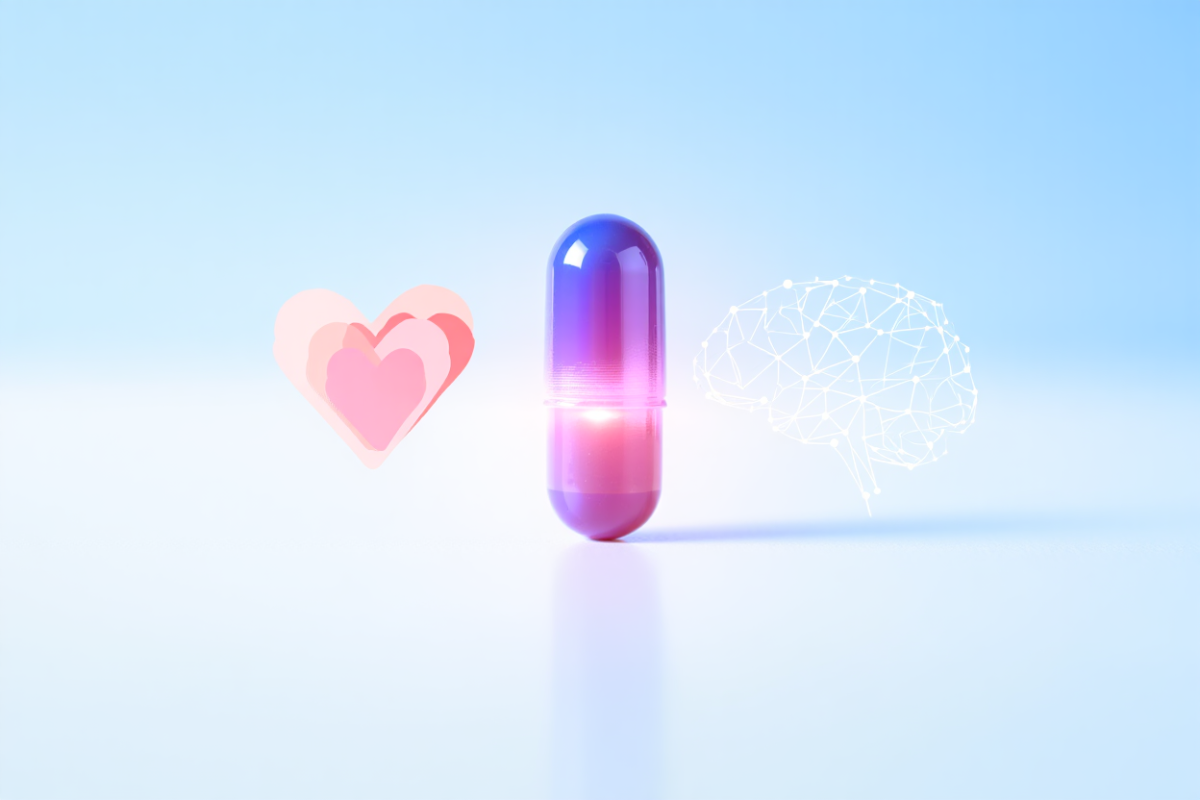
Figure: Half-brain, half-heart conceptual illustration. Taurine impacts both brain and heart health, from neurotransmitter balance to cardiovascular function
Taurine’s dual actions can be seen in both the brain and heart. For example, this amino acid acts as a neuromodulator in the brain (supporting nerve growth and protecting neurons) and at the same time helps regulate blood pressure and heart muscle function Studies show taurine can help improve blood pressure regulation and heart pump function while also protecting the brain against age-related changes and neurological stress In other words, the overlapping mechanisms mean taurine benefits are key for whole-body wellness – promoting healthy heart rhythms and clear mental function alike. Below, we’ll explore these benefits in detail: how taurine works, its effects on heart health, brain health and other areas, plus top food sources, supplements, and FAQs.
What is Taurine? Background and Sources
Taurine is technically not one of the nine “essential” amino acids, because adults can usually make some on their own. However, it is conditionally essential in certain situations (e.g. illness, stress, in infants). Taurine (2-aminoethanesulfonic acid) is found in high levels in muscle, heart, retina (eye), and the brain. Although our bodies synthesize taurine from other amino acids, most of it comes from the diet: animal-based protein like meat, fish, seafood and dairy are the richest sources (Plant foods generally contain little to no taurine.) For example, seafood such as salmon and shellfish and lean meats provide good taurine intake Vegans/vegetarians typically have lower taurine levels simply because plants don’t supply much Even so, deficiency is extremely rare in healthy adults, since the body can adapt production. (Infants rely on taurine in breast milk because they can’t make it yet.)
If your diet is low in taurine or if you drink certain energy drinks, you can also get supplemental taurine. Energy drinks typically contain ~500–1000 mg of synthetic taurine per serving (though many other ingredients make measuring effects difficult). Synthetic taurine (made from other amino acids) is bioidentical to natural taurine and safe for vegetarians/vegans. In general, you obtain 50–200 mg of taurine per day from a typical diet, but careful meal planning (or supplements) can increase that significantly
Taurine Benefits for Heart Health
Taurine is best known for its potential cardiovascular benefits. A wealth of research (animal studies and clinical trials) suggests taurine benefits for heart health by lowering blood pressure, improving heart function, and reducing cholestero In a large review published in 2023, scientists concluded that taurine has “beneficial cardiovascular effects, including blood pressure regulation, improved cardiac fitness, and enhanced vascular health”. Similarly, a 2024 meta-analysis found taurine supplementation significantly reduced systolic blood pressure (by ~4 mmHg on average) and diastolic pressure in study participants. These changes are meaningful: even small reductions in blood pressure can lower heart disease risk.
-
Lowers Blood Pressure: Taurine helps dilate blood vessels and modulate the renin-angiotensin system, which can decrease vascular resistance. In one 12-week trial, 1.6 g/day of taurine cut systolic blood pressure by 7.2 mmHg and diastolic by 4.7 mmHg compared to placebo. Meta-analyses confirm that taurine consistently produces modest BP-lowering effects.
-
Improves Heart Function: Taurine appears to improve cardiac muscle performance. For example, in patients with heart failure who took 500 mg taurine three times daily, researchers observed significant drops in cholesterol, triglycerides and inflammation marker (CRP) and echocardiograms often show better pumping strength (higher ejection fraction) after taurine use. The Nutrition Journal review found taurine significantly raised left ventricular ejection fraction (LVEF) in heart failure patients, meaning stronger heart contractions
-
Reduces Cholesterol and Triglycerides: In the same heart-failure study, taurine led to lower total cholesterol and triglyceride levels. Animal studies also show taurine can speed up cholesterol breakdown in the liver and promote its excretion, which helps prevent fatty plaques. Over time, this could slow atherosclerosis (hardening of arteries).
-
Antioxidant & Anti-Inflammatory: Taurine is a mild antioxidant. It neutralizes toxic byproducts and reduces inflammation in blood vessels. This protects the endothelium (vessel lining) and may help prevent heart disease. Some studies even suggest very high taurine intake could prevent heart disease onset, though more human trials are needed.
In short, people at risk for hypertension or heart disease may find taurine especially beneficial. One recent review summarized: “taurine showed noteworthy effects in preventing hypertension and enhancing cardiac function”. To maximize taurine’s heart benefits, combining it with a healthy diet (DASH or Mediterranean) and exercise is ideal.
Taurine Benefits for Brain Health
Just as taurine supports the heart, it also has crucial roles in the brain and nervous system In the brain, taurine acts like a neuromodulator and osmolyte (regulating cell hydration and electrolytes). It helps maintain healthy calcium levels in neurons and has calming effects on overexcited brain cells. Because of these effects, research suggests taurine benefits for brain health include neuroprotection, cognitive function, and mood stabilization.
-
Neuroprotection & Cognitive Support: Taurine is highly concentrated in brain tissue, where it helps protect neurons from oxidative stress and injury. Nonhuman studies show taurine can protect the aging brain and reduce risk of neurological issues. For instance, animal models of stroke or neurodegeneration often perform better when given taurine. One review noted taurine “effectively protects against a number of neurological disorders, including stroke, epilepsy, cerebral ischemia, memory dysfunction…”. This suggests taurine might help preserve memory and cognitive functions. Some early research even links higher taurine levels with better mental performance.
-
Mood and Anxiety Regulation: Taurine influences GABA receptors in the brain, which are associated with calmness. In practical terms, this means taurine can have mild anxiolytic (anti-anxiety) effects. Clinically, taurine has been used to help control the nervous system and treat anxiety and seizures. While human trials are still limited, animal studies show taurine can reduce stress-related behaviors and improve memory under chronic stress. This contributes to overall brain health and mental well-being.
-
Vision and Hearing: Taurine is also abundant in the retina and ear. It may help prevent retinal degeneration and support eye health, as well as protect inner ear hair cells from damage. Good vision and hearing are part of brain sensory function.
-
Inflammation Reduction: The brain is vulnerable to inflammation. Taurine’s anti-inflammatory properties may help quell neuroinflammation, which is implicated in diseases like Alzheimer’s or Parkinson’s. By dampening inflammatory cytokines, taurine may slow neurodegenerative processes over time. Research highlights that taurine “may offer neuroprotective effects” by reducing brain inflammation
In summary, taurine benefits for the brain encompass supporting learning/memory pathways, protecting neurons, and stabilizing mood. Adding taurine (through foods or supplements) might help keep your mind sharp and resilient against stress and aging.
Taurine Benefits for Energy and Athletic Performance
Because taurine is abundant in muscle tissue, it also plays a role in exercise and stamina. Many athletes use taurine supplements, and the evidence suggests some benefit: taurine helps improve energy efficiency and muscle performance.
-
Enhances Muscle Performance: Taurine helps control calcium flow in muscle cells, which boosts strength and endurance. Studies show taking taurine before workouts can increase oxygen use, delay fatigue, and reduce muscle damage. In a review of 19 trials, users gained benefits like increased time to exhaustion, faster recovery, and improved strength. For example, one study found that taking 1–3 grams of taurine ~1 hour before exercise led to more power output during training.
-
Reduces Fatigue and Damage: By stabilizing cell membranes and acting as an antioxidant in muscle, taurine can lessen exercise-induced stress. Athletes often report feeling less sore and tired after adding taurine to their regimen. Clinical data indicates a modest but consistent reduction in lactate build-up and an increase in glucose availability to muscles.
-
Fat Metabolism: Interestingly, taurine may also help the body burn fat during exercise. While not a magic bullet, it can contribute to energy metabolism.
-
Caffeine Alternative: Some people use taurine as a “clean” energy boost (without caffeine). Unlike caffeine, taurine doesn’t spike adrenaline — instead it supports cells’ energy use. Thus, in energy drinks, taurine is paired with caffeine, but its standalone effect is simply to support hydration and muscle work.
Overall, taurine supplement benefits for energy are more subtle than stimulant-like. It’s better viewed as a performance support—helping you go a little longer, recover a bit faster, and maintain energy. The typical effective dose is 1–3 g before exercise, and long-term studies show small but positive improvements.
Taurine Benefits for Liver and Metabolism
Taurine also plays a key role in the liver and digestive system. It’s used to form bile salts, which are necessary for digesting fats. By aiding fat digestion and cholesterol breakdown, taurine can improve overall metabolism. In fact, the Cleveland Clinic notes that one of taurine’s “known benefits” is helping the liver form bile acids to break down fatty acids like triglycerides and cholesterol
Some research shows taurine can protect liver cells from toxins and oxidative damage, potentially helping prevent fatty liver disease. A few animal studies even found taurine supplementation can help treat liver injury or inflammation. While human data is still limited, these findings suggest taurine benefits for liver health include supporting normal fat metabolism and protecting liver cells. If you consume alcohol or have metabolic syndrome, adequate taurine may help the liver cope.
Taurine Benefits for Skin and Cellular Hydration
You might not expect an amino acid to affect your skin, but taurine’s hydration role is important. Taurine helps cells balance their electrolytes and water content. In fact, Cleveland Clinic notes that taurine maintains “proper hydration” at the cellular level, especially in skin and hair cells. This means taurine can help skin stay plump and hydrated, possibly improving skin elasticity and appearance.
Additionally, as an antioxidant, taurine may combat oxidative stress in skin (from UV light or pollution). Some skincare formulas even include taurine (or related compounds) to protect against wrinkles or dryness. While evidence is emerging, taurine benefits for skin likely derive from its ability to keep skin cells healthy and reduce inflammation. In the hair, taurine has also been used to support growth (since hair follicles use taurine).
Taurine Benefits for Men and Women
Taurine’s effects are valuable for everyone, but it may have some gender-specific highlights:
-
For Men: Taurine’s support of heart and muscle is especially relevant for men, who are at higher risk of cardiovascular disease and often pursue athletic performance. Adding taurine can help lower blood pressure and improve workout recovery. Some studies show male athletes report improved strength and endurance with taurine supplementation. (Plus, many energy drinks market to men with taurine-charged formulas, though drinks should be used cautiously.)
-
For Women: Women have unique interactions with taurine. Taurine is plentiful in breast milk, reflecting its importance for infant development Recent research found that circulating taurine levels actually increase with age in women, unlike men. This suggests women may rely on taurine for healthy aging. Taurine’s liver-support and blood pressure benefits also help women, especially as risks of metabolic syndrome rise after menopause.
Importantly, both men and women’s bodies normally produce enough taurine unless under stress or illness. Still, some evidence hints at sex differences: for example, the rate of converting taurine to bile acids may differ between genders. Overall, taurine benefits for men and women broadly overlap (heart, brain, muscle), but the needs may vary with age, diet and health status.
Taurine Supplements: Benefits, Dosage and Safety
Given all these potential benefits, many people ask: should I take taurine supplements? The short answer is that most healthy adults probably get enough from diet or make enough on their own However, supplementation can be helpful for certain goals (e.g. blood pressure support, athletic performance) or when diet is lacking (vegan diets, disease).
-
Supplement Benefits: Taking 500–3000 mg of taurine per day is generally safe and can boost intake. Studies indicate doses up to 6 grams daily are well-tolerated When taken as a supplement, taurine may amplify the benefits listed above (e.g. lower BP, better recovery, reduced anxiety). For example, trials in people with high blood pressure or heart failure often use 1–3 grams per day and show improvements
-
Form: Supplements typically contain synthetic taurine in powder or capsule form. It’s vegan-friendly and free of allergens. No special absorption issues have been identified. Some products combine taurine with magnesium, vitamin B6 or other nutrients to support heart health.
-
Safety: Taurine is very safe when used appropriately. Clinical evidence and reviews (EFSA, etc.) suggest up to 3–6 grams per day has no known harmful effects. Rarely, some people report minor GI upset, headache or nausea at high doses but it’s unclear if taurine or another ingredient (e.g. in energy drinks) caused it.
-
Interactions: Taurine may interact with medications that rely on cytochrome P450 enzymes (like certain anti-seizure drugs, blood thinners, statins). This is typically only a concern at high supplemental doses. Still, anyone on prescription meds should consult a doctor before starting taurine.
In summary, taurine supplement benefits can be achieved with moderate dosing. Most people see effects at 1–3 g/day (often taken once or twice daily). It’s wise to start at a lower dose (e.g. 500 mg) and work up if needed. Because taurine is conditionally essential, older adults or those with chronic illnesses (heart failure, liver/kidney disease) may benefit more from a supplement
Taurine-Rich Foods and Natural Sources
The best way to harness taurine benefits is through diet. Here are top taurine-rich foods:
-
Seafood: Shellfish (scallops, mussels), tuna, salmon, and shrimp are among the highest. For example, 3 oz of cooked scallops can have several hundred mg of taurine.
-
Meat: Dark poultry (turkey, chicken dark meat), beef, lamb and pork all contain taurine. Organ meats (liver) are especially rich.
-
Dairy and Eggs: Milk, cheese and eggs have moderate amounts. They are decent sources, especially for non-meat-eaters.
-
Breast milk: (For infants) is naturally high in taurine, reflecting its role in development. (Infant formula is often supplemented with taurine.)
Plants generally lack taurine (except for trace amounts in some seaweeds). Therefore, vegetarians and vegans often have lower taurine levels If you follow a plant-based diet, consider eating more taurine-fortified foods or taking a supplement to match intake.
Figure: Salmon fillet – an example of a taurine-rich food (fish and meat are top natural sources of taurine). A balanced diet with fish, lean meats and dairy easily provides daily taurine needs.
In practice, just eating a variety of protein foods covers most needs. For example, a serving of tuna (≈3 oz) provides around 50-90 mg of taurine. An omnivorous diet typically supplies 100–400 mg of taurine daily, which is adequate for normal function. Athletes or those seeking extra benefit can add taurine-rich foods (like additional seafood) or choose a supplement to raise levels closer to the gram-range studied in trials.
Frequently Asked Questions (FAQs)
-
Q: What are the main benefits of taurine?
A: Taurine benefits include supporting heart health (lowering blood pressure and improving heart muscle function), protecting the brain (enhancing cognitive function and reducing neural stress), aiding digestion (forming bile acids), and improving exercise performance (reducing fatigue). It also acts as an antioxidant and electrolyte balancer, contributing to skin hydration and muscle recovery. -
Q: How does taurine help the heart?
A: Taurine helps the heart by regulating blood pressure and supporting heart muscle function. Clinical studies show taurine can relax blood vessels and decrease total peripheral resistance. It also improves lipid profiles and reduces inflammation, which protects against atherosclerosis. Meta-analyses confirm taurine supplementation lowers systolic and diastolic blood pressure and increases ejection fraction -
Q: Can taurine improve brain health or mood?
A: Yes, taurine acts in the brain to stabilize neurotransmission and protect neurons. It may improve cognitive function and reduce anxiety in some cases Animal studies show taurine can protect against stroke and memory deficits Clinically, taurine has been used to help control anxiety and seizure disorders Overall, it promotes a calm, balanced brain state. -
Q: How much taurine should I take?
A: Typical supplemental doses range from 500 mg up to 3,000 mg (1–3 grams) per day. Health authorities consider up to 3–6 g/day safe. Many studies on heart and performance use about 1–2 g/day. Start low (e.g. 500 mg) and increase gradually, watching for any stomach upset. If you’re healthy and eating protein, you might not need any supplement. If you have high blood pressure, diabetes, or are an athlete, adding a 1–2 g taurine supplement could provide additional benefits -
Q: What foods contain a lot of taurine?
A: The richest foods are animal-based: seafood (especially shellfish, salmon, tuna), dark poultry meat, beef and lamb, and dairy products contain high levels. For example, 3 oz of cooked oyster or scallops can contain over 100 mg of taurine. Eggs and dairy have moderate amounts. Plant foods have virtually none, so vegetarians rely on eggs or supplements for taurine -
Q: Are there any side effects of taurine?
A: Taurine is generally very safe when taken in reasonable amounts. Research shows no major side effects up to 3 g/day. Very high intakes (6+ g/day) are also considered safe by experts. Some people have reported minor issues like headache or nausea, but it’s unclear if taurine or other ingredients in a supplement/energy drink caused them. Taurine can interact with certain medications (like antiepileptics or blood thinners) because it affects liver enzymes, so consult a doctor if you’re on prescription drugs.
Conclusion
In summary, the taurine benefits go far beyond what most people realize. This versatile amino acid supports heart health, helping to lower blood pressure and improve circulation. It protects and nurtures the brain, aiding memory, mood and neurological resilience. Additionally, taurine helps with digestion (via bile salts), physical performance (delaying fatigue), and cellular hydration (improving skin and muscle health). Getting enough taurine — through a balanced diet rich in protein and possibly supplements when needed — can be a simple way to boost both cardiovascular and cognitive wellness.
Have you tried adding taurine-rich foods or a taurine supplement to your routine? Share your experience in the comments below! If you found this guide helpful, please share it on social media to spread the word about these heart and brain health benefits.